Two very different botanicals share the spotlight as December birth flowers: holly and narcissus. One is bold and evergreen, the other is soft and fragrant. Together, they match the season perfectly, festive on the outside and hopeful at heart.
If you are choosing a birthday bouquet, planning winter event flowers, or just want a meaningful arrangement, knowing what each one stands for makes the gift feel personal.
Meet the Two Official December Birth Flowers
Unlike most months with one signature bloom, December has two. It gives us a resilient evergreen shrub alongside a delicate, fragrant winter bulb. That contrast is the point, and it creates a rich mix of meaning for anyone born at the end of the year.
Here is a quick look at how these two winter favorites compare.
December Birth Flowers at a Glance
Feature
Holly
Narcissus (Paperwhite)
Type
Evergreen shrub
Bulb flower
Primary symbolism
Protection, joy, optimism
Hope, renewal, respect
Color palette
Deep green, bright red
Crisp white, soft yellow
Best for
Holiday decor, seasonal accents
Elegant bouquets, birthday gifting
Overall vibe
Festive and protective
Hopeful and calm
Each brings a different energy, but they work well together. One sets the mood, the other sets the message.
A Tale of Two Botanicals
Think of holly and narcissus as telling the full story of December. Holly, with glossy leaves and red berries, speaks to the outward celebration. It is cheerful, spirited, and full of tradition.
Paperwhite narcissus leans inward. It fits the quieter parts of the season, when people look back on the year and start to look ahead. Together, these December birth flowers balance celebration with fresh-start energy.
If you are curious what else looks great in winter arrangements, our guide to flowers in season can help you choose supporting stems that feel right for the date and the mood.
Holly: The Evergreen Symbol of Protection and Joy
When people picture December, holly is often the first thing they see. Those deep green leaves and bright berries are tied to winter traditions around the world.
Even though holly is technically a shrub, not a bloom, it is still one of the December birth flowers because of its long history and strong meaning. In designs, it adds structure, shine, and that unmistakable holiday feel.
An Ancient Symbol of Protection
Holly has been used for centuries as a symbol of safety and good fortune. During Roman Saturnalia celebrations in mid-December, people exchanged holly as a sign of goodwill. Many believed it helped protect the home.
Celtic traditions also treated holly as a sacred plant. Bringing it indoors was thought to invite luck and shelter helpful spirits through the darkest part of the year.
Interpreting Holly’s Meanings
Holly symbolism is easy to understand because each part of the plant tells its own story.
Spiky leaves: Often linked to protection and strong boundaries.
Red berries: A pop of life and cheer in winter.
Evergreen color: A sign of endurance and steady optimism.
Holly fits many December personalities: steady, loyal, and protective, with a bright sense of joy that shows up when others need it most.
Holly is also a major player in seasonal greenery sales in the U.S., and it shows up in a huge share of classic holiday displays. For more on the pairing of holly and paperwhite narcissus as December birth flowers, the overview on thursd.com is a helpful reference.
Selecting Holly for Modern Floral Design
Not all holly has the same look. Some varieties have sharper leaves, and others have smoother foliage or heavier berry clusters. Designers often choose holly for the finish it brings, glossy leaves, clean lines, and sturdy stems that hold up well in arrangements.
At Fiore, holly is usually used as a framing element. It can make a birthday bouquet feel seasonal without looking like a wreath, and it gives winter centerpieces a strong base that reads well from across a room.
Narcissus: The Fragrant Herald of New Beginnings
Holly brings the party. Narcissus brings the fresh start.
Narcissus, especially paperwhites, are known for star-shaped blooms and a strong, sweet scent. They have a softer message than holly, tied to hope, respect, and renewal.
The Meaning Behind Narcissus
The narcissus story goes back to Greek mythology, where the flower is linked to self-reflection. Over time, its meaning has shifted into something kinder and more useful for gifting. Today, it often symbolizes awareness, self-love, and new beginnings.
Paperwhites are also popular because they can bloom indoors during winter. That simple fact, flowers appearing when the world feels quiet, is why they are so often tied to hope.
A Symbol of Hope and Renewal
Giving paperwhites for a December birthday can feel like giving a clean slate. It is a way to honor the end of one year and the start of another, without needing to say much.
Narcissus is a reminder that winter does not last forever. For a December-born person, it can represent calm confidence and the belief that better days are ahead.
Paperwhites also work beautifully in winter events because the white petals photograph well and feel crisp in candlelight.
The Power of Fragrance
Paperwhites are famous for their scent. Some people love how it fills a space fast, and others prefer to use fewer stems for the same reason.
When we design with narcissus, fragrance always affects placement. A small cluster can be perfect for an entry table or powder room, while larger groupings work well in bigger spaces where the scent has room to spread.
Narcissus in Floral Design
The shape of narcissus makes it easy to style in modern arrangements. It is simple, clean, and light.
Here are a few favorite design options:
Bud vases: A few stems in small glass vases feel polished and minimal.
All-paperwhite bouquets: A full bunch feels timeless and high-end.
Mixed winter arrangements: Paperwhites look great with soft greenery and winter classics like roses or amaryllis.
Designing With Holly and Narcissus
Holly and narcissus give you contrast in the best way. One is structured and glossy, the other is airy and bright. When you put them together, the design feels balanced.
In Los Angeles, this pairing works for everything from winter birthdays to private dinners and corporate holiday events because it reads as seasonal without feeling themed.
Balancing Texture and Form
The goal is not to make these December birth flowers match. The goal is to let each one do its job.
Holly brings firm lines and strong color. Narcissus brings movement and softness. In a centerpiece, holly can shape the outline while paperwhites create light spots that pull your eye through the piece.
A great winter arrangement lets contrast show. Holly adds strength, narcissus adds hope, and together they make the design feel intentional.
Perfect Pairings for December Blooms
These two are strong on their own, but they also play well with other seasonal stems.
With deep red roses: Rich and romantic, great for anniversaries.
With white amaryllis: Clean and bold, perfect for modern winter events.
With dusty miller or eucalyptus: Softens holly and highlights paperwhites.
If you are planning a winter celebration, the ideas in our winter wedding floral arrangements guide can help you think through textures, shapes, and what holds up best in cooler weather.
Design Ideas for Different Occasions
For a winter wedding:
Imagine a ceremony entry framed with evergreen and holly, with paperwhites tucked in near guest level so the scent meets you as you walk in. For reception tables, low centerpieces can mix holly, narcissus, candles, and a few statement blooms.
For a corporate holiday party:
Use winterberry-style branches for height and impact, then cluster paperwhites lower for softness. This keeps arrangements photo-friendly and polished.
For a December birthday:
A hand-tied bouquet with paperwhites as the feature, with small holly accents, feels festive and personal. If you want something custom and season-forward, our Hand-tied bouquet is designed to highlight the best blooms available that day.
For larger-scale styling, planning support, or delivery and setup, you can also explore Fiore’s event floral design services.
Making Your December Flowers Last
December birth flowers can last well at home with a little care. Holly is sturdy but can dry out. Narcissus is delicate and can droop if it gets too warm or thirsty.
These simple steps help both look their best for longer.
Keeping Holly Vibrant and Glossy
Change vase water: Every two days, and trim stems at an angle.
Mist the leaves: A light mist helps keep leaves glossy.
Keep it cool: Avoid heaters, fireplaces, and direct sun.
Nurturing Delicate Narcissus Blooms
Paperwhites do best with cool water and clean conditions. They are also known for fast stem growth, which can lead to flopping.
Some people use a diluted alcohol-and-water mix (about 1 part spirits to 7 parts water) to slow stem growth. A simpler fix is a tall vase that supports the stems.
Use cool water: Refresh it daily.
Trim stems: Use a clean, straight cut.
Place thoughtfully: If the scent feels strong, move it to a larger room.
Send December Birth Flowers With Same-Day Delivery
Once you know the meaning behind holly and narcissus, the gift feels easy to choose. Holly says protection and joy. Narcissus says hope and new beginnings.
If you need a time-sensitive gift, our guide to same-day online flower delivery explains what to expect and how to order by the cutoff.
Want more holiday styling ideas for home or hosting? Our Christmas floral decorations guide shares seasonal looks that pair well with holly.
A Few Final Questions About December’s Flowers
Here are quick answers to common questions about holly and narcissus, especially for gifting and home use.
Are Holly Berries Poisonous?
Yes. Holly berries are toxic to humans and pets if eaten. Keep arrangements out of reach of children and animals.
The simple rule with holly is to enjoy it for decor only. It is meant to be admired, not tasted.
Can I Grow Narcissus Indoors for a December Birthday?
Yes. Paperwhite narcissus is one of the easiest bulbs to “force” indoors.
Start in late October or early November:
Use a shallow container and add pebbles or stones.
Set bulbs on top, pointed end up, close together.
Add water until it reaches the base of bulbs, not over them.
Root in a cool, dark spot for a couple of weeks, then move to bright light.
Most paperwhites bloom in about four to six weeks.
December birth flowers can say a lot with just a few stems. If you want help choosing holly, narcissus, or a seasonal mix that feels right for your person or your event, contact Fiore for December flowers and we will guide you through the options.
If you love flowers and want to make a career out of them, you can. Learning how to become a floral designer comes down to three things: strong basics, lots of hands-on practice, and real-world experience with clients.
You do not need a perfect plan on day one. You need momentum. Start learning the craft, start making arrangements, and start saving photos of your work.
Your journey into floral design starts here
Going from “flower person” to working floral designer is a real shift. It is not only about taste and style. It is also about prep work, timing, and keeping flowers looking fresh under pressure.
Think of the job as part artist and part project manager. You make beauty, but you also manage people, deadlines, budgets, and a lot of buckets.
Why now is a great time to start
People still want flowers for the biggest moments in life. Weddings, parties, brand events, and sympathy work all depend on designers who can deliver consistent quality.
If you want a structured starting point, begin with a class. This guide to flower arrangement classes in Los Angeles can help you compare options by style, skill level, and time commitment.
What a floral designer actually does
Floral design is more than arranging pretty stems. A working designer spends a lot of time on prep, sourcing, planning, and setup.
A typical week may include:
Client consults: talking through style, colors, budget, and what is realistic for the season.
Sourcing and ordering: buying flowers and supplies, often very early in the morning.
Processing flowers: unboxing, cutting, cleaning, hydrating, and conditioning every stem.
Design work: building bouquets, centerpieces, and installations with solid mechanics.
Delivery and setup: packing, transporting, and installing on-site for events.
This work is physical. You will lift buckets, stand for hours, and work fast when event timelines get tight.
Floral designer career path at a glance
Stage
Focus Area
Typical Timeline
Foundation
Basics of flower care, tools, and design principles through workshops or self-study.
1-6 months
Apprenticeship
Shop or studio experience, focusing on processing, mechanics, and speed.
6-18 months
Portfolio building
Creating work for smaller events, collaborations, and personal projects.
1-2 years
Freelancing
Assisting on larger events, learning installs, networking, and workflow.
1-3 years
Business launch
Booking clients, managing pricing, systems, and brand growth.
3+ years
This timeline can move faster or slower. The common thread is consistent practice and steady exposure to real jobs.
Mastering the craft of floral design
Great floral design is built, not guessed. Before you develop a signature look, you need a repeatable process. That process starts with design basics and flower care.
When you understand why an arrangement works, you can recreate it in different sizes and for different budgets. That is what makes you reliable, and reliability is what gets you hired again.
Core principles of floral artistry
These concepts help you make arrangements that look intentional. They also help you troubleshoot when something feels “off.”
Color theory: Color sets the mood. Soft tones feel calm. High contrast feels bold and energetic.
Balance and proportion: Your design should feel stable. The flower sizes and the vase size should make sense together.
Texture and form: Mix smooth petals with spiky or airy shapes to add depth. Use round, line, and focal flowers with purpose.
Choosing your education path
There is no single route to becoming a floral designer. Many designers use a mix of classes, online learning, and assisting.
Workshops and courses: Great for structure, feedback, and mechanics practice.
Online learning: Helpful for theory and demos you can replay. You will still need hands-on practice.
Apprenticeships and assisting: This is where you learn speed, standards, and how real event weeks work.
The fastest way to improve is to keep making work. Build something, take notes, then rebuild it better the next time.
Why hands-on practice matters
Floral design is a physical skill. You need to learn how stems behave, how flowers drink, and what breaks under pressure.
Start with flower processing. If you skip this step, your work will not last. Clean cuts, clean water, and correct conditioning buy you time and keep clients happy.
Practice with simple formats first. If you want a clear walkthrough, this guide on how to arrange a flower bouquet covers prep, tools, and basic structure.
When you are ready to study professional finish and movement, it helps to look at a “designer’s choice” style. For example, Fiore’s Hand-tied Bouquets page shows the flowing, seasonal approach many modern clients ask for.
Assembling your floral design toolkit and workspace
Tools matter because flowers are fragile. Sharp, clean cuts help stems drink. The right tape and wire keep your mechanics hidden and secure.
You also need a workspace that supports speed. When you are mid-build, you cannot waste ten minutes searching for wire cutters.
The tools you need to get started
Start with the basics. Buy fewer items, but buy decent quality. Cheap tools crush stems and slow you down.
Floral clippers or snips: your daily tool for clean, angled cuts.
Floral knife: helpful for stripping thorns and cleaning stems.
Wire cutters: keep them separate from your clippers.
Stem tape (floral tape): for boutonnieres, corsages, and wearable work.
Waterproof floral tape: for vase grids and stronger holds.
Your floral designer toolkit
Tool Type
Essential Items
Helpful Upgrades
Cutting tools
Floral clippers, floral knife, wire cutters
Ribbon scissors, stem stripper
Mechanics
Waterproof tape, stem tape
Floral foam, chicken wire, pin frogs (kenzan)
Vessels and prep
Buckets, simple glass vases
More vase styles, water tubes
Personal gear
Waterproof apron, comfortable shoes
Tool belt, heavy-duty gloves
Setting up your workspace
Your first workspace can be small. A garage corner, a spare room, or a laundry area can work if you keep it clean and cool.
Temperature is the biggest factor. Heat shortens vase life fast. Keep flowers away from sun, heaters, and warm appliances.
Pro tip: Label your buckets by variety. Store supplies in clear bins. When you are tired and busy, organization saves you.
Lighting also matters. Bright, natural light helps you see true color. If you use bulbs, choose daylight-balanced options so your whites do not turn yellow in photos.
Building a portfolio that attracts clients
Your portfolio is your proof. It shows your taste, your skill, and how you finish work. It also helps people trust you before they meet you.
You can build a strong portfolio without paid clients. Create projects on purpose, photograph them well, and keep improving.
Ways to build your book fast
Do not wait for a “real” job to start. Make your own practice briefs and treat them like client work.
Friends and family: make a centerpiece for a dinner or a bouquet for a birthday.
Holiday work: design a few Valentine’s, Mother’s Day, and winter pieces.
Personal challenges: pick a palette, pick three flower types, and build two versions.
When you repeat a format, you build speed. When you repeat a palette, you build taste.
Collaborations and styled shoots
Styled shoots can help you get professional images early. They also introduce you to photographers, planners, and other vendors who may refer you later.
Look for newer creatives with strong work and a clear aesthetic. Send a short message, share your work, and propose a small shoot with a mood board.
How to photograph your work
Beautiful flowers can look flat in a bad photo. Learn simple photo habits and your portfolio will improve quickly.
Use window light: bright, indirect light is best. Avoid harsh sun.
Keep the background simple: let the flowers do the talking.
Shoot details: capture close-ups, side angles, and the back of bouquets too.
Once you have images, sharing them consistently helps you get found. This guide on practical social media marketing strategies is a helpful overview for small businesses building visibility.
Turning your portfolio into paid work
A strong portfolio helps you get freelance assisting jobs. That is where you learn event pacing and how a studio runs.
Freelance for established florists: send a short note, your availability, and your portfolio link.
Meet planners and venues: show your work, be reliable, and follow up politely.
If you want steady, recurring work while you build event experience, consider commercial accounts too. Services like weekly office flower delivery show how consistent placements can support a studio between big weekends.
Handling the business side of floral design
Floral design is art, but it is also math. If you do not price correctly, you will work nonstop and still feel broke.
New designers often charge for flowers only. That ignores labor, waste, travel, tools, and your time. Pricing well protects your energy and your future.
Simple floral pricing basics
Many florists use standard markups so every job covers costs and labor. These ranges can vary by market, but the structure stays similar.
Hard goods markup: often 2x to 2.5x for vases, ribbon, wire, and supplies.
Fresh flower markup: often 3x to 5x to cover spoilage and prep time.
Labor fee: often 20% to 35% added based on the retail value of goods.
If the retail value of flowers and a vase totals $150, and you add 30% labor, the final price becomes $195. This keeps labor from disappearing inside the flower cost.
If you plan to do weddings, budgeting expectations matter early. Fiore’s wedding flower cost breakdown explains what drives wedding floral pricing and how couples often set budgets.
Brand and marketing basics
Your brand is what people feel when they see your work and talk with you. Your style, voice, and consistency all matter.
Instagram is often the first place clients look. Post your best work, keep your edits consistent, and write captions that explain what you made and why.
Inventory and waste control
Flowers are perishable. Managing waste is part of profitability. Track what you buy, what you throw away, and what sells fast.
Referrals come from trust. When planners and venues know you show up prepared and calm, they remember you.
Attend open houses, introduce yourself on-site, and follow up after events. If you want to see how a studio presents full-service offerings, Fiore’s event floral design services page is a useful example of how event work can be positioned.
Legal basics to set up your business
Getting the legal details handled early makes you look professional and helps protect you.
Register your business: choose your structure and register the name.
Get a resale license: buy from wholesalers without paying sales tax.
Buy insurance: general liability is important for event setups.
Growing from bouquets to large installations
At some point, many designers want to build bigger. Bouquets and centerpieces teach control. Installations teach structure.
Large work is different. You think about weight, water, safety, and timing, not just beauty.
Advanced mechanics and structure
Installations introduce new problems. Wind happens. Walls are uneven. Venues have rules. The work still has to look perfect.
The best training is assisting someone who builds installations often. You will learn how to create stable frameworks, hide water sources, and fix issues fast on-site.
If your long-term goal includes ceremony backdrops or hanging work, this overview of wedding floral installation work shows the types of statements clients ask for and the level of finish expected.
Leading teams and managing larger budgets
Big installs are rarely solo jobs. You may lead assistants, set timelines, and manage a load-in that has to happen in hours.
Budgets also grow fast. At higher levels, your reputation depends on results that arrive on time, look like the proposal, and hold up through the event day.
Common questions about becoming a floral designer
How much does it cost to start?
You can start a small, event-focused freelance path for under $2,000. That may cover basic tools, buckets, a simple website, and registration fees.
Opening a retail shop costs much more. With rent, cooler space, build-out, and inventory, it can easily exceed $50,000.
Do you need a formal certification?
No. Many successful designers are self-taught or learned through assisting. Clients care most about your portfolio and how you communicate.
A certificate can still help. It may build confidence and give you a clearer foundation in mechanics and process.
How do you find your own style?
Your style shows up through repetition. Notice what colors you reach for, what shapes you prefer, and what looks you keep saving.
Get inspiration from fashion, interiors, art, and nature. Then test your ideas with real stems and real constraints.
Your style is often hiding in your habits. Track what you love, keep building, and your point of view becomes clear over time.
If you want to see professional floral work up close, study how a studio presents its designs, proposals, and client experience. Fiore is a premier florist in Los Angeles, specializing in custom flowers for weddings, events, and delivery.
You do not need a studio, a “perfect” vase, or a huge budget to learn flowers. You just need a good class and a little time to practice. This guide to flower arrangement classes Los Angeles offers will help you pick the right workshop based on your style, skill level, and schedule.
We kept this list practical. For each provider, you will see what they teach, what a class usually costs, how long it takes, and who it fits best. If you want a quick refresher on the basics before you book, start with what floral design really is.
1. Flower Duet: Best for Seasonal Themes and Market Sourcing
Flower Duet is known for friendly, hands-on workshops that focus on what is in season. The studio is run by sisters Casey and Kit, and the classes are set up to feel welcoming for first-timers. You will learn the steps that make an arrangement look intentional, not just “flowers in a vase.”
The class calendar is theme-based. That could mean a holiday centerpiece, a spring peony moment, or a color-focused design. This makes it easy to pick a class that matches what you want to make right now.
Key offerings and what to expect
Flower Duet classes are typically all-in-one. Your ticket usually includes flowers, tools, and a vase to take home. Group classes often run 1.5 to 2 hours, which is enough time to learn the basics and finish a full piece.
Hands-on instruction: Small groups so you can ask questions as you build.
Materials provided: Flowers, vessel, and tool use included in the class fee.
Flower District tours: A guided look at buying like a florist, including vendor tips and timing.
Private lessons: One-on-one instruction for specific skills and faster progress.
Pros and cons
Pros
Cons
Clear, all-in pricing so beginners know what they are paying for.
Location may be a longer drive if you are not nearby.
Parking is usually easy, which matters for class night logistics.
Limited seats for popular seasonal dates.
Great themes that match what is in the market.
Waitlists can happen around major holidays.
Website: Flower Duet
2. Rolling Greens: Best for Stylish Ambiance and Multiple Locations
Rolling Greens is a solid pick if you want a beautiful setting and a fun night out. Workshops are held in plant-filled retail spaces, so you are surrounded by styling ideas from the moment you walk in. If your goal is to make something pretty and take photos, this is one of the easiest ways to do it.
Classes often follow the calendar, like Mother’s Day, fall wreaths, or winter centerpieces. That theme focus is helpful if you want a finished piece you can use right away.
Most Rolling Greens classes include flowers or botanicals, a vessel or base, and guided instruction. Prices vary widely based on how complex the project is. Some are simple vase arrangements, others are larger holiday builds.
Step-by-step guidance: A designer walks the group through the same project.
Materials included: Flowers, vessel, and tool use are typically part of the ticket.
Private events: A popular option for birthdays, team events, and client outings.
Multiple locations: Easier to find a date and neighborhood that works for you.
Pros and cons
Pros
Cons
Great atmosphere in well-styled spaces.
Pricing can be high for premium holiday classes.
Convenient locations compared with single-studio options.
Limited seats so popular workshops sell out fast.
Good for gifts and friend outings.
Theme-driven schedule means fewer “general basics” dates.
3. FlowerSchool Los Angeles: Best for Career-Focused Training
If you want more than a one-night workshop, FlowerSchool Los Angeles is built for skill growth. The Floral Design Program is structured, runs over several weeks, and covers the kind of work you would need for weddings and events. It is better for serious students than casual hobbyists.
The best part of a program like this is repetition. You do not just try one centerpiece, you practice core mechanics again and again until they feel natural.
This is a bigger time and budget commitment than a single class. Tuition is usually shared after inquiry, and start dates are cohort-based. If you can commit, you will leave with stronger technique and more confidence.
Structured lessons: Color, mechanics, recipes, sourcing, and event work.
Hands-on practice: Multiple sessions with instructor feedback.
Cohort format: You learn with the same group, week after week.
Portfolio support: Better if you are building work samples for clients.
Pros and cons
Pros
Cons
Clear training path for people who want professional skills.
Fewer one-off options if you just want a single night out.
Strong foundation for event and wedding design.
Tuition not listed on the overview page.
Portfolio building as part of the program.
Fixed start dates that may not match your calendar.
4. American School of Flower Design: Best for Intensive, Short-Format Training
The American School of Flower Design runs short, intensive trainings, often set up as pop-up style sessions. The big draw is speed. You can take a one-day class or commit to a multi-day certification week.
This format works well if you want a focused burst of learning without a long weekly schedule. It can also be a good fit for people traveling in from outside the area.
Pricing depends on the length of the program. A single-day workshop can be a few hundred dollars. Multi-day certifications can cost much more, and required books may be an added cost.
Multiple course lengths: Choose from one day up to a full certification week.
Technique-focused: Designs often include classic styles and event-scale mechanics.
Planned schedule windows: Courses happen on specific dates, not every week.
Bonus learning: Some programs bundle online content, depending on enrollment.
Pros and cons
Pros
Cons
Fast learning in a short time window.
Limited dates since cohorts run only at set times.
Strong instruction for students who want pro-level mechanics.
Extra costs like books may apply.
Good for busy schedules that cannot handle weekly classes.
Higher spend for multi-day programs.
5. CourseHorse: Best for Comparing and Discovering Classes
CourseHorse is a class marketplace. It does not run its own workshops, but it helps you compare options from different providers. It is useful when you are still deciding what style you even want to try.
You can filter by date, neighborhood, price, and level. Reviews also help you understand what the class felt like for real students.
Key offerings and what to expect
Because CourseHorse lists many providers, the experience depends on the studio you book with. Always double-check details with the provider after you reserve your seat.
Many class types: From beginner vase arranging to ikebana listings.
Side-by-side comparisons: Helpful when you have a strict budget.
Student reviews: Quick insight into teaching style and pace.
Gift options: Some classes can be booked as gifts.
Pros and cons
Pros
Cons
Easy to compare multiple providers in one place.
Not every studio is listed on the platform.
Helpful filters for dates and level.
Listings change based on provider schedules.
Reviews add extra confidence.
Always verify materials and policies with the host.
Website: CourseHorse
6. Eventbrite: Best for Pop-Up and Niche Workshops
Eventbrite is another discovery tool, but it is best for one-off events. This is where you can find a random Tuesday night bouquet class, a dried flower workshop, or a visiting guest instructor. It is also great for last-minute plans.
Since anyone can host, quality can vary. Read the event description closely and check reviews when you can.
Pricing depends on the host, location, and materials. Some workshops feel casual and social. Others are more technique-focused and small group.
Wide variety: Events in studios, hotels, shops, and outdoor spaces.
Niche styles: Dried florals, wreaths, domes, and seasonal builds.
Simple ticketing: Digital tickets and reminders help you stay on track.
Neighborhood filters: Useful when you want something close to home.
Pros and cons
Pros
Cons
New events often so there is always something fresh.
Quality varies based on the host.
Easy booking with digital tickets.
One-off dates can make it hard to reschedule.
Great for niche styles you will not see everywhere.
Refund rules differ since each host sets their own policy.
7. Sogetsu Ikebana (Los Angeles / San Fernando Valley branches): Best for Formal Japanese Floral Art
If you love minimal design and strong lines, Sogetsu Ikebana is worth looking into. Ikebana is not bouquet-making. It is a structured art form that uses space, angle, and restraint to create impact.
Sogetsu is known for a modern approach within tradition. Students follow a progression, and teachers are certified through the Sogetsu Foundation in Japan.
Classes are offered through different instructors and locations, so pricing and schedules vary. Many students like the clear level system and the calm pace.
Level-based curriculum: Start with patterns, then move to freer work.
Certified teachers: Instruction follows an established standard.
Community: Exhibitions and branch events help you stay involved.
Transferable skills: You learn mechanics and care that also help Western arrangements.
Pros and cons
Pros
Cons
True ikebana training with a recognized lineage.
Not bouquet-focused if your goal is Western event work.
Clear progress path for committed students.
Costs and schedules vary by instructor.
Art and mindfulness are part of the experience.
Different mindset if you are used to full, lush designs.
LA Flower Arrangement Classes: 7-Provider Comparison
Provider
Time commitment
What you need
What you will make/learn
Best for
Standout perk
Flower Duet
1.5 to 2 hours (most workshops)
Materials and vase included
Seasonal designs, sourcing basics
Beginners and hobbyists
Flower District tours
Rolling Greens
Varies by theme
Materials included
Seasonal projects and styled centerpieces
Friend outings and gifting
Great locations and setting
FlowerSchool Los Angeles
Multi-week program
Program enrollment (tuition by inquiry)
Event skills, mechanics, portfolio work
Aspiring pros
Structured training path
American School of Flower Design
1 to 6 days
Tuition plus possible book costs
Fast-track technique and certifications
Busy learners
Short-format intensives
CourseHorse
Varies
Booking through marketplace
Compare many class types
People shopping options
Filters and reviews
Eventbrite
Varies
Depends on host
Pop-ups, niche styles, last-minute events
Spontaneous planners
Fresh listings often
Sogetsu Ikebana
Ongoing
Varies by instructor
Formal Japanese design principles
Art-minded students
Level progression and certification
Choosing Your Class and Continuing Your Floral Journey
After you take one of these flower arrangement classes, you will notice flowers differently. You will see the structure under the blooms. You will notice how greens create movement. You will also care more about prep, because good prep makes designs last.
Start with your goal: Fun night out, a new hobby, or career training.
Pick a style you like: Lush and full, modern and minimal, or ikebana line work.
Match the schedule to real life: One-night workshops are easier to commit to than multi-week programs.
Read what is included: Some classes include a vase and tools, others expect you to bring supplies.
Want flowers designed for your next moment?
If a class sparks an event idea, or you want professional help for a table moment, we can help. Fiore creates event florals with a clean, intentional look, and we plan around timing, scale, and photos. Learn more about our event floral design services.
If you want fresh flowers on a simple schedule, look into our flower subscriptions. For a ready-to-send gift, our hand-tied bouquet is a classic choice.
Have a question about styling, stem choices, or what fits your space? Talk with a floral designer and we will point you in the right direction.
Roses can go from “wow” to wilted in just a few hours. If you’re trying to figure out how to save roses from wilting, start with the basics that matter most: a fresh cut, clean water, and the right setup in the first 30 minutes.
This guide walks you through quick fixes for droopy roses, plus simple habits that help them last for days. Keep it handy the next time a bouquet shows up and you want it to look perfect all week.
Your Roses’ Emergency Care Checklist
The first few hours are make-or-break. Roses are thirsty after travel, and even a small delay can shorten vase life.
If you want a deeper version of this “first 30 minutes” plan, our guide on make flowers last longer breaks it down step by step.
Immediate Rose Revival Checklist
Action
Why It Matters
Florist’s Pro Tip
Recut stems
Removes dried ends and helps water move up the stem. A 45-degree angle adds surface area.
Cut under running water to help prevent an air bubble from blocking the stem.
Strip lower leaves
Leaves in water rot fast and feed bacteria, which clogs stems.
Pull leaves downward gently so you don’t scrape the stem.
Use flower food
Feeds the blooms and slows bacteria growth.
No packet? Use a simple DIY mix listed below.
Condition in a cool spot
A short rest time helps roses rehydrate without heat or bright light.
A cool room for 1–2 hours is often enough to reset them.
These steps can add days to your bouquet. They also make it much easier to revive roses later if something goes wrong.
Give Your Stems a Fresh Start
The trip from the florist to your home is hard on cut flowers. Your main job is to help the stems drink again, fast.
Use a sharp knife or floral shears. Under cool running water, snip 1–2 inches off each stem at a 45-degree angle. Cutting under water helps keep air from getting pulled into the stem, which can block hydration.
In real shop conditions, a clean vase, fresh cuts, and treated water can make roses last much longer than plain water and a dull trim.
Clean Stems Mean a Longer Life
Remove any leaves that would sit below the waterline. Submerged leaves break down quickly, and the vase water turns into a bacteria soup.
Bacteria is one of the fastest ways to clog stems and cause drooping. This one step is simple, and it makes a big difference.
Condition Them Like a Professional
Put the roses into a very clean vase with cool water and flower food. Then place the vase in a cool, dim spot for 1–2 hours.
This “rest” time helps the blooms rehydrate without heat stress. After that, move them to their display spot.
While you’re at it, take a second to think about what the roses are sitting near. If your bouquet is meant to send a message, our guide on what colored roses mean can help you choose the right shade next time.
How to Revive Drooping Roses
It’s painful to see a rose bend its neck and look defeated. The good news is that a drooping head is often a hydration problem, not the end.
Most of the time, the issue is either trapped air in the stem or bacteria film inside the vase. Your goal is to clear the blockage and get water moving again.
The Warm Water Trick for Wilting
Warm water can help when roses are already drooping. Cool water is best for normal care, but warmth can help restart flow in a struggling stem.
Fill a clean vase with warm water, about 100–110°F (38–43°C). It should feel like warm bath water, not hot.
Recut stems at a sharp 45-degree angle, ideally under running water.
Place roses into the warm water right away.
Wait about 60 minutes, then move them back into cool water with flower food.
A drooping rose is often just thirsty. Quick action can bring it back within an hour.
The Full Submersion Method (Rose Bath)
If roses look severely dehydrated, a full soak can help. This method rehydrates petals and leaves directly, not just through the stem.
Fill a clean sink or tub with a few inches of cool to lukewarm water. Lay the rose down so the bloom, leaves, and stem are submerged. Let it soak for 30–60 minutes.
After soaking, lift it out carefully, recut the stem, and place it in a clean vase with fresh water and flower food.
Professional Habits for Long-Lasting Roses
Once your roses are upright again, focus on keeping them that way. The goal is steady hydration and low bacteria.
Start with a clean vase. Wash it with hot, soapy water before every refill. Old residue can contaminate fresh water right away.
The Power of Floral Preservatives
Flower food packets are not “extra.” They are made to support cut blooms in a vase.
Sugar: Feeds blooms so they can open and hold color.
Biocide: Slows bacterial growth in the water.
Acidifier: Helps stems drink more easily.
If you run out, you can make a simple DIY mix. For a fuller breakdown of what works and what doesn’t, see our flower longevity guide.
Simple DIY flower food (1 quart of water):
1 tsp sugar
1 tsp household bleach
2 tsp lemon or lime juice
Stir until dissolved before adding roses.
Control the Environment
Where the vase sits matters as much as the water.
Keep roses away from direct sun and heaters.
Keep them away from ripening fruit. Fruit releases ethylene gas, which ages flowers faster.
If your home runs warm, move roses to a cooler room at night.
If you love having fresh flowers around all the time, a home flower delivery schedule can help you keep a steady rotation of fresh stems, instead of trying to rescue tired ones.
Preserving Roses (So You Can Keep Them)
Some roses are too meaningful to toss. Saving a rose from a special moment can turn a short-lived bouquet into a keepsake.
If you want more options and a side-by-side comparison, start with our guide on how to preserve roses.
Classic Air Drying for Timeless Shape
Air drying is the easiest method, and it keeps a classic rose shape. Start when roses are fully open but not yet wilting.
Remove extra leaves, bundle a few stems together, and hang them upside down in a dark, dry place with airflow. Leave them for 2–3 weeks, until petals feel crisp.
Silica Gel for Better Color
Silica gel pulls moisture out fast. That speed helps roses keep more of their original color.
Choose an airtight container deep enough for the bloom.
Add a 1-inch layer of silica gel.
Set the rose bloom-up, then pour gel around and between petals.
Cover fully, seal, and wait about 1 week.
Glycerin for a Soft, Supple Finish
Glycerin preservation creates roses that feel flexible instead of brittle. It works by replacing water in the plant tissue.
Mix 1 part glycerin with 2 parts warm water. Recut stems at an angle and place them in a few inches of the solution for 2–3 weeks.
If you want a detailed walkthrough with timing and troubleshooting, follow our guide on preserve roses with glycerin.
Saving Garden Roses in a Tough Climate
Cut roses are one thing. Keeping rose bushes healthy outside is another, especially during hot stretches.
Water Deeply and Mulch Well
A light daily sprinkle can lead to weak roots. Instead, water deeply once or twice a week so roots grow down into cooler soil.
Water early in the morning. It reduces evaporation and helps leaves dry faster, which can lower fungal issues.
A 2–3 inch layer of mulch acts like insulation. It helps soil hold moisture and keeps roots cooler.
If you’re improving your whole yard for heat and water savings, this guide on build a climate-smart yard has practical ideas that can support healthier beds overall.
Dealing with Common Pests and Diseases
Stressed plants attract problems. Check your roses often so you can handle issues early.
Aphids: Blast them off with water. If needed, use a mild soapy spray.
Powdery mildew: Improve airflow with pruning. Avoid wetting leaves late in the day.
Also, deadhead spent blooms. Cutting off old flowers helps the plant put energy into new growth.
Your Top Rose Questions Answered
These are the questions we hear most when someone is staring at a droopy bouquet and trying to fix it fast.
Why Are My Roses Drooping in Water?
Usually, water is not getting up the stem. That can happen from trapped air or bacteria buildup.
Recut the stems under running water, clean the vase, and refill with fresh water plus flower food. Then give them a short rest in a cooler spot.
Changing water every 48 hours and using preservative often extends vase life compared to plain tap water alone.
Cold Water or Warm Water for Roses?
For normal care, use cool water. It helps roses last longer.
For a drooping rose, warm water can help restart hydration. Once it perks up, move it back to cool water.
Do Home Remedies Like Aspirin Really Work?
Most “old tips” do very little. Aspirin may slightly change water pH, but it does not feed the bloom or slow bacteria enough to matter.
If you do not have flower food, a small DIY mix with sugar, lemon juice, and a tiny amount of bleach usually works better.
How Do I Protect Roses at a Hot Outdoor Event?
Keep arrangements indoors as long as possible. Place them in shade, away from heat and wind, and mist lightly right before guests arrive.
If you need flowers delivered close to event time in Los Angeles, it helps to understand how same-day flower delivery works so you can plan around cutoffs and handling.
Conclusion: Keep Roses Fresh, Longer
If you remember only three things, make them these: clean vase, fresh cuts, and treated water. That is the foundation of how to save roses from wilting.
When you want a fresh, airy arrangement designed to last, our Hand-tied bouquet is a favorite for gifting and for the home. You can also shop Fiore’s collections for seasonal designs and gift-ready options.
Flowers are one of the fastest ways to set the mood at your wedding. They show up in your photos, frame your vows, and help guests feel the style of the day the moment they walk in. Still, many couples start with the same question: what is a realistic wedding flower cost breakdown?
A helpful starting point is this: many couples set aside about 8-10% of their total wedding budget for florals. That percentage can shift based on your guest count, the size of your venue, and how many statement pieces you want.
For example, if you’re planning a $50,000 wedding in Los Angeles, a realistic floral investment often falls between $4,000 and $5,000. From there, you can decide what matters most, like a bigger bouquet, a ceremony arch, or fuller centerpieces.
If you already have your date and venue, you can also review our wedding floral design services to see what full-service support can include.
Decoding Your Wedding Flower Costs
It helps to think of wedding flowers like custom decor. You are not just buying stems. You are paying for design, sourcing, prep, transport, setup, and cleanup.
Two weddings can use “white flowers,” but have very different totals. One might use simple bud vases. Another might include a fully covered arch, a floral runner down a long table, and a hanging installation.
Setting realistic expectations
Clear expectations make planning easier. When you understand typical price ranges, you can pick priorities early and avoid last-minute surprises.
In this guide, you’ll find:
Average price ranges for bouquets, centerpieces, and ceremony pieces
The main factors that shape a florist’s quote
Sample budgets for common wedding sizes
At Fiore Designs, we believe in clear planning and honest numbers. Our goal is to turn your inspiration into florals that feel personal, polished, and photo-ready.
A Detailed Breakdown of Wedding Flower Prices
When you build a floral budget, it helps to price each part of the day. Personal flowers, ceremony pieces, and reception designs each have their own range.
Use the numbers below as a planning guide. Your final quote will depend on flower choices, season, design style, and the labor needed on-site.
Personal flower prices
Personal flowers are worn or carried. They are also some of the most photographed items of the whole day.
In most weddings, the bridal bouquet takes the most design time. It may also include higher-cost blooms that need special sourcing.
Typical ranges:
Bridal bouquet: $100 to $350
Bridesmaid bouquet: $50 to $110 each
Boutonniere: $10 to $30
Corsage: $20 to $40
If you want a simple example of a gift-style bouquet shape and scale, our hand-tied bouquet is a good visual reference for a loose, garden-forward look.
Ceremony and reception floral costs
Ceremony flowers create the backdrop for your vows. Reception flowers create the feeling of the room for hours.
Large ceremony pieces, like arches and chuppahs, usually cost more because they need more stems and more labor. They also require safe installation and careful transport.
Labor is often a major part of an arch quote. Bigger designs take more build time, more hands, and more on-site work to install securely.
Reception centerpieces can become the biggest line item simply because you need one per table. Even a modest centerpiece adds up when you multiply it by 10 to 20 tables.
Average price range for wedding floral arrangements
When you look at a florist’s proposal, the flower line item is only part of the story. The rest is the work it takes to make the flowers look perfect at the exact time your guests see them.
Here are the main things that shape a wedding flower cost breakdown.
Your bloom choices and the seasons
Flower type matters. Some blooms cost more because they are fragile, in short supply, or only available for a small window each year.
Premium blooms often include peonies, gardenias, and lily of the valley. More budget-friendly choices often include carnations, daisies, and many rose varieties.
If you want a flower that is out of season, it may need to be imported. That usually means a higher stem price and less flexibility if supply shifts.
If you want to plan around what is freshest and easiest to source, use our guide to flowers are in season throughout the year.
The size and complexity of your designs
A simple bouquet and a cascading bouquet are not priced the same. The second requires wiring, extra mechanics, and more design time.
Complexity goes up when you add:
More scale: larger arches, taller centerpieces, thicker coverage
Airy, layered styles: these often take longer to place cleanly
Custom structures: builds that require extra materials and planning
If an arch is part of your vision, our wedding arch cost guide explains the most common styles and what affects price.
The “behind the scenes” costs: labor and logistics
Wedding flowers involve a lot of time outside of design. This includes prep days, packing, transport, setup, and late-night cleanup.
Most full-service floral quotes include:
Delivery: careful transport for delicate arrangements
Setup: placing every piece, pinning personals, installing structures
Breakdown: removing rentals and clearing installs after the event
If you want ceremony pieces installed on-site, you can review ceremony flower pricing and typical build options.
Real Wedding Flower Budget Examples
Price ranges help, but sample budgets make it real. Below are three common wedding sizes and how the floral budget might be allocated.
Think of these as templates. Your venue layout, table count, and priorities will shape the final mix.
Intimate and chic: 50 guests
With a smaller guest list, you can spend more per piece and still keep the overall budget controlled. This is a great setup for a standout bouquet and strong ceremony focal pieces that can be moved to the reception.
Sample budget total: $4,500
Personal flowers ($950):
Bridal bouquet: $350
Bridesmaid bouquets: 2 at $125 each ($250)
Boutonnieres: 5 at $25 each ($125)
Corsages for mothers: 2 at $40 each ($80)
Flower girl petals and crown: $95
Ceremony decor ($1,350):
Two large focal arrangements on pedestals: $1,200
Aisle petals: $150
Reception decor (6 tables) ($1,500):
Guest table centerpieces: 5 low arrangements at $200 each ($1,000)
Sweetheart table arrangement: $400
Cake flowers: $100
Labor, delivery and tax (approx. 20-25%): ~$700
Classic romance: 100 guests
This size often supports a clear ceremony focal point, plus a full set of reception centerpieces. You can also build in more personal flowers for a larger wedding party.
Sample budget total: $8,000
Personal flowers ($1,370):
Bridal bouquet: $375
Bridesmaid bouquets: 4 at $130 each ($520)
Boutonnieres: 8 at $25 each ($200)
Corsages for family: 4 at $40 each ($160)
Flower girl petals and crown: $115
Ceremony decor ($2,500):
Partial floral arch: $2,000
Aisle marker arrangements: 8 at $62.50 each ($500)
Reception decor (12 tables) ($2,880):
Centerpieces: mix of tall and low ($2,400)
Sweetheart table arrangement: $300
Cake flowers: $180
Labor, delivery and tax (approx. 20-25%): ~$1,250
If you are still deciding centerpiece styles, our wedding reception centerpiece ideas post shows options that work at different budget levels.
Lush and grand: 150+ guests
Larger weddings need florals that read across a bigger space. This is where bigger installs, more tables, and extra accent areas often come into the plan.
Sample budget total: $15,000+
Personal flowers ($1,800):
Bridal bouquet: $450
Bridesmaid bouquets: 6 at $150 each ($900)
Boutonnieres: 10 at $30 each ($300)
Corsages for family: 4 at $40 each ($160)
Ceremony decor ($5,000):
Full floral arch or chuppah: $4,000+
Lush aisle arrangements: $1,000
Reception decor (16 tables) ($5,800):
Centerpieces: mix of elevated and low ($4,800)
Sweetheart table installation: $750
Cocktail bar arrangements: $250
Labor, delivery and tax (approx. 20-25%): ~$2,400
Wedding floral budget scenarios
Floral Element
Small Wedding (50 Guests)
Medium Wedding (100 Guests)
Large Wedding (150+ Guests)
Personal Flowers
$950
$1,370
$1,800
Ceremony Decor
$1,350
$2,500
$5,000
Reception Decor
$1,500
$2,880
$5,800
Labor & Delivery
~$700
~$1,250
~$2,400
Total Estimated Budget
$4,500
$8,000
$15,000+
How to Maximize Your Wedding Flower Investment
Saving money on flowers does not have to mean “less beautiful.” It usually means choosing fewer priorities, planning smarter, and letting each arrangement do more than one job.
Focus on the moments people notice most
Guests look at a few areas the most. When you focus your budget there, your flowers feel more intentional.
Ceremony focal point: arch, chuppah, or altar area
Bridal bouquet: in portraits, aisle photos, and detail shots
Reception entry: sets the tone right away
Sweetheart or head table: a key photo background all night
If you want more ways to keep your vision strong on a smaller number, read our guide on save money on wedding flowers.
Let your florist suggest in-season alternatives
If you love a certain color and texture, you usually have options. Being open to substitutions can lower cost and improve freshness.
Instead of naming one flower, try naming the feel you want, like “soft and romantic,” “modern and sculptural,” or “wild garden.” That helps your florist build something that fits your photos and your budget.
Repurpose ceremony flowers at the reception
Repurposing is one of the simplest ways to stretch a budget. It can be as easy as moving aisle arrangements to reception tables.
Common repurpose ideas:
Arch flowers to sweetheart table: reuse the focal blooms where you sit
Aisle pieces to centerpieces: instant table decor without added cost
Bridesmaid bouquets to accent vases: great for bars, gift tables, or bathrooms
Partnering With Your Florist
Your florist is both a designer and a logistics partner. The best results happen when your priorities are clear early on.
Preparing for your floral consultation
Bring inspiration images, but keep it simple. Around 15-20 photos is usually enough to show your color palette and overall style.
Answering Your Top Questions About Wedding Flower Costs
These are the questions we hear most often when couples start building a wedding flower cost breakdown.
How much of my wedding budget should I set aside for flowers?
Many couples plan for 8-10% of the total wedding budget. If you want large installs, like hanging flowers or full arches, 12-15% may be more realistic.
Are silk flowers cheaper than real ones?
Often, no. High-quality silk flowers can cost as much as fresh, sometimes more. You may keep them, but the upfront cost can be significant.
What is the best way to save money on wedding flowers?
Choose in-season blooms, repurpose ceremony flowers, and focus on fewer high-impact moments. A strong ceremony focal point plus thoughtful reception designs often looks more polished than many small pieces spread everywhere.
Do I need to tip my florist?
It is never required, but it is appreciated. If you choose to tip, 10-15% is common. Some couples also tip a flat amount per team member.
Next Steps: Build Your Floral Plan
Your wedding flower cost breakdown should feel clear, not confusing. Start with your total budget, pick your top priorities, then price out the pieces that support the look you want.
If you are ready to plan personal flowers, ceremony design, and reception centerpieces with one team, explore our reception centerpiece planning options, then reach out through our wedding inquiry form to start your proposal.
August in Los Angeles is a season of vibrant warmth and golden light, and the floral world is no exception. While some gardens begin to fade, a spectacular array of flowers hits its peak, offering rich colors and dramatic textures perfect for weddings, events, and breathtaking arrangements. Understanding which flowers are in bloom in August is the secret to creating unforgettable floral designs that are both stunning and sustainable. This guide is your definitive resource for navigating the best of late-summer’s harvest, curated specifically for the Southern California climate.
We will showcase the top 10 essential blooms for the month, providing expert insights for event planners, engaged couples, and floral enthusiasts alike. From the bold, cheerful Sunflower to the sophisticated Dahlia, you’ll gain the knowledge to select the perfect stems for any occasion. We’ll dive into actionable tips on arrangement, conditioning for longevity, and local sourcing. Learn how to leverage the season’s most magnificent offerings, with practical advice on everything from vase life to pairing ideas. Discover how Fiore’s same-day delivery service can bring these August beauties right to your door, ensuring your space is always filled with the freshest, most impressive seasonal flowers available.
1. Sunflowers – Bold August Showstoppers
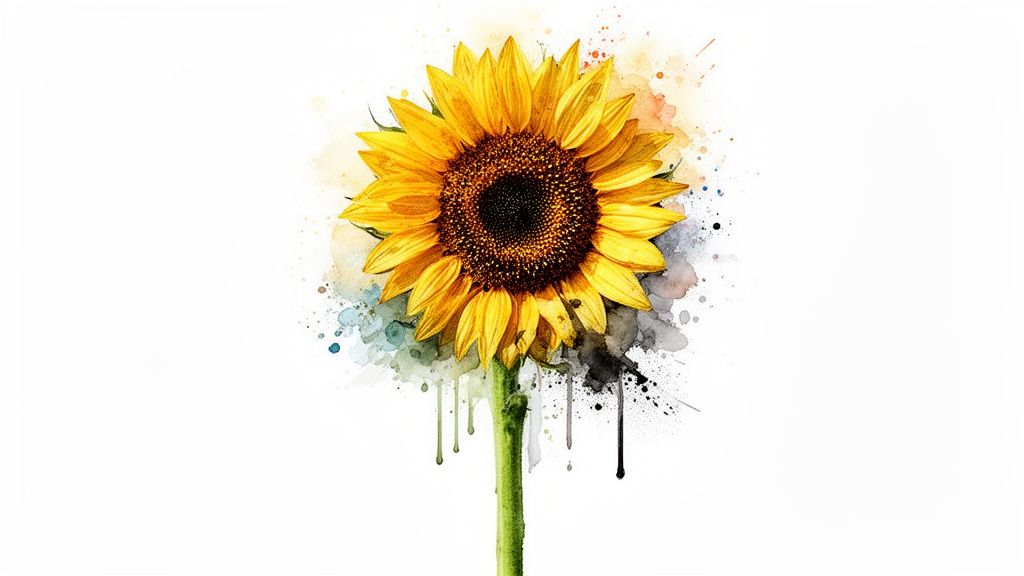
Nothing captures the essence of a Los Angeles late summer quite like the sunflower. These iconic flowers in bloom in august are at their peak, their large, golden-yellow heads radiating pure happiness and warmth. Symbolizing adoration and longevity, sunflowers are a powerful choice for events, bringing a cheerful and optimistic energy to any setting, from rustic outdoor weddings to sophisticated corporate offices. Their impressive size and vibrant color make them a definitive showstopper.
Arrangement & Pairing Ideas
Sunflowers command attention, making them excellent focal points. For a stunning centerpiece, pair them with contrasting textures like blue thistle, solidago, and lush eucalyptus. Their height also makes them ideal for creating dramatic, tall arrangements that define a space. For a more modern look, consider a monochromatic palette using different sunflower varieties, from pale lemon to deep burgundy, creating a rich, layered effect.
Care and Conditioning Tips
To ensure your sunflowers last, proper conditioning is key. Follow these steps for a vase life of 7-12 days:
Cut Stems: Upon arrival, trim at least one inch off the stems at a 45-degree angle under running water.
Remove Foliage: Strip away any leaves that will fall below the waterline to prevent bacterial growth.
Hydrate Well: Place them in a clean vase with fresh water and floral preservative. Change the water every two days.
Provide Support: Their large heads can be heavy. Use a sturdy vase and consider a floral grid or tape to keep them upright.
For a deeper dive into what’s currently at its peak, you can explore our full guide to seasonal flowers.
2. Zinnias – Prolific August Bloomers
Zinnias are the quintessential workhorses of the late summer garden, exploding with a riot of color. These prolific annuals are some of the most reliable flowers in bloom in august, thriving in the Los Angeles heat and offering continuous blooms. With their full, rounded form and a vibrant palette ranging from deep burgundy and coral to bright orange and pink, zinnias bring a cheerful, cottage-garden charm to any setting. Their textured petals add depth and a touch of romance, making them a favorite for events that call for a natural, garden-inspired aesthetic.
Arrangement & Pairing Ideas
Zinnias’ sturdy stems and diverse colors make them incredibly versatile. For a lush, romantic centerpiece, combine them with dahlias, cosmos, and delicate greenery like maidenhair fern. Their cheerful nature shines in bright, multi-colored bouquets perfect for summer parties or corporate subscriptions. To create a softer look for a wedding, pair pastel-toned zinnias with trailing jasmine vine and Queen Anne’s lace for a design that feels effortlessly elegant and freshly picked from the garden.
Care and Conditioning Tips
With proper care, zinnias can last 5-7 days in a vase. Follow these simple steps to maximize their freshness:
Cut Stems: Cut stems early in the morning and immediately place them in water. Before arranging, re-cut the stems at a 45-degree angle.
Remove Foliage: Strip all leaves that would sit below the waterline to keep the water clean and prevent wilting.
Hydrate Properly: Condition the flowers in a bucket of cool water for a few hours before arranging them in a clean vase with floral preservative.
Refresh Water: Change the vase water every other day to keep the blooms hydrated and vibrant.
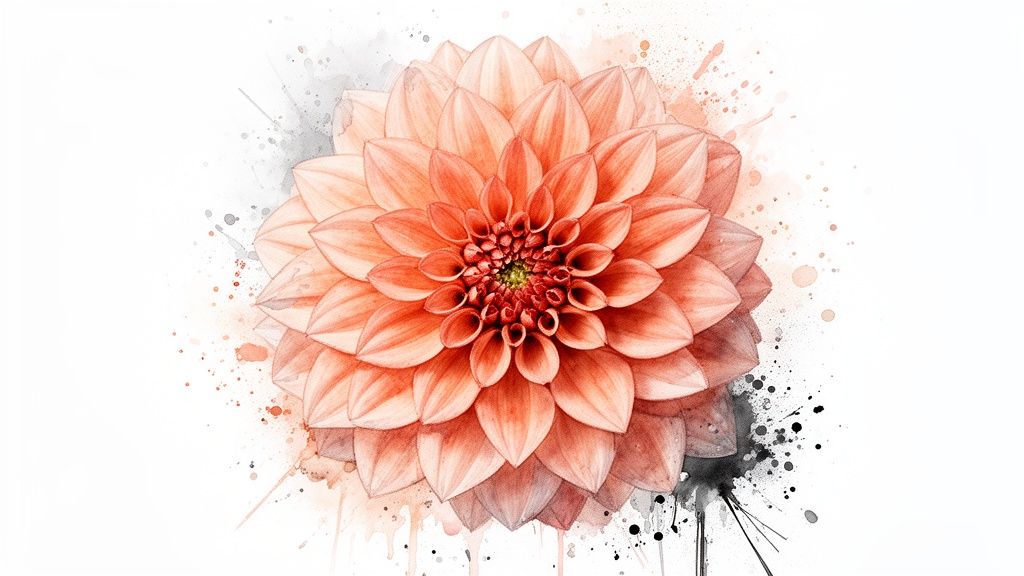
Dahlias are the sophisticated jewels of the late summer garden, reaching their peak as one of the most luxurious flowers in bloom in august. Their intricate, geometric petal formations create a stunning visual appeal that exudes opulence. With hundreds of varieties available, from petite pom-poms to grand dinner-plate sizes exceeding 12 inches, dahlias bring unparalleled texture and drama to high-end floral design. Los Angeles’s warm climate allows these premium flowers to flourish throughout August and well into the fall, making them a go-to for statement arrangements.
Arrangement & Pairing Ideas
The complex structure of a dahlia makes it a natural focal point in any premium arrangement. For luxury wedding centerpieces or dramatic bridal bouquets, feature large dinner-plate dahlias alongside softer textures like garden roses, lisianthus, and delicate cosmos. Their diverse color palette, from soft blush to deep burgundy, allows for both monochromatic and high-contrast designs. Integrating dahlias into your decor is one of many fresh flower arrangement ideas that can elevate an event’s aesthetic.
Care and Conditioning Tips
Dahlias have a shorter vase life of 3-7 days, so proper care is crucial to maximize their beauty. Follow these steps to keep them looking their best:
Cut Stems: Trim stems at a sharp angle upon arrival. It’s best to cut them in the cool of the early morning or evening.
Hydrate Immediately: Place cut stems into a bucket of cool water for at least two hours before arranging. This critical step rehydrates the petals.
Use Flower Food: Use a clean vase with fresh water and a floral preservative specifically formulated for dahlias if possible.
Keep Cool: Display your dahlia arrangements away from direct sunlight, heat sources, and ripening fruit to extend their life.
4. Black-Eyed Susans – Cheerful August Workhorses
Black-eyed Susans, or Rudbeckia, are the cheerful, hardworking stars of the late summer garden. These delightful flowers in bloom in august feature radiant, golden-yellow petals surrounding a distinctive dark, chocolate-brown center. As a hardy native plant, they bring a touch of wild, natural beauty and incredible resilience to any floral design. Their daisy-like form adds texture and a bright, sunny disposition, making them a reliable choice for everything from casual, bohemian weddings to vibrant corporate arrangements.
Arrangement & Pairing Ideas
Black-eyed Susans offer wonderful texture and a pop of saturated color. For a sophisticated, garden-inspired look, pair them with delicate white garden roses, blue delphinium, and wispy grasses. They are fantastic “filler” flowers that also hold their own, adding a rustic charm to bouquets and centerpieces. In venue installations for outdoor summer events, they create a joyful, meadow-like feel that perfectly complements the August sunshine.
Care and Conditioning Tips
With proper care, Black-eyed Susans are exceptionally long-lasting in a vase, often for up to 10 days. Follow these simple steps:
Harvest & Cut: Cut stems in the cool of the morning and immediately place them in water. Recut the stems at a 45-degree angle.
Strip Leaves: Remove all foliage that would sit below the waterline in your vase to keep the water clean.
Hydrate: Use a clean vase filled with cool water and a floral preservative packet.
Maintain: Change the water every two to three days to prevent bacterial buildup and ensure maximum vase life.
5. Celosia (Cockscomb) – Textural August Drama
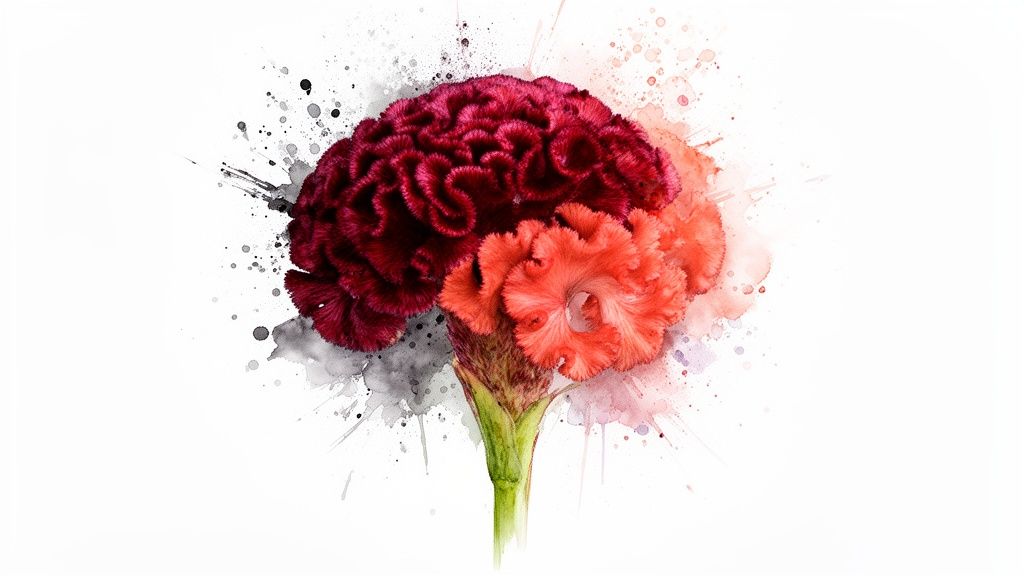
For those seeking textural drama and unconventional beauty, celosia is an absolute must-have. These fascinating flowers in bloom in august feature unique, velvety flower heads that resemble rooster combs or fiery flames, creating a striking statement in any arrangement. Available in a vibrant spectrum of deep crimson, coral, hot pink, and sunny yellow, celosia adds unexpected dimension and a touch of modern artistry. Symbolizing boldness and singularity, they are increasingly popular among contemporary florists looking to push creative boundaries.
Arrangement & Pairing Ideas
Celosia’s unique structure makes it a powerful textural element. In modern wedding designs, it can be paired with softer blooms like dahlias and roses to create a compelling contrast of form and feel. For bohemian or eclectic arrangements, mix it with pampas grass and unique greenery to enhance its artistic flair. Celosia also works wonderfully on its own in a monochromatic cluster, allowing its intricate shape to become the undisputed focal point of a contemporary centerpiece.
Care and Conditioning Tips
Celosia is remarkably long-lasting in a vase, often for up to 14 days with proper care. Follow these tips to maximize its beauty:
Cut Stems: Trim stems at a 45-degree angle upon arrival and re-cut every few days.
Remove Foliage: Strip any leaves that would sit below the waterline to keep the water clean and prevent bacterial growth.
Hydrate Properly: Place stems in a clean vase filled with fresh water and a floral preservative.
Dry for Keepsakes: Celosia dries beautifully. To preserve it, simply hang the stems upside down in a cool, dark, and well-ventilated area for several weeks.
6. Lisianthus – Romantic August Elegance
With petals as delicate as crepe paper and a form that rivals the classic rose, lisianthus offers a touch of romantic sophistication. These elegant flowers in bloom in august reach their peak, showcasing lush, ruffled blossoms that exude grace. A favorite of luxury florists, lisianthus symbolizes appreciation and charm, making it a perfect choice for high-end weddings and events. Available in a dreamy palette of white, pink, lavender, and rich purples, its versatility allows it to seamlessly fit into any sophisticated design, from premium bridal bouquets to corporate gifting arrangements.
Arrangement & Pairing Ideas
Lisianthus shines when paired with other premium blooms. For a classic, romantic centerpiece, combine white and blush lisianthus with garden roses, ranunculus, and delicate sprays of waxflower. Their soft, multi-layered petals add texture and depth without overwhelming the arrangement. For a more contemporary feel, create a lush, monochromatic design using various shades of purple lisianthus complemented by deep green eucalyptus and Italian ruscus.
Care and Conditioning Tips
Lisianthus is a long-lasting cut flower, often staying fresh for 10-14 days with proper care. Follow these steps to maximize its beauty:
Fresh Cut: Upon arrival, use a sharp knife to recut the stems at a 45-degree angle.
Strip Leaves: Remove all foliage that would sit below the waterline to keep the water clean.
Hydrate Properly: Place stems in a clean vase with cool water and a floral preservative specifically formulated for lisianthus.
Avoid Bruising: Arrange the stems loosely to give the delicate blossoms space and prevent bruising the petals. Change the water every 2-3 days.
7. Asters – Delicate August Fillers with Impact
Charming and abundant, asters are among the most versatile flowers in bloom in august. These perennials feature delicate, daisy-like blooms with thin, wispy petals radiating from a bright yellow center. Their voluminous nature makes them a cost-effective choice for creating soft, full arrangements, adding texture and color without relying solely on larger, more expensive focal flowers. Available in beautiful shades of purple, pink, blue, and white, asters bring a subtle, romantic sophistication to any design.
Arrangement & Pairing Ideas
Asters excel in adding a touch of wild, cottage-garden elegance. Pair them with larger blooms like dahlias and garden roses to soften the overall look and fill out a bouquet. For a lush, textural arrangement, combine white asters with Queen Anne’s lace and various types of greenery. They also work beautifully in monofloral designs, where their abundance creates a powerful, cloud-like effect perfect for modern venue installations or weekly corporate subscriptions.
Care and Conditioning Tips
With proper care, asters can have a vase life of 5-10 days. Follow these simple steps to maximize their freshness:
Cut Stems: Trim stems at a 45-degree angle upon receiving them and re-cut every few days.
Remove Foliage: Strip all leaves that would sit below the waterline to keep the water clean.
Hydrate Well: Place them immediately into a clean vase filled with cool water and a floral preservative.
Avoid Direct Sun: Keep the arrangement out of direct sunlight and away from heat sources to prevent wilting.
8. Gladiolus – Tall August Statement Flowers
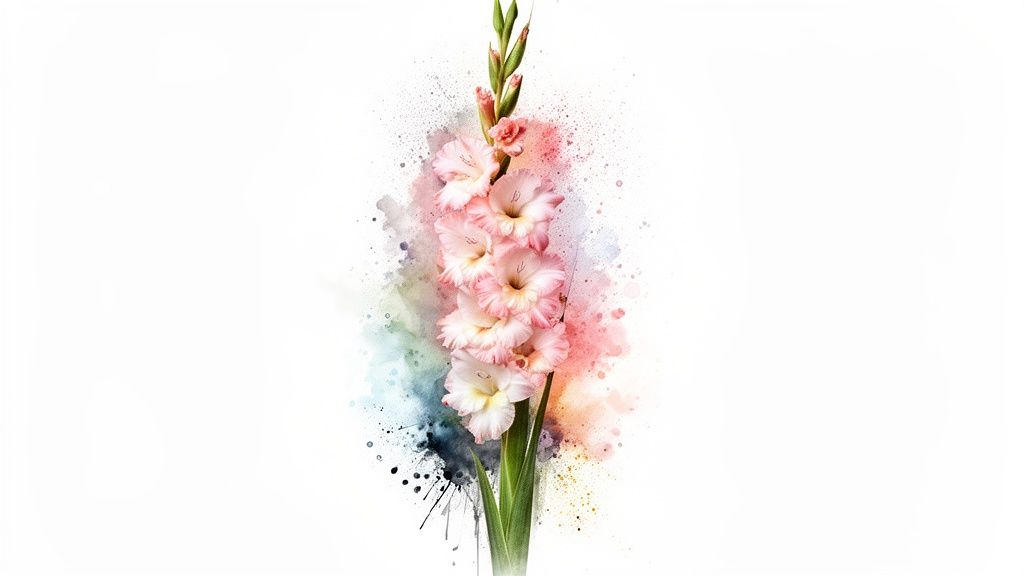
Known for their impressive height and dramatic presence, gladiolus are quintessential flowers in bloom in august. These striking flowers feature a tall, elegant spike adorned with multiple trumpet-shaped blooms that open from the bottom up. Available in a vast spectrum of colors, from soft pastels to vibrant jewel tones like deep purple and fiery red, gladiolus bring a sense of grandeur and classic beauty to any floral design, making them a favorite for large-scale event installations and formal weddings.
Arrangement & Pairing Ideas
The strong vertical line of gladiolus makes them perfect for creating height and structure in arrangements. Use them as a backdrop in large ceremony pieces or as a focal point in tall, slender vases for corporate events. For a lush and romantic look, pair them with softer, rounded blooms like hydrangeas and garden roses to create a beautiful contrast in form. In modern designs, a simple grouping of gladiolus in a single, bold color can make a powerful and sophisticated statement.
Care and Conditioning Tips
With proper care, gladiolus can have a long and impressive vase life of up to two weeks as new florets continue to open.
Cut Stems: Trim stems at a 45-degree angle upon receipt and repeat every few days.
Harvesting: Cut the stalk when the first one or two bottom florets show color.
Hydration: Place them in a tall, sturdy vase with fresh, cool water and floral preservative to support their height.
Maintenance: Gently remove the lower, wilted florets as they fade. This encourages the upper buds to open and keeps the stalk looking fresh.
9. Scabiosa (Pincushion Flower) – Unique August Texture
Scabiosa, often called the pincushion flower, offers a unique and delicate charm to late-summer floral designs. As one of the more intricate flowers in bloom in august, its distinctive dome-shaped head, ringed with delicate petals and dotted with prominent stamens, adds sophisticated texture. Available in a dreamy palette of lavender, deep burgundy, soft pink, and crisp white, scabiosa brings a touch of whimsy and romantic, garden-style elegance to any arrangement. Its airy form is a favorite among contemporary designers for creating movement and depth.
Arrangement & Pairing Ideas
Scabiosa’s whimsical form makes it a perfect textural element. In romantic or bohemian bouquets, pair it with larger blooms like dahlias and lisianthus, allowing its slender stems to float above the main arrangement. For a modern look, group them en masse or combine them with grasses and seeded eucalyptus to highlight their unique shape. They serve beautifully as a secondary flower, adding detail and a soft, organic feel without overpowering the focal blooms.
Care and Conditioning Tips
With proper care, scabiosa can have a vase life of 5-7 days. Their delicate stems require gentle handling.
Gentle Cut: Upon arrival, trim the stems at a 45-degree angle with sharp scissors or a knife.
Remove Lower Leaves: Strip any foliage that would sit below the waterline to keep the water clean.
Conditioning: Place the stems in a clean vase filled with cool water and flower food for at least a few hours before arranging.
Support Needed: Their thin stems can sometimes bend. Arrange them with sturdier flowers that can provide support or use a floral frog to hold them in place.
10. Marigolds – Vibrant August Warmth
Marigolds are cheerful annuals that bring a burst of warm color to the late summer landscape. As one of the most reliable flowers in bloom in august, their dense, ruffled blooms in shades of yellow, orange, and deep red are both abundantly available and wonderfully affordable. These friendly flowers symbolize creativity and passion, adding an informal charm and vibrant energy perfect for bohemian weddings, community gatherings, or simply brightening up an office space. Their hardy nature makes them a practical and beautiful choice.
Arrangement & Pairing Ideas
Marigolds are incredibly versatile and work well as both a focal point and a filler. For a rustic, garden-inspired look, combine them with other August bloomers like zinnias, cosmos, and textured greenery. In more contemporary arrangements, their bold colors can be used to create impactful monochromatic designs or paired with contrasting deep purples and blues for a striking visual effect. They are excellent for creating lush, low-lying centerpieces or cheerful, energetic bouquets.
Care and Conditioning Tips
Marigolds are known for their longevity, and with proper care, they can last up to 10 days in a vase. Follow these simple steps:
Cut Stems: Harvest in the cool morning and immediately place in water. Trim stems at a 45-degree angle before arranging.
Remove Lower Leaves: Strip all foliage that would sit below the waterline to keep the water clean.
Hydrate Simply: Place in a clean vase with fresh water. Marigolds have natural antimicrobial properties, so they require minimal floral food.
Refresh Water: Change the water every two to three days to maximize their freshness and vibrant color.
Top 10 August Blooms Comparison
Item
Implementation complexity
Resource requirements
Expected outcomes
Ideal use cases
Key advantages
Sunflowers – Bold August Showstoppers
Low–Medium (staking for tall varieties)
Low water once established; supports for heavy heads; abundant supply
Delicate, textured focal or secondary flower; 10–14 day vase life
Contemporary bouquets, textural accents in wedding designs
Distinctive pincushion texture; affordable luxury alternative
Marigolds – Vibrant August Warmth
Low
Low water needs; extremely abundant and low cost
Warm, dense blooms; 10–14 day vase life; antimicrobial water benefit
Casual/bohemian weddings, community events, volume arrangements
Very affordable, prolific in August, natural antimicrobial properties
Bringing August’s Beauty to Your LA Wedding or Event with Fiore
The late summer season in Los Angeles presents a stunning floral tapestry, rich with vibrant colors and diverse textures that can elevate any wedding, event, or personal space. As we’ve explored, August is not a time of scarcity but one of abundance, offering some of the year’s most spectacular blooms. From the bold, sun-facing presence of Sunflowers to the intricate, geometric beauty of Dahlias, the options for creating memorable floral designs are truly exceptional.
Understanding which flowers in bloom in August allows you to make informed, sustainable, and impactful choices. By selecting seasonal stems like the prolific Zinnia, the elegant Lisianthus, or the unique Scabiosa, you ensure your arrangements are at their absolute peak of freshness and vitality. This approach not only guarantees visual splendor but also aligns with a more eco-conscious mindset, reducing the carbon footprint associated with sourcing out-of-season flowers from distant locations.
Key Takeaways for Your August Floral Designs
To maximize the beauty of this late-summer bounty, remember these core principles:
Embrace Textural Diversity: Don’t just focus on color. Combine the velvety feel of Celosia with the delicate, airy petals of Asters or the smooth, structured form of a Gladiolus spire to create arrangements with depth and interest.
Leverage Color with Confidence: August’s palette is warm and inviting. Lean into the golden yellows of Black-Eyed Susans and Marigolds, the fiery reds of Dahlias, and the rich jewel tones of Zinnias to capture the essence of the season.
Prioritize Proper Conditioning: The August heat can be challenging for cut flowers. Recutting stems, providing fresh water daily, and keeping arrangements out of direct sunlight are non-negotiable steps to extend their vase life and preserve their beauty.
Mastering the art of seasonal selection transforms a simple bouquet into a narrative piece, a reflection of a specific moment in time. For event planners and engaged couples, this knowledge is invaluable for creating an authentic and cohesive aesthetic that feels both luxurious and grounded. For those planning a truly seamless and elegant occasion, exploring luxury concierge services in Los Angeles can provide invaluable support for coordinating all event details, including floral design. Choosing the right flowers is the first step; bringing them together into a breathtaking final product is where expertise and artistry truly shine.
Ultimately, the flowers of August offer a powerful medium for expression. They provide the tools to craft a romantic wedding atmosphere, a vibrant corporate event, or simply a joyful arrangement to brighten your home. By embracing the season’s best, you connect with the natural rhythm of the year, bringing a piece of its dynamic, sun-drenched energy indoors.
Ready to bring the vibrant beauty of August blooms to your next event or home? The expert designers at Fiore specialize in crafting bespoke arrangements using the freshest seasonal flowers available in Los Angeles. Explore our portfolio or contact us today to create something unforgettable at Fiore.
What colored roses mean can be the difference between “I love you” and “I appreciate you.” Roses are not just pretty, they are a message. Each color carries a feeling, and that feeling can change the whole gift.
This guide breaks down rose color meanings in plain language, so you can pick the right blooms with confidence. If you want a deeper look at specific shades, our rose color meanings guide is a helpful companion piece.
Decoding the language of rose colors
For centuries, people have used flowers to say what they could not say out loud. This tradition is called floriography, or the language of flowers. In that “language,” color is everything.
Think of rose colors like tone of voice. Red can feel bold and romantic. Yellow can feel warm and friendly. White can feel calm and respectful. When you choose the right color, the bouquet feels more personal.
Why the right rose color matters
Most people pick roses based on what looks good. That is normal, but it can also lead to mixed signals. A small color change can shift the meaning fast.
Weddings and milestones: White roses often signal new beginnings and sincerity.
Everyday gifting: Yellow roses are a classic choice for friendship and joy.
Romantic moments: Red roses are tied to passion and deep love.
When you treat rose colors like a message, the bouquet feels intentional, not generic.
Classic rose colors for love and romance
When most people think “romantic roses,” they think red or pink. Both are loving, but they speak in different ways. One is intense, the other is soft.
If you are sending roses early in a relationship, pink can feel sweet and safe. If you want a clear romantic signal, red is the most direct choice.
Red roses: deep love and devotion
Red roses are the strongest symbol of romantic love. They are bold, classic, and hard to misread. A red rose bouquet says, “I am serious about you.”
Red roses are often used for:
Anniversaries: to show lasting love and commitment
Valentine’s Day: a traditional romantic gesture
Proposals: a timeless symbol for a life-changing question
If you want a modern, designer-made arrangement that can include roses (based on what is freshest), consider a hand-tied bouquet.
Pink roses: affection, admiration, and gratitude
Pink roses are romantic too, but they feel gentler than red. They often suggest admiration, sweetness, and care. They also work well when you want to say thank you with warmth.
Different pink shades can shift the message:
Light pink: tender feelings, sweet admiration, and new love
Dark pink: stronger appreciation, gratitude, and respect
Pink roses are a loving gesture without the heavy “big romance” pressure that red can bring.
Roses for friendship, purity, and new beginnings
Not every rose is about romance. Some of the most meaningful bouquets are about support, friendship, and fresh starts. White and yellow roses are strong choices here.
These colors also work well for life events, including celebrations and more serious moments. The key is choosing the tone that fits the person and the situation.
White roses: purity, peace, and fresh starts
White roses are known for innocence and new beginnings. They feel clean, calm, and elegant. That is why they are common in weddings and in simple, refined arrangements.
White roses can also be used to show sympathy. In that setting, they can express peace, respect, and remembrance.
Yellow roses: friendship and joy
Yellow roses feel like sunshine. They are cheerful, warm, and friendly. They are a great way to say, “I’m thinking of you,” without any romantic meaning.
Yellow roses are a smart choice for:
Birthdays: a happy, bright surprise
Congratulations: celebrating good news or a win
Just because: a simple mood-lifter
If you are sending a thank-you bouquet and want the meaning to feel extra clear, our guide to meaningful thank-you symbols shares more ideas that pair well with peach and pink roses.
Unique rose colors that show specific feelings
Once you go beyond red, pink, white, and yellow, you get more precise options. These shades are helpful when you want to match a very specific emotion. They can also make your bouquet feel more personal and less “default.”
Orange, peach, and lavender roses are some of the most useful colors for this. Each one has a clear vibe, even before you read the card.
Orange roses: excitement, energy, and attraction
Orange roses mix the warmth of yellow with the passion of red. They often stand for excitement, enthusiasm, and bold attraction. They can read as modern and confident.
Orange roses work well for:
Big achievements: promotions, launches, or major goals
Celebrations: birthdays, parties, and wins worth cheering
New sparks: when there is clear chemistry and momentum
Peach roses: sincere thanks and appreciation
Peach roses are warm and thoughtful. They often symbolize sincerity, gratitude, and appreciation. They are a strong choice when you want your message to feel kind and genuine.
Peach roses feel like a handwritten thank-you note, simple, warm, and real.
Lavender roses: enchantment and love at first sight
Lavender roses feel dreamy and a little magical. They are often tied to fascination, wonder, and love at first sight. They are perfect for a message that says, “I can’t stop thinking about you.”
They also work well for someone who loves unusual colors, artful design, or a softer romance than classic red.
Rare and unconventional rose colors
Some rose colors are chosen for their drama. They stand out right away. They can also carry meaning that is less common, which makes the gift feel more personal.
Blue, green, and black roses are the most talked-about “unusual” colors. Here is what they traditionally suggest.
Blue roses: mystery and the impossible
Blue roses do not occur naturally in the way most people imagine. Many blue roses are dyed. That rarity and “made, not found” feeling is part of the symbolism.
Blue roses often represent mystery, imagination, and chasing something that once felt out of reach. They can be a thoughtful gift for a dreamer.
Green roses: growth, balance, and renewal
Green roses are tied to nature, health, and new life. They can symbolize renewal, harmony, and steady growth. This color is a good fit for fresh starts and calm support.
If you are choosing flowers for a big moment and want the look to feel coordinated across a room, Fiore offers event floral design for celebrations and gatherings.
Black roses: farewells and major change
Black roses are dramatic. In many cases, they are very dark red roses that look nearly black. Their meaning is usually tied to endings, farewells, and major life change.
They are not a common “happy” gift, but they can be meaningful in artistic settings or when someone wants a bold symbol of closing a chapter.
How to combine rose colors for a deeper message
A single rose color can say a lot. A mixed bouquet can say even more. When you combine colors, you can blend meanings into one clear message.
It also makes the arrangement feel more custom. The colors can reflect the relationship, the occasion, and even the recipient’s style.
Classic rose color combinations and meanings
Red and white roses: unity, devotion, and shared new beginnings
Yellow and pink roses: joyful friendship mixed with affection and gratitude
Red and yellow roses: warmth plus passion, often read as a relationship shifting from friendship to romance
Mixed rose colors let you say more than one thing at once, love plus gratitude, joy plus support, or passion plus respect.
If you are planning to send flowers quickly and want to avoid mistakes with addresses, timing, and notes, this guide can help you order flowers online with less stress.
Common questions about rose color meanings
Rose symbolism is helpful, but real life can be messy. These quick answers cover the most common situations where people worry about sending the wrong message.
Is it okay to give a friend red roses?
It depends on the relationship and how the gift is presented. A dozen red roses is strongly romantic in most settings. That can feel confusing if your relationship is clearly platonic.
If you want a safer choice for a friend, go with yellow, peach, or light pink roses. Those colors usually read as friendly, supportive, and kind.
What do the number of roses mean?
The rose count can add meaning too. Not everyone follows these traditions, but they are still common enough to matter.
Number of roses
Common meaning
1
Focused affection, “only you,” or love at first sight
Yes. Meanings can shift by country, religion, and tradition. White roses, for example, are common for weddings in many Western places, but they can be used more for mourning in other cultures.
If you are sending flowers across borders, it helps to check local customs. If you are sending locally, the meanings in this guide match what most people recognize today.
Conclusion: choose rose colors that match your message
Now you know what colored roses mean, and how to use rose color meanings to make your gift feel personal. When you match the color to the moment, the bouquet does more than look good. It says the right thing.
Ready to send roses that feel thoughtful and intentional? Fiore Designs creates custom arrangements and delivers across Los Angeles. Browse options and place your order at shop Fiore Designs.
Want to know how to preserve a rose forever, or at least for many, many years? The secret is choosing a method that fits the look you want, then starting while the flower is still fresh. A rose from a first date, a birthday, or a wedding can become a real keepsake if you treat it right.
Some methods give you a rustic, vintage feel. Others keep the rose’s shape and color as close to “day one” as possible. Below, you’ll find the most reliable ways to preserve a rose, plus simple care tips so your finished piece lasts.
Before you begin, work with a rose that’s at its best. If your bloom is already drooping, try to revive it first. Our florist tips on how to save roses from wilting can help you get the flower back in shape, which leads to a better result.
Once it looks good, keep it that way until you can preserve it. Use these steps from our guide on how to make flowers last longer so your rose stays hydrated and clean before you start drying it.
Choosing the Right Rose Preservation Method
Picking how to preserve a rose is the biggest decision you’ll make. The method changes everything, including the final look, how fragile the rose becomes, and how long it can last.
Think about what you want to do with it. Do you want to display it in a vase, frame it on a wall, or turn it into a hard resin keepsake you can hold?
Also, be honest about your comfort level. Some methods are simple. Others require careful measuring and safety gear.
Comparing Your Preservation Options
Each method gives a different “forever rose” style.
Air drying is classic and easy. Pressing turns petals into flat art. Silica gel helps keep the rose’s shape and brighter color. Glycerin leaves the rose soft and flexible. Epoxy resin seals the rose in a clear block. Freeze-drying is a professional option that can last for decades.
Key Takeaway: The best way to preserve a rose is the one that matches your goal. A simple air-dried rose can be just as meaningful as a resin keepsake if it holds the memory you care about.
Rose Preservation Methods at a Glance
Preservation Method
Difficulty
Cost
Time Required
Expected Lifespan
Air Drying
Easy
Low
2-4 weeks
1-3 years
Pressing
Easy
Low
2-4 weeks
5+ years (framed)
Silica Gel
Medium
Moderate
1-2 weeks
5+ years
Glycerin
Medium
Moderate
2-3 weeks
6-12 months
Epoxy Resin
Hard
High
1-2 weeks
Decades
Freeze-Drying
Professional
High
3-4 weeks
Decades
The longer-lasting options, like resin and freeze-drying, often cost more and take more care. Still, every method can create a beautiful keepsake when you start with a fresh rose and keep it away from sun and moisture.
Mastering Classic Methods: Air Drying and Pressing
If you want a simple, affordable way to preserve a rose, start here. Air drying and pressing are time-tested methods that don’t require special supplies.
Air drying keeps the rose in a 3D shape, but the petals shrink and the color deepens. Pressing makes a flat rose that works well in frames, cards, and paper crafts.
How to Air Dry a Rose
Air drying works best when the rose dries slowly in the right space. You want to remove moisture without letting the flower rot or mold.
Start by preparing your rose:
Remove lower leaves that could trap moisture.
Separate bouquets into single stems or small bundles of 2 to 3 flowers.
Next, pick the right drying spot. It should be:
Dark, so the petals don’t fade.
Dry, so moisture can leave the flower.
Well-ventilated, so air can move around the petals.
Hang the rose upside down using twine or dental floss. Make sure blooms are not touching each other or a wall.
Leave it for two to three weeks. When it feels crisp and dry, it’s ready.
Once your rose is fully dried, a light mist of unscented hairspray or floral sealant can help protect fragile petals and slow humidity damage.
How to Press Roses for Flat Keepsakes
Pressed roses can look like delicate botanical art. You can press whole blooms, but petals often press better since roses are thick.
Place the rose or petals between two sheets of absorbent paper, like blotting paper or parchment. Then place that stack inside a heavy book. Add more books on top for steady pressure.
Let the rose press for two to three weeks. If the paper feels damp, swap it out quickly and press again.
If you are preserving many flowers at once, like a bridal bouquet, the process takes planning. Our guide on how to preserve a wedding bouquet covers ways to handle a larger volume without crushing or losing key blooms.
Lifelike Results: Silica Gel and Glycerin
If you want your rose to look more like it did when you received it, silica gel and glycerin are strong options. These methods are popular because they keep more shape, more color, or a more natural feel.
Silica gel dries the rose fast while supporting the petals. Glycerin replaces water inside the plant so the flower stays soft.
Preserve a Rose with Silica Gel
Silica gel is a drying agent that comes as small crystals. It pulls moisture from the petals and supports the bloom, which helps the rose hold its shape.
Here’s what to do:
Choose an airtight container large enough for your rose.
Pour about 1 inch of silica crystals into the bottom.
Set the rose upright in the container.
Slowly spoon crystals around and over the rose until it is fully covered.
Seal the container.
Drying takes five days to two weeks, depending on bloom size and humidity.
Tip: When it’s ready, do not dump the crystals out fast. Pour them out slowly and use a soft paintbrush to remove leftover crystals from petals.
Preserve Roses with Glycerin (Soft and Flexible)
If you like the idea of a preserved rose that still feels soft, glycerin is worth trying. The rose drinks a glycerin-and-water mix, which replaces some of the natural moisture inside the stem and petals.
Mix one part vegetable glycerin with two parts hot water. Stir until combined, then let it cool to room temperature.
Prep the stem by cutting it at a sharp angle. Lightly crush the bottom inch of the stem to help it absorb the solution. Place the rose in a vase with a few inches of the mix.
Give it two to three weeks. You may notice the petals darken slightly as they change texture.
Both methods can help you preserve a rose for keepsakes, but they look and feel different.
Choose silica gel if you want to keep the rose’s shape and stronger color. It can last for years in a dry display, but it is brittle.
Choose glycerin if you want a rose that stays flexible. It often lasts 6 to 12 months and works well in arrangements.
Preserving a Rose in Epoxy Resin
Resin is one of the closest things to “forever.” It seals a rose in a clear, hard casing that blocks air and moisture. The result can be a paperweight, coaster, or display piece that lasts for decades.
Resin can look stunning, but it is not forgiving. Take your time, follow ratios, and always prioritize safety.
Dry the Rose First (No Exceptions)
To preserve a rose in resin, it must be completely dry. Any leftover moisture can cause cloudiness, trapped bubbles, or decay inside the cured resin.
Silica gel is usually the best prep method for resin because it dries quickly while keeping the rose’s shape.
Give the bloom at least a week in silica gel. Large roses may need longer.
Materials Checklist
Set up in a well-ventilated area. Cover your work surface with plastic so cleanup is easy.
Epoxy resin and hardener (casting resin for deep pours)
Silicone mold (cube, sphere, heart, or block)
Mixing cups with measurement lines
Stir sticks
Nitrile gloves and safety glasses
Heat gun or small kitchen torch for bubbles
Safety note: Work with good airflow. Avoid skin contact, and keep resin away from kids and pets while it cures.
How to Pour Resin in Layers
Layering helps prevent bubbles and keeps the rose from floating. It also helps you position the flower more neatly.
Mix a small batch of resin and hardener exactly as the brand directs. Pour a thin base layer into the mold and wait until it becomes tacky.
Place your dried rose on the tacky layer. Then mix another small batch and pour slowly, letting resin flow between petals. Use your heat tool briefly to pop surface bubbles.
Continue in thin layers until the rose is covered. Then cover the mold to keep dust out and let it cure for 24 to 72 hours.
If you want to start with a fresh, high-quality bouquet for a future keepsake, our Hand-tied Bouquets are designed with premium seasonal blooms that dry beautifully when conditioned well.
How to Care for a Preserved Rose
Preserving the rose is only step one. Where you place it and how you clean it can add years to its life.
The two biggest threats are sunlight and humidity. Sun fades petals. Humidity brings back moisture, which can cause softening, discoloration, or mold in dried flowers.
Display Tips That Help Roses Last
Keep preserved roses out of direct sun. Choose a spot with stable temperature and indirect light.
Avoid bathrooms and kitchens, where steam is common.
Avoid vents and radiators, which dry petals too fast and make them crack.
Use a glass dome or shadow box when possible to reduce dust and moisture swings.
You can also blend a preserved rose into home decor. Pair it with dried branches and grasses for a clean, low-maintenance look. If you want styling ideas, this guide on stunning sticks in vase arrangements has simple examples that work well with dried botanicals.
Cleaning and Maintenance by Method
Different preservation methods need different care.
Air-dried, silica gel, and pressed roses: Dust only. Use a soft paintbrush or compressed air. Avoid water and cleaning sprays.
Glycerin-preserved roses: Wipe gently with a dry microfiber cloth. Watch for stickiness in humid climates.
Resin keepsakes: Wipe with a soft cloth. Avoid abrasive cleaners that can scratch the surface.
When Professional Preservation Makes Sense
Some flowers feel too important to risk. If you have a bridal bouquet or a memorial arrangement, professional preservation can be the safer route.
Freeze-drying is a professional process that removes moisture at very low temperatures. It can hold the rose’s shape and color better than most home methods.
If you need wedding florals designed to look perfect all day, or you want help planning flowers you may preserve later, explore our wedding flowers services. We design full wedding florals in Los Angeles with a focus on detail and finish.
For milestone parties and styled celebrations, our event florals services can help create blooms worth saving after the last toast.
Rose Preservation FAQ
Trying to preserve a rose can feel simple, until you hit a snag. These are the questions people ask most when they want a rose to last as long as possible.
How Long Do Preserved Roses Last?
It depends on the method and the environment.
Air-dried roses: often 1 to 3 years, sometimes longer in a dry, shaded spot.
Pressed roses: 5+ years, and often decades when framed behind protective glass.
Silica gel roses: can last for many years if kept dry and handled gently.
Glycerin roses: usually 6 to 12 months, since they stay soft.
Resin or freeze-dried roses: often last decades.
The longer your rose stays protected from dust, sun, and moisture, the longer it will look “fresh.” A shadow box, dome, or resin casing helps a lot.
Can I Preserve a Rose That Is Already Wilting?
You can sometimes preserve a rose that just started to droop, but results vary. The best time to preserve a rose is when it is still firm and vibrant.
If the rose is only slightly limp, you may be able to revive it first, then preserve it. If petals are browning or falling, most methods will lock in that damage.
Why Did My Air-Dried Roses Turn Brown or Get Moldy?
This usually happens because of light or moisture.
Sunlight fades pigment and can turn petals brown. High humidity slows drying and can trap moisture inside the bloom, which leads to mold. Keep bundles small and give each rose airflow in a dark, dry space.
What Goes Wrong Most Often with Resin?
The top issue is using a rose that is not fully dry. Even a little moisture can cause cloudiness and bubbles, or lead to decay later.
Other common issues include mixing resin incorrectly or pouring too deep in one layer. Stick to the exact ratio and pour in thin layers, giving bubbles time to rise.
Final Thoughts: Turn a Rose into a Keepsake
Learning how to preserve a rose forever is really about one thing, protecting a memory. Start with a fresh bloom, pick a method that fits your style, and keep the finished piece away from sun and humidity.
If you need fresh flowers for a moment you want to remember, or you want advice on choosing blooms that hold up well, Fiore is here to help. Reach out through Contact Fiore Designs to plan a bouquet, an event, or wedding flowers worth saving.
Fresh flowers can change the mood of a room in minutes. The hard part is keeping them around without making extra errands. That’s why many people look for the best flower subscription service, one that matches their style and shows up right on schedule.
This guide breaks down what to look for, what different plans cost, and how to decide between a local florist and a national ship-in-a-box brand. If you want a deeper look at weekly plans, start with our weekly flower delivery guide.
Why Flower Subscriptions Keep Getting More Popular
A flower subscription is simple. You choose a schedule, then flowers arrive without you re-ordering each time. For many homes and offices, that “set it once” routine is the main draw.
Subscriptions are also a nice way to enjoy seasonal blooms without having to track what’s in season. Your space looks refreshed often, and you get variety without overthinking it.
The benefits go beyond “pretty”
Flowers are visual, but the impact is not only about decor. A fresh bouquet can make an entryway feel welcoming, help an office feel more cared for, and bring a small lift to everyday routines.
Consistent freshness: New flowers arrive before the old ones feel tired.
Less decision fatigue: You do not have to keep picking arrangements.
More variety: You may get stems you would not buy on your own.
A flower subscription is a repeat gift to yourself. Each delivery is a small reset for your space.
Why picking the right service matters
Not every subscription is the same. Some send loose stems in a box, while others hand-deliver a finished arrangement. Some focus on bargain pricing, while others focus on design and premium blooms.
The right fit means flowers that arrive in good shape and match your taste. The wrong fit often means a lot of extra work, short vase life, or arrangements that never look like “you.”
How to Choose the Best Flower Subscription Service
Before you compare prices, start with how you want the flowers to feel in your home or workplace. Do you want soft and airy, bright and bold, modern and clean, or garden-like and textured? Your answer helps you narrow options fast.
Use the checklist below to compare services side by side.
Quick checklist for comparing subscriptions
Factor to Consider
What to Look For
Why It Matters
Floral Style
Designs that match your decor, modern, rustic, classic, or garden-style.
Flowers should work with your space, not fight it.
Customization
Color direction, “florist’s choice,” or stem preferences.
You decide how much control you want.
Frequency
Weekly, bi-weekly, or monthly plans.
The right rhythm keeps your space fresh without waste.
Flexibility
Easy skip, pause, or cancel options.
Your plan should follow your calendar.
Freshness/Sourcing
Clear freshness promise and transparent sourcing notes.
This affects how long the bouquet looks good.
Delivery Style
Hand-delivered arrangement vs. boxed stems.
This changes the “ready to enjoy” factor a lot.
Start with your floral style
Style is the easiest way to narrow down the best flower subscription service for you. If you love clean lines and simple palettes, look for a studio that designs that way. If you like a lush garden look, pick a florist known for texture and movement.
Match your decor: Minimal spaces often look best with fewer colors and stronger shapes. Cozy, layered homes can handle more color and texture.
Decide on surprise vs. control: “Designer’s choice” is great if you like variety. If you have a strict palette, ask for color direction.
Choose DIY or ready-to-display: Boxed stems can be fun if you like arranging. Hand-delivered bouquets are easiest.
If you also like mixing in greenery, this is where online ordering habits overlap. For general shopping and unboxing basics, these tips for buying plants online cover what to check before you order.
Make sure the schedule fits your life
Frequency matters more than most people expect. If your home runs warm, or your vase life is usually short, weekly may make sense. If you travel often, bi-weekly or monthly may feel better.
Weekly: Best for constant freshness, busy offices, and frequent hosting.
Bi-weekly: A popular balance for most homes.
Monthly: A simple “treat” cadence with less upkeep.
Also check the skip policy. A good service makes it easy to pause deliveries for travel weeks.
Check freshness, sourcing, and guarantees
Freshness is where subscriptions win or lose. Ask where flowers are sourced, how they are conditioned, and what the service does if something arrives damaged.
Where do the flowers come from? Many local florists buy from nearby growers and markets. National brands often ship from a central hub.
Is there a clear guarantee? Look for simple, plain-language policies.
How are flowers packed? Boxes need strong packing and hydration. Hand delivery is gentler for delicate blooms.
If you want realistic expectations for vase life, this guide on how long cut flowers last explains what impacts longevity most.
Subscription Models and Pricing: What You’re Really Paying For
Flower subscriptions often look like phone plans. You pick a size, a schedule, and add-ons like a vase. The biggest pricing differences usually come from stem count, bloom quality, and design time.
Finding the right delivery cadence
Weekly plans are common for people who want their home to look “done” all the time. Bi-weekly plans are popular because they feel frequent without feeling constant. Monthly plans are great when you want a noticeable refresh without a large ongoing spend.
Ask yourself one question: do you want flowers to be part of your weekly routine, or a monthly highlight?
Common price tiers (per delivery)
Tier
Price Range (per delivery)
What You’ll Likely Get
Budget-Friendly
$40 – $60
A smaller seasonal bouquet, great for a desk or side table.
Mid-Range
$65 – $90
A fuller arrangement with more stems and occasional premium blooms.
Premium / Luxe
$95+
High-impact designs with premium ingredients and often a keepsake vessel.
If you’re comparing subscription spending to one-time event flowers, this average cost of wedding flowers breakdown can help frame what “premium” often means in florals.
Local Florists vs. National Chains: What Changes in Real Life
When you look for the best flower subscription service, you’ll usually choose between a local florist and a national company. The difference is not only price. It shows up in freshness, design, and how “ready” the flowers are when they arrive.
Why many people prefer a local florist subscription
A local florist subscription is design-first. You often get arrangements made close to delivery time, with seasonal ingredients that reflect what is best right now.
Handcrafted designs: More unique shapes, textures, and color stories.
Often fresher: Less time in a box, less time in transit.
Personal service: Easier to share preferences and get adjustments.
Local seasonality: You are more likely to see what is truly “in season” week to week.
Why national subscription brands can still be a good fit
National brands are built for broad coverage and a fast online checkout. They are often easy to gift across the country, especially if you need to send flowers to someone in another city.
Just remember the tradeoff. Most national services ship stems in a box. That means more steps for the recipient, unboxing, trimming, arranging, and finding the right vase.
If you want a detailed overview of what to expect when ordering online, our online flower delivery tips walk through the main differences in delivery styles.
Side-by-side comparison
Feature
Local Florist Subscription
National Chain Subscription
Design Style
Artistic and seasonal, often different each time.
More standardized and photo-matched.
Freshness
Often stronger due to shorter travel time.
Can vary due to shipping and warehousing.
Delivery
Hand-delivered and ready to place in a vase.
Boxed stems, usually DIY.
Service
Direct relationship with the florist or studio.
Support is usually through a central team.
Delivery Zone
Limited to a specific area.
Wide coverage.
Price
Often higher because design is custom.
Sometimes lower at entry-level tiers.
The Fiore Difference: A Premier Flower Subscription Option
Many subscriptions make you choose between custom design and easy ordering. Fiore was built to offer both, especially for clients who want flowers that look intentional, not generic.
Instead of flowers packed days earlier, arrangements are created close to delivery time, using premium seasonal ingredients. That means a better first impression, and often a better vase life.
Designed for homes and offices
If you want flowers that feel like part of your home styling, explore home flower delivery. If you need a consistent refresh for reception areas, meeting rooms, or client-facing spaces, our office flower delivery plans are built for that rhythm.
For offices, it also helps to choose the right size and placement. This guide to office flowers that transform workplaces shares simple ways to keep arrangements looking polished all week.
If you like surprises, start with “designer’s choice”
Not sure what style to pick? “Florist’s choice” is often the best starting point. You share the mood, and the designer handles the rest.
For a one-time taste before committing, our Designer’s Choice arrangement gives you that surprise-and-delight experience in a single delivery.
Common Questions Before You Subscribe
It’s normal to have a few practical questions before signing up. These details can make the difference between a subscription you love and one you pause after a month.
How can I make subscription flowers last longer?
Small habits make a big difference. Clean water, a clean vase, and a fresh cut on the stems usually add days.
Trim stems right away: Cut about one inch off, at a slight angle, using sharp shears.
Use a clean vase: Bacteria shortens vase life fast.
Add flower food: If it’s included, use it.
Change water every two days: Rinse the vase and refill with cool water.
Place flowers thoughtfully: Avoid direct sun, heaters, and ripening fruit.
If you want a deeper troubleshooting guide, see our full flower care tips.
What happens if I’m not home for delivery?
Policies vary by service. Many local florists will leave flowers in a shaded, secure spot and message you. National boxed shipments are usually left like any package, so you’ll want to bring them inside as soon as you can.
Can I pause or cancel easily?
You should be able to pause, skip, or cancel without hassle. Before you commit, check that the service has clear terms and an easy way to manage deliveries.
Are flower subscriptions worth it?
For many people, yes. The value is not only the flowers. It’s the time saved, the consistent look of a styled space, and the simple joy of having something fresh in the house each week.
Final Take: Pick the Service That Matches Your Life
The best flower subscription service is the one that fits your style, your schedule, and your expectations for freshness. Start with the delivery rhythm you can keep, then choose the design style you want to see on your table.
If you want premium seasonal designs with a plan that feels easy to manage in Los Angeles, explore Fiore subscription options and choose the schedule that fits your space.
Want to know how to send flowers to someone and make it feel truly thoughtful, not last-minute? Good news, it’s easier than ever. With a few clicks, you can turn “thinking of you” into a real bouquet on their table.
The basic steps are simple: choose a florist you trust, pick an arrangement that fits the moment, write a short note, and enter the delivery details carefully. This guide walks you through each step so your flowers arrive fresh and right on time.
Sending Flowers in the Digital Age
The tradition of sending flowers has been around for generations. What has changed is how fast and easy it is. Today, you can order flowers online in minutes, even if you are across the country.
That convenience is a big reason flower gifting is still so popular. People send flowers for birthdays, anniversaries, “get well soon” moments, and sympathy, because the message is clear without needing a lot of words.
Sending flowers is a simple way to show up for someone. It turns a quick thought into something they can see, smell, and enjoy for days.
This table covers the basics for a smooth order and delivery.
Step
Key Action
Pro Tip
Choose a Florist
Select a reputable online or local florist.
Look for clear photos of real work and consistent customer reviews.
Select the Bouquet
Pick an arrangement based on the occasion, taste, and budget.
If you are unsure, “designer’s choice” often looks the most special and seasonal.
Write Your Message
Add a short note that matches the moment.
Keep it warm and simple. A few honest lines are enough.
Enter Delivery Info
Provide the name, address, and phone number.
Add apartment numbers, gate codes, and any drop-off details.
Choose a Date
Select the delivery date and time window (if offered).
For same-day, check the cutoff time before you order.
Complete Payment
Pay and save your confirmation.
Keep the email so you have the order number if you need help later.
Choosing a Bouquet That Tells a Story
Great flower gifts feel personal. The goal is not just “pretty flowers.” It is choosing something that matches the moment and the person.
Start with two quick questions: What is the occasion, and what do they like? When you answer those, the right style becomes much easier to pick.
Match the Flowers to the Occasion
Different moments call for different moods. Bright and playful works for celebrations. Soft and calm fits support and sympathy.
Birthday: Mixed, colorful flowers that feel fun and lively.
Get well soon: Cheery blooms with a lighter scent, especially for hospitals.
Sympathy: Whites, greens, and gentle tones that feel peaceful.
Anniversary: Romantic tones, or flowers that have meaning for your relationship.
If you want the florist to make the call using the best seasonal stems, a Designer’s Choice arrangement is a smart option. It also tends to look more one-of-a-kind.
Use Color to Say More (Without Saying More)
Color changes the message fast. Even if the recipient does not know “flower meanings,” the feeling still comes through.
Red feels romantic and bold. Yellow feels friendly and upbeat. Pink feels sweet and grateful. White often feels calm, classic, and respectful.
If you are sending roses and want help choosing the right shade, our guide to what color of roses mean makes it simple.
Writing a Message That Makes an Impact
The bouquet gets the first reaction. The card is what they reread later. You do not need perfect words, you just need real words.
Keep it short. Aim for one to three sentences that match the occasion and your relationship.
Message Ideas You Can Copy and Make Your Own
Birthday: “Happy birthday! Hope today feels joyful from start to finish. Can’t wait to celebrate with you soon.”
Anniversary: “Another year with you, and I still feel lucky. I love you. Always.”
Just because: “Saw these and thought of you. Hope they brighten your day.”
What to Write for Sympathy or Support
When someone is going through something hard, simple is best. Your job is not to fix it. Your job is to show care.
For sympathy notes, less is usually better. A few sincere lines can feel stronger than a long message.
Sympathy: “I’m so sorry for your loss. Thinking of you and sending love.”
Get well soon: “Wishing you rest and an easy recovery. Hope these brighten your space.”
Encouragement: “I’m in your corner. One day at a time. You’ve got this.”
Finish with a closing that fits, like “With love,” “Thinking of you,” or “Always,” and then your name.
Getting Your Flowers Where They Need to Go
Delivery is the part people rush. It is also the part that can cause the most problems if details are missing.
Before you place the order, double-check the address, and include helpful notes for the driver. That is the easiest way to avoid delays.
Delivery Details That Prevent Mistakes
Write the full recipient name and a working phone number. Then get specific about the location.
Apartments: Add unit numbers and entry instructions.
Gated homes: Add gate codes, or a name for call box access if needed.
Offices: Include the business name, floor, and who can accept deliveries.
If the delivery is going to a busy area or a building with access rules, these notes matter. They keep the flowers from taking an unnecessary trip back to the shop.
Choosing the Right Delivery Timing
Some deliveries are flexible. Others are all about timing, like a birthday lunch or a surprise before dinner.
Standard delivery is usually the most affordable. Timed delivery costs more because it takes extra planning. Same-day delivery is great for last-minute gifts, but it depends on the florist’s cutoff time.
Delivery Options Compared
Delivery Type
Best For
Average Cost
Key Consideration
Standard Delivery
Non-urgent gifts where the exact time does not matter.
$10 to $20
Arrives during business hours, often 9 AM to 6 PM.
Timed Delivery
Work deliveries, surprises, and events.
$20 to $35+
You pick a delivery window, but availability can be limited.
Same-Day Delivery
Last-minute gifts and spontaneous moments.
$15 to $25
Most florists have an early afternoon cutoff time.
After checkout, save your confirmation email. Many florists also send a delivery update, so you know when the flowers arrive.
Local Tips for Sending Flowers in Los Angeles
Sending flowers in Los Angeles comes with a few extra considerations, mainly traffic and building access. A delivery that looks quick on a map can take much longer during peak hours.
If you have flexibility, mid-morning or mid-afternoon delivery windows often work well. For apartment buildings and offices, detailed instructions are the best way to avoid delays.
Pick an easier window: Late morning and mid-afternoon can be smoother than rush hour.
Add access notes: Gate codes, call boxes, and concierge details help a lot.
Be specific at offices: Company name, floor, and a front desk contact keep things moving.
If you are sending within the westside area, our Culver City flower delivery guide shares extra pointers on timing and same-day ordering.
And if you are comparing options, this article on best flower delivery in Los Angeles explains what to look for, like freshness, design style, and reliability.
A Few Common Questions We Hear All the Time
Sending flowers is simple once you have done it once. These are the questions we hear most often, especially from first-time senders.
How Much Does It Cost to Send Flowers?
Prices vary based on size, flower types, and delivery fees. Many local deliveries start around $40 to $50 for a simple arrangement. Premium designs with higher-end blooms can be $150 and up.
Delivery often adds $10 to $25. Same-day and timed windows can cost more, especially during big holidays.
Tip: Review the full total at checkout so you see flowers, delivery, fees, and tax before you confirm.
Can I Send Flowers Anonymously?
Yes. Most florists let you leave your name off the card. Your billing details stay private.
If you do send anonymously, keep the note clearly kind and easy to understand.
What Happens if the Recipient Isn’t Home?
Policies vary, but most drivers try to call first. If there is a safe option, they may leave the flowers in a shaded spot or with a concierge. If not, they may leave a note to reschedule or arrange pickup.
If this is a surprise and you are worried, choose a window when someone is likely to be home.
How Far in Advance Should I Order for Holidays?
For Mother’s Day and Valentine’s Day, order at least one to two weeks early. You will get better flower choices, and you are more likely to get the delivery slot you want.
Ready to send flowers to someone and make their day? If you want help choosing the right arrangement or planning delivery details, contact our team and we’ll help you place the order with confidence.