Category: Uncategorized

  • Best Flowers for Spring Wedding: Top 10 Picks for 2025

    Best Flowers for Spring Wedding: Top 10 Picks for 2025

    Spring weddings feel fresh, romantic, and full of color. If you are planning a celebration, choosing the best flowers for a spring wedding is one of the easiest ways to set the mood from the first photo to the last dance.

    Start with two simple questions: What colors do you want, and what flowers are actually in season when you get married? If you want help building a clear plan, read our guide on how to choose wedding flowers. It will help you match blooms to your venue, dress style, and overall vibe.

    Below, you will find 10 spring favorites, along with practical notes on timing, styling, and handling. You will also see bouquet and centerpiece ideas you can share with your florist in one clean list.

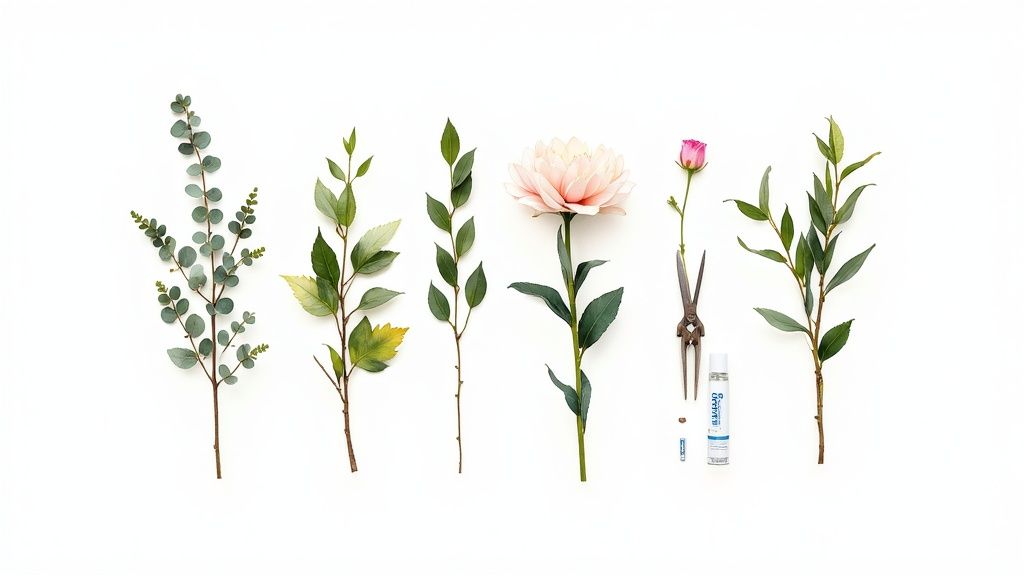
    Spring wedding flowers laid out for planning, including peonies and tulips

    1. Peonies

    Peonies are famous for their full, ruffled petals and soft scent. They read as romantic right away, which is why they are often called one of the best flowers for a spring wedding. A few stems can make a bouquet look rich and “finished” without adding lots of filler.

    Availability and popular varieties

    In Los Angeles, peonies usually peak from late April through June. Popular varieties include soft pink ‘Sarah Bernhardt’ and crisp white ‘Duchesse de Nemours’. If you want a tighter, more rounded bloom, ask about ‘Charlie Bucket’.

    Design and pairing ideas

    • For bouquets: White peonies with garden roses and silver dollar eucalyptus feels classic and clean.
    • For centerpieces: Coral peonies mixed with ranunculus and sweet peas gives a lush, spring garden look.

    Budget and handling tips

    Peonies are premium stems, mostly because the season is short and demand is high. If peonies are a must, reserve them early and stay flexible on the exact variety. Tight buds often need time and proper conditioning to open for your wedding date.

    2. Tulips

    Tulips are the “hello, spring” flower. They feel modern, simple, and bright, which makes them one of the best flowers for a spring wedding when you want a clean shape and a clear color story.

    Their stems can curve and keep growing after they are cut. That natural movement looks beautiful in loose arrangements, but it does mean tulips behave a little differently than roses.

    Availability and popular varieties

    Tulips are at their best from March through May. The double-petaled ‘Angelique’ variety has a soft, peony-like look. Parrot tulips add ruffled texture and strong color shifts in each petal.

    Design and pairing ideas

    • For bouquets: A tight, monochrome bundle of white tulips looks chic and photo-ready.
    • For centerpieces: Tall bud vases with one color of tulip feels fresh and modern. For a more garden feel, mix varieties in low arrangements.

    Budget and handling tips

    Tulips are usually more budget-friendly than peonies and garden roses. Keep them cool, re-cut stems at an angle, and use taller vases if you want the stems to stay upright.

    Colorful tulips, a best flowers for spring wedding choice for modern palettes

    3. Ranunculus

    Ranunculus has layers and layers of thin petals, almost like tissue paper. They look romantic, but still feel current. Many couples choose ranunculus as one of the best flowers for a spring wedding because it gives a high-end look without peony pricing.

    Availability and popular varieties

    Ranunculus is most common from March through May. Large “Cloni” ranunculus can be especially fluffy and eye-catching. The ‘Elegance’ series is also popular for its strong colors and reliable shape.

    Design and pairing ideas

    • For bouquets: Blush and white ranunculus with lisianthus and dusty miller reads soft and romantic. If you love a looser shape, our garden-style bridal bouquet guide can help you decide on movement, layering, and silhouette.
    • For centerpieces: Mix peach and hot pink ranunculus with chamomile, delphinium, and airy greenery for a playful spring palette.

    Budget and handling tips

    Ranunculus is mid-range, but it needs gentle handling. Condition stems in cool water, remove leaves below the waterline, and use a grid or foam for extra support in centerpieces.

    Close-up ranunculus petals, a best flowers for spring wedding texture flower

    4. Garden Roses

    Garden roses are fuller, softer, and more fragrant than standard roses. They bring instant romance to bouquets and centerpieces, and they photograph beautifully. If you want a classic look with a little extra texture, garden roses are among the best flowers for a spring wedding.

    Availability and popular varieties

    Garden roses are available year-round, but many varieties look and smell their best in spring. Popular choices include David Austin types like ‘Juliet’, ‘Keira’, and the sandy-toned ‘Quicksand’.

    Design and pairing ideas

    • For bouquets: A mono-floral bouquet of white ‘Patience’ garden roses is simple, calm, and very fragrant.
    • For centerpieces: Dusty pink garden roses with lisianthus and trailing jasmine feels dreamy, especially on long tables.

    Budget and handling tips

    Garden roses are premium stems. If your budget is tight, ask your florist to mix in standard roses in a matching color and save garden roses for the bridal bouquet and sweetheart table.

    5. Lilacs

    Lilacs are known for their sweet scent and clustered blossoms. They feel nostalgic, like a garden in bloom. If fragrance matters to you, lilacs can be one of the best flowers for a spring wedding, even if you only use them as an accent.

    Availability and popular varieties

    Lilacs have a short season, usually March through May. Classic purple lilac is the most common, but white ‘Madame Lemoine’ is a favorite for a soft, airy palette.

    Design and pairing ideas

    • For bouquets: Add small sprigs of lilac to tulips or garden roses for a fresh-picked look and scent.
    • For centerpieces: Use lilac branches in taller vases with delphinium and soft greenery for a loose spring feel.

    Budget and handling tips

    Lilacs can be hard to source because the season is so short. Woody stems often need extra prep to drink water well. If you love the look but cannot get lilacs, ask about other clustered blooms with similar texture.

    If you are also building a style board, see our roundup of current wedding flower trends to spot color palettes and bouquet shapes that work well with lilacs.

    6. Sweet Peas

    Sweet peas are delicate, fluttery, and very fragrant. They bring a soft, romantic look that works well in spring. Many couples choose sweet peas as one of the best flowers for a spring wedding when they want movement, scent, and a “just gathered” vibe.

    Availability and popular varieties

    Sweet peas are typically best from March through May. They come in soft pastels, creamy neutrals, and richer jewel tones. Bicolor heirloom varieties can look especially special in photos.

    Design and pairing ideas

    • For bouquets: A hand-tied bouquet of sweet peas alone looks simple and romantic, especially for smaller weddings.
    • For centerpieces: Let sweet pea vines weave through low garden rose and ranunculus arrangements for softness and scent.

    Budget and handling tips

    Sweet peas can be mid-range to premium due to fragility and waste. They dislike heat and tend to have a shorter vase life, so they are best designed close to the wedding date.

    7. Hellebores (Christmas Roses)

    Hellebores have a moody, natural look, with nodding blooms and soft, dusty tones. If you want something less common than roses or peonies, hellebores can be one of the best flowers for a spring wedding, especially for an editorial or garden-inspired style.

    Availability and popular varieties

    Hellebores are often available from January through early April. The ‘Winter Jewels’ series includes rich plums, pale apricots, speckled whites, and soft green tones. ‘Double Ellen’ varieties add extra petals for a fuller look.

    Design and pairing ideas

    • For bouquets: Pair white-speckled hellebores with ferns, lily of the valley, and trailing jasmine for a woodland feel.
    • For centerpieces: Use plum or green hellebores with ranunculus and seasonal foliage in low, wide pieces.

    Budget and handling tips

    Hellebores are a specialty stem, so pricing can vary. Some blooms face downward, so placement matters. Florists sometimes wire stems in bouquets so the flowers face forward and show in photos.

    8. Anemones

    Anemones have thin petals and a bold dark center, which creates a clean, graphic look. They are a favorite for modern designs and high-contrast palettes. If you want a crisp black-and-white moment, anemones are among the best flowers for a spring wedding.

    Availability and popular varieties

    Anemones are most common from late winter through spring, often March to May. The classic white ‘Panda’ anemone has a deep black center. You can also find blush, magenta, and red varieties.

    Design and pairing ideas

    • For bouquets: Pair white anemones with dusty miller, and add a few dark-centered blooms like scabiosa for contrast.
    • For centerpieces: Mix anemones with ranunculus and ferns in simple glass vessels for a clean, light look.

    Budget and handling tips

    Anemones are mid-range, but they bruise easily. Keep them cool and handle the petals gently. They also like fresh water and clean buckets, so plan for extra care if you are DIYing.

    9. Hyacinths

    Hyacinths are dense, colorful spikes with a strong scent. They bring instant “spring” energy, and a little goes a long way. If you want a scent-forward design, hyacinths can be one of the best flowers for a spring wedding.

    Availability and popular varieties

    Hyacinths are usually best from March through May. Popular colors include deep purple ‘Peter Stuyvesant’, white ‘Carnegie’, and soft pink ‘Pink Pearl’.

    Design and pairing ideas

    • For bouquets: Tuck a few hyacinth florets into a tulip bouquet for texture and scent without adding bulk.
    • For centerpieces: Use full hyacinth spikes in low, compact designs with garden roses and greenery.

    Budget and handling tips

    Hyacinths are usually moderately priced. Because the scent is strong, be mindful if you have guests with allergies or if your venue is small. Some stems can also irritate skin, so gloves can help during prep.

    10. Bleeding Heart (Dicentra)

    Bleeding Heart is a true storybook bloom. The little heart-shaped flowers hang from arching stems, which adds a soft, whimsical detail to wedding designs. For couples who want something rare and romantic, bleeding heart can be one of the best flowers for a spring wedding.

    Availability and popular varieties

    Bleeding hearts tend to peak from April through early June. The most common variety is pink ‘Spectabilis’. White ‘Alba’ is a clean option for light palettes.

    Design and pairing ideas

    • For bouquets: Weave bleeding heart through a loose bouquet with sweet peas, anemones, and ferns for a trailing effect.
    • For centerpieces: Use it as an accent in taller pieces, letting the stems drape naturally over the vase edge.

    Budget and handling tips

    Bleeding heart can be harder to source, and the stems are fragile. Plan ahead, and keep handling to a minimum to reduce petal drop. If you are building a budget, our guide on how to save money on wedding flowers can help you decide where specialty blooms make the most impact.

    Top 10 Spring Wedding Flowers Comparison

    Flower Handling difficulty What it needs Look and vase life Best for Main benefit
    Peonies Medium Short season (Apr–Jun), reserve early Full, romantic, often 7–12 days Bridal bouquets, luxury looks Big impact with fewer stems
    Tulips Low to medium Cool water, taller vases help Clean shape, bends naturally, 7–14 days Modern palettes, simple designs Color range and affordability
    Ranunculus Medium Cool conditioning, support in arrangements Layered, romantic, 7–14 days Garden and boho looks High-end texture at mid-range cost
    Garden roses Medium to high Premium sourcing, careful conditioning Full and fragrant, 10–14 days Classic romance, scented designs Signature fragrance and shape
    Lilacs High Very short season, woody stem prep Clustered, very fragrant, 5–10 days Garden weddings, fragrance moments Nostalgic scent and texture
    Sweet peas High Cool temps, short vase life Airy and ruffled, 5–10 days Cottage and garden looks Soft movement and scent
    Hellebores Medium Thoughtful placement, sometimes wiring Moody, botanical, 10–14 days Early spring, editorial styles Distinctive color and longevity
    Anemones Medium Gentle handling, cool storage Graphic contrast, 7–10 days Modern, minimalist, high-contrast Bold centers that photograph well
    Hyacinths Medium Support for short stems, manage fragrance Dense spikes, 7–12 days Scent-forward accents Big scent in small amounts
    Bleeding heart High Specialty sourcing, delicate handling Whimsical detail, 5–7 days Unique accents, woodland looks Rare shape and movement
    Spring wedding centerpiece ideas using best flowers for spring wedding blooms

    How to pick the right spring flowers for your wedding

    It is easy to fall in love with one flower and build everything around it. That can work, but most great designs use a mix. Think of it like styling an outfit: you need a statement piece, supporting textures, and a few clean lines.

    1) Start with seasonality

    In-season blooms often look better, smell better, and last longer. They also tend to be easier to source. If you want a quick reality check on what is typically available, our guide to flowers in season right now is a helpful reference.

    2) Decide what matters most: shape, scent, or color

    • Shape: Peonies and garden roses give volume, tulips and anemones give clean lines.
    • Scent: Lilacs, hyacinths, and sweet peas bring fragrance fast.
    • Color: Tulips and ranunculus give you the widest range.

    3) Plan for real-life timing

    If your wedding day is long, ask for hardy focal blooms and fewer fragile accents. If you are doing lots of photos outdoors, keep delicate flowers shaded and hydrated as long as possible.

    For couples who want a simple, ready-made starting point for engagement photos, showers, or even a courthouse moment, our Hand-tied Bouquets are designed around seasonal stems and a natural, gathered shape.

    Bring your spring wedding florals together with Fiore

    Your flowers should feel like you. That might mean soft peonies and sweet peas, bold anemones with strong contrast, or a simple field of tulips with clean lines. The best flowers for a spring wedding are the ones that fit your date, your budget, and the way you want the day to feel.

    Fiore creates custom wedding florals in Los Angeles, from personal flowers to full-room designs. If you are dreaming about a statement ceremony moment, explore our wedding floral installations. If you are ready to plan the full floral scope, visit our wedding floral design services page for details.

    Meadow-style ceremony flowers using best flowers for spring wedding picks

    When you are ready, send your date, venue, and inspiration images. We will help you choose spring blooms that look beautiful in person and in photos. Use our contact form to request a wedding floral consult.

  • Wedding Reception Centerpiece Ideas: 10 for 2025

    Wedding Reception Centerpiece Ideas: 10 for 2025

    Your wedding reception tables do a lot of work. They set the mood, show off your style, and give guests something beautiful to talk about all night. If you’re searching for wedding reception centerpiece ideas for 2025, the best place to start is with one simple question: what do you want the room to feel like?

    This list shares 10 centerpiece styles you can actually picture and plan. Some are classic and flower-forward. Others are modern, low-waste, or focused on lighting and texture. You’ll also find quick tips on cost, height, and what works best for your venue.

    If you want more help turning a mood board into a plan, Fiore offers full wedding reception flowers, including centerpieces and tablescapes designed to fit your room, lighting, and guest flow.

    Seasonal floral wedding reception centerpiece ideas in a low glass vase

    1. Floral Arrangements with Seasonal Flowers

    Fresh floral centerpieces are a classic for a reason. They bring color, scent, and a “just-picked” feel to every table. You can keep them low and cozy, or go tall for drama.

    Why choose this approach?

    Seasonal blooms often look better and cost less because they are easier to source. They also tend to last longer through the ceremony, cocktail hour, and dinner.

    Implementation and tips

    • Pick what’s in season: For spring weddings, start with a short list of in-season options like peonies, ranunculus, and sweet peas. This guide on best spring wedding flowers can help you narrow it down.
    • Match the palette, not the exact flower: If a bloom is pricey, ask your florist for a similar look in the same color family.
    • Choose the right vase: Clear glass feels modern, compote bowls feel romantic, and low ceramic vessels look clean and timeless.
    • Watch the height: Keep designs under 12 inches or above 24 inches so guests can see each other.

    Pro tip: Add more greenery to build size without blowing the flower budget. It also adds movement and texture in photos.

    Fiore Designs creates seasonal centerpieces that look full, natural, and camera-ready, with careful attention to color tone and stem movement.

    2. Candle Centerpieces with Varying Heights

    Candles create instant romance. A mix of pillars, tapers, and votives gives the table depth and soft light. This style works with almost any theme, from modern to vintage.

    Candle wedding reception centerpiece ideas with mixed heights and soft glow

    Why choose this approach?

    Candle centerpieces can feel high-end without needing a huge floral order. They also look great in low light, especially once the sun goes down.

    Implementation and tips

    • Ask about flame rules: Many venues limit open flame. If that’s the case, choose high-quality LED candles with a warm flicker.
    • Mix heights and shapes: Pair tall tapers with shorter pillar candles and small votives.
    • Group in odd numbers: Sets of three or five look more natural than pairs.
    • Use a tray or base: Place candles on a heat-safe tray, mirror, or stone slab to protect linens and reflect light.

    Pro tip: Keep scented candles out of centerpieces. Strong fragrance can compete with dinner.

    3. Greenery and Foliage with Minimal Flowers

    If you love a clean, garden-inspired look, go heavy on greens and light on blooms. Greenery-forward centerpieces feel fresh and modern, with lots of texture.

    Greenery-forward wedding reception centerpiece ideas with runner and bud vases

    Why choose this approach?

    Foliage usually lasts longer than delicate flowers and can be more budget-friendly. It also photographs beautifully because it adds shape without visual clutter.

    Implementation and tips

    • Mix multiple greens: Use 3 to 5 types of foliage so it doesn’t look flat. This guide to types of greenery for arrangements is helpful when you’re choosing textures.
    • Add one “hero” bloom: One or two blooms per arrangement can soften the look while keeping costs controlled.
    • Keep it hydrated: Greenery can still wilt, especially in warm rooms. Use water tubes or foam-free mechanics designed to hold moisture.
    • Try a runner style: Green garlands down long tables feel lush and leave space for candles and place settings.

    Pro tip: Dried elements like pampas grass or bleached ferns can add contrast and hold up well through a long reception.

    4. Geometric and Modern Vase Designs

    Modern centerpieces often start with the vessel. Think cubes, cylinders, and faceted shapes in ceramic, metal, concrete, or clear acrylic. The flowers can be simple, the lines do the talking.

    Why choose this approach?

    This style feels intentional and polished. It’s a great match for minimalist couples or venues with strong architecture.

    Implementation and tips

    • Let the vase stand out: Choose one or two vessel finishes, like matte black or brushed gold, and repeat them across tables.
    • Keep florals airy: Use a few clean stems, sculptural leaves, or a simple orchid moment.
    • Cluster small pieces: On larger tables, group two or three vessels instead of one large arrangement.
    • Try the “one bloom” look: For a modern, gallery-style table, take inspiration from single-stem statement florals.

    Pro tip: Negative space is part of the design. Don’t fill every inch.

    5. Fruit and Vegetable Centerpieces

    Produce centerpieces feel warm, abundant, and a little unexpected. Citrus, figs, artichokes, and pomegranates can look just as striking as flowers, especially when paired with herbs and candles.

    Why choose this approach?

    This is a strong choice for garden, rustic, or food-focused weddings. It also supports low-waste design since many elements can be eaten or donated.

    Implementation and tips

    • Use sturdy produce: Citrus, apples, pomegranates, and artichokes hold up well without refrigeration.
    • Add herbs for scent: Rosemary, sage, and lavender add a soft fragrance that feels natural.
    • Build height with bowls: Compotes and pedestal bowls keep the look tidy and intentional.
    • Mix with greens: Tuck in olive branches or eucalyptus to connect the produce to your floral palette.

    Pro tip: Coordinate with your caterer. Some couples turn display citrus into garnish for cocktails later in the night.

    6. Hanging and Suspended Centerpieces

    Suspended centerpieces create a big “wow” moment. They can be made with flowers, greenery, lanterns, or sculptural elements hung above tables. Guests still get a clear table for place settings and shared dishes.

    Hanging wedding reception centerpiece ideas with suspended flowers above tables

    Why choose this approach?

    Overhead designs change the whole feel of a room. They draw the eye up and make the reception feel immersive.

    Implementation and tips

    • Confirm venue rules first: You need to know what can be hung, where, and how.
    • Plan for sightlines: Hang pieces high enough so guests can talk across the table without a visual block.
    • Use lightweight mechanics: Weight matters. Many designs use a mix of fresh and faux elements to reduce load.
    • Hire a pro team: This is a technical install. It requires safe rigging and a clear strike plan at the end of the night.

    Pro tip: Add candles on the table below. The glow makes hanging flowers feel even richer.

    For ceiling florals, floral clouds, and large builds, Fiore offers wedding floral installations designed with safety, scale, and photography in mind.

    7. Vintage and Antique Vessel Centerpieces

    Vintage vessels add personality fast. Think old bud vases, silver teapots, milk glass, or mismatched brass pieces. Each table feels collected, not cookie-cutter.

    Why choose this approach?

    This style feels sentimental and story-driven. It’s also flexible, you can use many small pieces instead of one large centerpiece.

    Implementation and tips

    • Source in batches: Thrift stores and flea markets are great, but buy extras for breakage and backup.
    • Create one “rule” for cohesion: For example, only clear glass, only brass, or only blue tones.
    • Choose soft florals: Spray roses, cosmos, sweet peas, and dainty greens pair well with vintage shapes.
    • Protect delicate pieces: Use waterproof liners in porous containers like teacups.

    Pro tip: Repeat a few hero vessels on key tables, like the sweetheart table or escort card table, so the look feels planned.

    8. Monochromatic Color Block Centerpieces

    Monochrome centerpieces use one main color, then build depth with shade changes and texture. The result looks modern, intentional, and very photogenic.

    Why choose this approach?

    One-color tablescapes feel bold and clean. They also make it easier to coordinate bridesmaid dresses, linens, and lighting.

    Implementation and tips

    • Use a full range of tones: Light blush to dusty rose, or ivory to cream to soft white.
    • Mix flower textures: Combine ruffled blooms (like garden roses) with structured blooms (like callas) for contrast.
    • Pick the right backdrop: Neutral linens let the color stand out. A dark linen can make pale blooms pop.
    • Add one small contrast note: A hint of green or a metallic vase can keep monochrome from feeling flat.

    Pro tip: In monochrome designs, flower shape matters more. Ask for blooms with different silhouettes.

    9. Lantern and Luminaria Centerpieces

    Lantern centerpieces mix decor and lighting in one piece. They work well on long tables and outdoors, and they pair naturally with greenery and small blooms.

    Why choose this approach?

    Lanterns create a cozy glow and help guide the eye down the table. They also come in many styles, rustic wood, classic iron, or ornate metalwork.

    Implementation and tips

    • Match lantern style to the room: Keep it consistent with your venue vibe and table rentals.
    • Use LED if needed: If your venue restricts flame, LED candles look great inside lanterns.
    • Build a base: Add a small wreath of greenery or a floral collar around the lantern.
    • Use mixed sizes: Grouping two or three lanterns of different heights adds depth.

    Pro tip: If you love the look of candlelit paths, luminarias can line walkways and lead guests into the reception.

    10. Terrarium and Botanical Display Centerpieces

    Terrariums and living centerpieces bring a fresh, modern feel to the table. Succulents, air plants, moss, and stones become a mini garden guests can admire up close.

    Terrarium wedding reception centerpiece ideas with succulents in glass containers

    Why choose this approach?

    Living centerpieces last beyond the wedding day, so they can double as favors. They are also a great fit for couples who want a lower-waste option.

    Implementation and tips

    • Pick hardy plants: Succulents and air plants are the easiest for guests to take home.
    • Layer materials: Pebbles, sand, and moss add texture and help with drainage.
    • Add a care tag: If guests will take them home, a small instruction card is a thoughtful touch.
    • Assemble early: Build them 1 to 2 weeks ahead so everything settles and looks clean.

    Pro tip: A group of smaller terrariums often looks better than one large piece. Mix shapes and heights for a natural look.

    If you want a ready-made option that works beautifully as a modern botanical centerpiece, Fiore’s Succulent Garden is designed in a clean cement vessel and comes in multiple sizes.

    Comparison of 10 Wedding Reception Centerpiece Ideas

    Item Implementation complexity Resource requirements Expected outcomes Ideal use cases Key advantages
    Floral Arrangements with Seasonal Flowers Medium, florist support recommended Fresh blooms, vases, water, design time Colorful focal points with fragrance, shorter lifespan Traditional, romantic, formal weddings Timeless, flexible, often more affordable in-season
    Candle Centerpieces with Varying Heights Low to Medium Candles, holders, trays, safety plan or LEDs Warm ambient glow, strong dinner mood Evening receptions, romantic themes High impact for cost, easy to scale
    Greenery and Foliage with Minimal Flowers Low Mixed foliage, vessels, hydration support Organic, textured tablescape that lasts well Modern, boho, nature-forward weddings Budget-friendly, lower allergens, fresh look
    Geometric and Modern Vase Designs Medium Modern vessels, minimal stems, clean styling Sculptural look with strong lines Modern, industrial, minimalist weddings Reusable vessels, clean design, polished photos
    Fruit and Vegetable Centerpieces Medium Seasonal produce, herbs, bowls/stands Colorful, abundant, slightly perishable Farm-to-table, garden, rustic weddings Unique, lower waste, sensory (color + scent)
    Hanging and Suspended Centerpieces High Rigging, install team, materials, strike plan Room-defining statement overhead Large venues, luxury receptions Keeps tables clear, huge visual payoff
    Vintage and Antique Vessel Centerpieces Medium Sourced vessels, cleaning, liners, small stems Collected, charming, story-rich tables Vintage, bohemian, garden-party weddings Personal feel, flexible scale, many budget options
    Monochromatic Color Block Centerpieces Medium Single-color palette flowers, styling skill Strong, cohesive look that photographs well Modern, upscale weddings Clean visual, easy palette control
    Lantern and Luminaria Centerpieces Low to Medium Lanterns, candles/LEDs, greenery accents Warm lighting plus decor Outdoor receptions, rustic or classic themes Reusable, practical, cozy mood
    Terrarium and Botanical Display Centerpieces Low to Medium Glass vessels, plants, stones, moss, care tags Living decor that can become favors Eco-minded, modern garden weddings Lasting keepsake, low-waste option

    Bringing Your Vision to Life with Fiore

    The best wedding reception centerpiece ideas are the ones that fit your room and your guests. A tall statement looks stunning in a ballroom. A low cluster of candles feels perfect for an intimate dinner. And if you’re planning in Los Angeles, it also helps to choose designs that hold up well in warm weather and bright light.

    If you’re deciding between DIY and hiring a florist, be honest about time and setup. Centerpieces need to arrive on schedule, look great in photos, and stay fresh through dinner and dancing. That’s a lot to manage on a wedding morning.

    Budget matters too. If you want a fuller look without overspending, focus on the pieces that show up in every photo, like head table flowers, candlelight, and repeat textures across tables. This guide on how to save money on wedding flowers can help you choose smart swaps that still look high-end.

    Ready for centerpieces that feel like you?

    Fiore designs reception centerpieces with clean mechanics, thoughtful color, and a plan that fits your venue and timeline. If you want help choosing a direction and pricing it out, schedule a floral consult.

  • Birthday Flower Delivery Same Day: LA Guide

    Birthday Flower Delivery Same Day: LA Guide

    Forgot a birthday until the day of? It happens. The good news is you can still send something beautiful, even at the last minute. With Fiore’s birthday flower delivery same day service in Los Angeles, you can turn a late reminder into a real “wow” moment.

    This guide covers what to order, when to order, and how to help delivery go smoothly. If you need fast help right now, our flowers delivered today tips break down the quickest path from cart to doorstep.

    Ordering birthday flower delivery same day with cutoff time and address details

    Your guide to last-minute birthday surprises

    Same-day flowers work because a local studio is already designing with what’s fresh that morning. That means you can choose a great arrangement without waiting days for shipping, packing, or handoffs.

    This is not just about speed. It’s about sending a gift that feels personal. A birthday bouquet shows effort, even when the calendar got away from you.

    Why same-day flower delivery matters

    People want gifts that arrive fast and still look special. That’s why same-day delivery keeps growing as the most popular delivery option across the industry. If you like the numbers, this flower delivery market report explains how much demand has shifted toward fast, on-demand service.

    A same-day bouquet fixes the timing problem without losing the feeling. The best surprise is the one that arrives right when it’s needed.

    Need a few more quick ideas beyond flowers? Keep our last-minute gift ideas for her guide bookmarked for future emergencies.

    Order cutoffs and delivery areas

    Same-day birthday flowers come down to two things: the order time and the address. If either one is off, it can limit what’s possible that day.

    Fiore’s same-day cutoff is typically noon (Mon–Sat), based on current operations. You can always confirm the latest rules on our delivery policy details page.

    What to expect from delivery windows

    For same-day orders, deliveries usually arrive in an afternoon window. Exact delivery times are hard to promise because routes shift based on traffic, building access, and the day’s volume.

    If you have a hard deadline, like “before the office closes,” it helps to place the order as early as you can. If you are close to the cutoff, call the studio and ask what can be done.

    Tips for offices, apartments, and busy buildings

    Many late deliveries happen for one reason: the courier cannot get to the recipient. A little detail at checkout can save a lot of time.

    • Offices: Add the company name, floor, suite, and the best front desk contact.
    • Apartments: Include a gate code, call box name, and any “leave with concierge” instructions.
    • Hospitals: Include the full name, room number, and confirm the unit allows flowers.

    If you want more local context on coverage and expectations, review the Culver City flower delivery guide. It explains what service areas often look like for a local studio.

    Choosing the right birthday flowers fast

    When you are ordering same day, the best move is to choose designs that work well with what’s freshest right now. That keeps quality high and avoids substitutions that change the look.

    If you tend to overthink it, pick a color mood first. Then choose an arrangement style that fits the person: bold, soft, modern, classic, or playful.

    Fast birthday bouquet options including roses lilies and daisies for same-day delivery

    Reliable blooms for quick birthday orders

    Some flowers are great for last-minute orders because they hold up well and look full right away. These are common “safe bets” for same-day birthday delivery.

    • Roses: Classic and easy to match to the message. Yellow feels sunny and friendly, pink reads grateful and sweet.
    • Lilies: Big shape, strong scent, and a more luxe feel in photos.
    • Gerbera daisies: Bright, cheerful, and perfect for a fun birthday vibe.
    • Seasonal standouts: When something is in season, it often looks fresher and lasts longer.

    When “Designer’s Choice” is the smartest pick

    If you want the best of what’s in the studio that day, go with a designer-led arrangement. It’s also a great option when you need something that feels custom, but you don’t have time to plan stems.

    Fiore’s Designer’s Choice arrangement lets you choose the size and vibe, then our team builds with the best inventory available that day.

    This option is made for quick gifting. You skip the guesswork, and the florist uses what looks strongest right now.

    How to make a rush order feel personal

    A same-day birthday bouquet can still feel thoughtful. The difference is in the details you add at checkout.

    Start with the card message. Keep it short, but specific. One line that mentions a memory, an inside joke, or a wish for the year ahead beats a generic “Happy Birthday” every time.

    Birthday flowers with card and add-ons to personalize a same-day delivery gift

    Add-ons that pair well with flowers

    If you want your gift to feel more complete, choose an add-on that does not slow down prep. Think “ready to go,” not “custom assembly.”

    • Vase upgrade: Helpful for the recipient and makes the bouquet feel finished.
    • Chocolate: Classic birthday energy and easy to share.
    • Candle: A cozy add-on that lasts beyond the flowers.

    Delivery notes that help the surprise land

    Write delivery instructions like you are guiding a friend who has never been there. Include the small stuff, like where to park, which entrance to use, and who to ask for.

    Good delivery notes prevent delays and protect the surprise. A clear handoff is part of the gift.

    • DTLA office: “Deliver to the front desk, 12th floor, ask for Sarah in marketing.”
    • Gated home: “Gate code #1234, third house on the left, blue door, shaded porch is fine.”
    • Restaurant: “Reservation under Smith at 7 PM, please give to host for table delivery.”

    If you want a simple checklist for clean checkout details, see our guide on how to order flowers online. For a broader step-by-step, our send flowers to someone guide covers messages, addresses, and common mistakes.

    After delivery: quick care steps to help flowers last

    The bouquet arrived. Now it’s all about the first hour. Most flowers fade early because they did not get water fast enough, or the vase was not clean.

    Simple care steps after birthday flower delivery same day to help blooms last longer

    Do these three things right away

    • Trim the stems: Cut about 1 inch off at a 45-degree angle with sharp scissors.
    • Use a clean vase: Fill with cool water and add the flower food packet.
    • Remove low leaves: Anything below the water line should come off to limit bacteria.

    Fresh cut, clean water, and flower food are the simplest way to extend vase life by days.

    Pick the right spot in the room

    Keep flowers out of direct sun and away from heaters or hot windows. Also keep them away from ripening fruit. Fruit releases ethylene gas, which can age flowers faster.

    For more tips, share our full guide on how to make flowers last longer.

    Common questions about same-day birthday flower delivery

    Can I request a specific delivery time?

    You can share a preferred time, and we will do our best. For same-day routes, exact times are not guaranteed. If timing is sensitive, order early and add clear notes, or call the studio for options.

    What if the recipient is not home?

    When it’s safe, the courier will leave the flowers in a shaded, protected spot. That recipient phone number matters, especially for apartments and gated entries, because it helps the courier complete the handoff.

    Do you deliver to offices and hospitals?

    Yes. Add the details that help a large building accept delivery, like floor, suite, department, and a main desk contact. For hospitals, confirm the unit allows flowers and include the correct room number.


    Ready to send birthday flowers today? Browse Fiore’s birthday-ready designs and place your order before the cutoff. Start here: shop birthday-ready flowers.

  • Preserving Roses With Glycerin: Soft, Lasting Blooms

    Preserving Roses With Glycerin: Soft, Lasting Blooms

    Want roses that stay soft instead of turning crisp and crumbly? Preserving roses with glycerin is one of the best ways to keep blooms flexible, rich in color, and “fresh-feeling” for months. With a simple 1:2 glycerin-to-water mix, the stems slowly pull the solution into their tissues and replace natural moisture.

    If you are still deciding between drying, pressing, resin, or chemical methods, start with our guide on how to preserve a rose. Then come back here for the glycerin method, which is all about keeping petals pliable.

    Why Preserving Roses With Glycerin Works

    Roses drink through tiny channels in the stem called xylem. In a glycerin solution, those channels pull glycerin upward, and the plant’s natural water gets replaced by a moisture-holding liquid. That is why glycerin-preserved roses can stay bendable instead of brittle.

    In most homes, a 1:2 glycerin-to-water blend absorbs well over 2 to 3 weeks. When it finishes, you get roses that look fuller than air-dried flowers, and they usually hold up for 6 to 12 months indoors.

    Preparation Essentials

    Start with clean tools and a clean container. Small bits of bacteria and plant debris can cloud the solution and slow uptake.

    • A clean, tall container
    • Food-grade glycerin
    • A measuring jug
    • Sharp shears

    Trim stems at a 45° angle and remove leaves that would sit below the liquid line. Mix with lukewarm water so the glycerin dissolves fast. Cooler mixes can work, but they often slow the process.

    Measuring a 1:2 glycerin-to-water solution for preserving roses with glycerin

    Comparison of Glycerin Preservation Methods

    There is more than one way to preserve roses with glycerin. The best choice depends on how much time you have, how firm your rose stems are, and how “natural” you want the final feel.

    Method Glycerin Ratio Treatment Time Pros and Cons
    Stem Immersion 1:2 2 to 3 weeks + Steady, even uptake
    − Takes patience
    Water Uptake 1:2 7 to 10 days + Faster finish
    − Often needs tubes, syringe, or suction tools
    Silica Hybrid 1:4 4 to 5 days (silica) + 7 to 10 days (soak) + Holds shape well
    − Usually slightly firmer petals

    Common Pitfalls (And Easy Fixes)

    • Air bubbles in stems: If uptake stalls, recut stems underwater to clear the blockage.
    • Dirty containers: Grime and algae can choke the solution, clean and restart the batch if needed.
    • Temperature swings: Sudden heat or cold can slow absorption and stress petals.

    “Small temperature shifts, even a few degrees, can smooth out uptake.”

    Anticipated Outcomes

    With consistent conditions, glycerin-preserved roses typically stay display-ready for 6 to 12 months. When the process goes well, the stems feel heavier and the petals feel soft, not papery.

    Practical scenarios:

    • DIY wedding bouquets: Treat blooms early so you can focus on arranging and ribbon work later.
    • Retail inventory: Keep preserved roses ready for low-maintenance arrangements.
    • Event rentals: Use durable roses that can handle handling and transport.

    Start with roses that are fresh and hydrated. If you need fresh, premium stems for a trial run, our Hand-tied bouquet is designed around seasonal quality, which matters a lot when you are preserving.

    Gathering Materials And Preparing Roses

    Tools and clean containers laid out to prep roses for glycerin preservation

    Lay out everything before you touch a stem. The faster you go from cutting to solution, the less chance you trap air in the xylem.

    Choose a container that fits your stems without crowding. Crowded stems bruise each other and can trap leaves under the liquid line, which leads to rot.

    Wash containers with mild soap and rinse well. If you like, follow with a vinegar rinse, then let everything dry. Next, sharpen your shears and recut each stem at a 45° angle.

    A clean setup and a simple tracking log matter just as much as the glycerin ratio.

    • Measuring jug or scale for consistent ratios
    • Sharp shears for clean cuts and quick leaf removal
    • Clean containers, labeled by batch date
    • Lukewarm water for quick mixing
    • Notebook or spreadsheet to track dates and changes

    Choosing Rose Stems

    Pick roses that are just past bud stage. You want petals that are open, but still firm and unbruised. Skip blooms with brown edges, limp heads, or soft spots.

    If you are working with event leftovers, remove damaged petals first. Then recut stems underwater in lukewarm water to reduce air bubbles.

    Choosing The Right Container Size

    Tall glass jars make it easy to keep stems upright and monitor solution level. Plastic bins also work, just label them clearly so you do not mix batches.

    Leave about 2 inches of headspace above the liquid. It makes topping off easier and helps prevent overflow when you add stems.

    Preparing The Glycerin Solution

    Mix the solution before adding stems:

    Ingredient Ratio
    Glycerin 1 part
    Lukewarm water 2 parts

    Stir gently until fully dissolved. If you are unsure, start with one test stem. If it drinks slowly, warm the room slightly or recut the stem.

    Tracking And Scheduling

    Write down the start date. Most standard roses take 2 to 3 weeks. Check solution level twice a week, and note any changes in petal feel and stem weight.

    For large installs and strict timelines, Fiore can also help plan batches so everything finishes together for event week.

    Master Stem Immersion Technique

    Stem immersion method for preserving roses with glycerin in tall labeled jars

    Stem immersion is the classic method for preserving roses with glycerin. It is simple, steady, and reliable when you have the time.

    Mix 2 parts water with 1 part glycerin, and keep it lukewarm. Place stems in the solution, making sure the cut ends sit below the liquid line and stems are not packed too tightly.

    • Use a clean vase at least 12 inches tall
    • Recut stems at a 45° angle for better uptake
    • Check liquid level every three days
    • Stir gently so the mix stays even

    Monitoring Solution Levels

    Keep notes on every top-off. If you see algae or cloudiness, dump the mix, clean the container, and restart with fresh solution.

    Topping off regularly helps prevent sudden concentration shifts that can slow uptake.

    • If you spot bubbles, tilt and tap the stem gently
    • Expect the solution to change slightly as it moves into the rose
    • For large batches, replacing the full mixture weekly can keep things clean

    Confirming Full Absorption

    Most roses finish in 2 to 3 weeks. Thin stems can finish sooner. Thick, woody stems can take longer and sometimes do better with a slightly stronger mix.

    Stem Type Suggested Mix Expected Time
    Thin garden roses 1:2 10 to 14 days
    Standard stems 1:2 14 to 21 days
    Thick varieties 1:1 21 to 28 days

    Once finished, blot the stems and let them air dry in shade. Direct sunlight can bleach petals, especially whites and pastels.

    Tips For Bridal Centerpieces

    Pastels usually look best with the gentler 1:2 ratio. Deep reds and purples often tolerate 1:1 better. Always test a small group first so you do not end up with petals that look too dark.

    If you are planning full event florals, Fiore offers wedding floral design support that covers the full look, not just preserved pieces. Use it when you want everything to match from start to finish, especially for weddings in Los Angeles.

    Increasing Color Integrity

    Dyed roses can behave differently than natural ones. If the color looks uneven, reduce glycerin concentration slightly and slow the uptake by keeping temperatures steady.

    • For whites and pastels, start with 1 part glycerin to 2 parts water
    • For saturated colors, test 1:1 on a single bloom first

    Speed Up Preservation With Water Uptake

    If you are short on time, water uptake methods can finish faster than classic stem immersion. The goal is the same, get glycerin into the stem, but with more controlled delivery.

    Always cut stems underwater at a 45° angle. That step alone can fix many “it is not drinking” problems.

    Water uptake tools for faster preserving roses with glycerin using tubes and syringe
    • Floral tubes that hold solution right at the stem base
    • Suction rigs that pull solution through multiple stems at once
    • Syringe setups that help clear air and push solution gently

    Setting Up Tubes And Rigs

    Tubes are great for small batches and testing. Suction rigs need a tight seal, so do a quick pressure test before you start.

    • Use clear tubes so you can see the liquid move
    • Secure connections with snug caps or seals
    • Watch for bubbles, they often mean a leak or blockage

    Key Tools For Water Uptake

    For a handful of roses, floral tubes and a syringe can be enough. For big batches, a pump gives more uniform results. Replace the glycerin mix every 48 hours to keep the solution clean.

    Method Comparison And Timing

    Method Device Time to Finish
    Floral tubes Tube attach 3 to 5 days
    Suction Pump rig 2 to 4 days
    Syringe flow Hand syringe 4 to 6 days

    Cool rooms and thick stems may add an extra day. Do not rush it by overheating the solution. That can make petals look dull or slightly translucent.

    “We averted a last-minute floral crisis by using suction and finishing hundreds of stems overnight.”

    Syringe Flow Tips

    Syringes give you direct control, but go slow. Fast pressure can split stems or force uneven absorption.

    • Pre-fill the syringe so you do not dilute your mix
    • Insert carefully near the stem base
    • Push slowly, then pause and watch the stem respond

    Keeping Solution Stable

    Cloudy fluid can mean debris or algae. Strain, remix, and relabel the start date. If flow slows, recut stems underwater.

    • Check levels every 12 hours
    • Recut stems underwater if uptake drops
    • Store finished roses in moderate humidity for better softness

    Real-World Rescue Case

    An event coordinator needed 200 stems preserved fast after a refrigeration failure. Using suction tools and careful monitoring, the stems finished in time for centerpieces and transport.

    For pre-treatment tips that help any method work better, read How To Make Flowers Last Longer.

    Fiore Hands-On Support

    If you are building arrangements at scale, Fiore’s event floral services can help with timelines, batching, and practical setup choices. This is especially helpful when flowers must look consistent across many tables.

    Combining Silica And Glycerin For Vibrant Roses

    Sometimes glycerin alone keeps roses soft, but the heads can relax a bit. A silica-and-glycerin method helps hold shape first, then adds flexibility after.

    Silica gel step before a light glycerin soak to preserve rose shape and color

    Start with 2 to 3 inches of silica gel in an airtight container. Nestle roses in place, then gently support petals so they do not fold or crush. Seal the lid and let them sit for 4 to 5 days.

    • Check the gel color indicator, if yours has one
    • Keep the room around 65 to 70°F
    • Use a soft paintbrush to remove granules after drying

    Key Indicators For Transition

    When petals feel crisp but still look fresh, they are ready for the next step. If edges crumble, the silica stage went too long. Shorten the time on the next batch.

    Soaking Techniques And Timing

    Mix a lighter glycerin bath, 1 part glycerin to 4 parts lukewarm water. Stir until blended, then let it cool to room temperature. Hot liquid can make petals look slightly see-through.

    Soak only the stem bases. Top off daily to keep the ratio consistent. Many batches finish in 7 to 10 days.

    “Combining silica gel with a mild glycerin soak gave the best feel for premium roses,” says our lead florist.

    Issue Cause Fix
    Crumbly edges Too long in silica Shorten drying by 6 to 12 hours next time
    Dye bleed Solution too strong Dilute glycerin by about 10%
    Color mismatch Different batch timing Start and finish batches together when possible

    For a wider look at all preservation options, see our guide on preserving roses. If you are preserving a bridal bouquet, our guide on How To Preserve Wedding Bouquets helps you plan what to do right after the event.

    Caring For Preserved Roses And Extending Longevity

    After preserving roses with glycerin, care is simple but important. Treat them like delicate decor, not like fresh flowers.

    Aim for humidity under 60% and temperatures around 65 to 75°F. Keep them away from direct sun so colors do not fade. For general background on methods used across the industry, see flower preservation basics.

    • Humidity: below 60% helps prevent brittleness
    • Temperature: keep it steady, avoid big swings
    • Light: indirect light helps hold pigment
    • Airflow: gentle circulation helps prevent mold

    Cleaning And Handling

    Dust builds up faster than most people expect. Use a soft lens brush or clean makeup brush every few weeks. Canned air can help too, just keep pressure low and use a cool setting.

    “A feather-light dusting routine keeps preserved roses looking freshly cut.”

    • Use a soft brush for tight petal folds
    • Do not spray cleaners on petals
    • Rotate arrangements so one side does not collect all the dust

    Protective Packaging And Storage

    When you store preserved roses, use breathable boxes lined with kraft paper. Add silica packets to manage moisture. Label each box with the date and rose variety, so you can find what you need quickly.

    • Open vases: easy display and natural shape
    • Glass domes: reduces dust and handling
    • Wall frames: keeps stems secure and out of the way
    • Acrylic blocks: modern keepsake styling for single blooms

    Creative Displays And Fiore Consultation Services

    Glycerin-treated roses work well in keepsake displays because the petals stay flexible. A single bloom under a dome feels classic. A group of stems in an acrylic frame feels more modern.

    • Glass domes: a clean way to protect one special rose
    • Wall frames: bold, art-like display with depth
    • Gift boxes: presentation-ready for anniversaries and milestones

    Because the market for “forever roses” is growing, you may see big price differences. That usually comes down to labor, dye work, packaging, and how consistent the texture looks across a full set.

    Customized Glycerin Blends

    Not every rose absorbs the same way. Some do better with a 1:2 solution, and some thick varieties respond better to 1:1. Testing one stem first is still the easiest way to avoid surprises.

    If you want help planning the timeline, choosing methods, or troubleshooting stubborn stems, you can schedule a preservation consult with Fiore.

    FAQs About Preserving Roses With Glycerin

    How Long Do Glycerin-Preserved Roses Last?

    In everyday indoor conditions, glycerin-preserved roses often last 6 to 12 months. In drier, stable rooms with gentle light, they can last longer. The biggest threats are direct sun, high humidity, and frequent handling.

    • Check humidity weekly if your home swings between seasons
    • Keep blooms away from heater and AC vents
    • Rotate displays so one side does not fade first

    Can I Substitute Something Else For Glycerin?

    Glycerin is the standard for a reason. It keeps petals flexible without the stiff, odd feel that other humectants can cause. For best results, use food-grade glycerin and keep your tools clean.

    “Using pure glycerin helps petals stay flexible without strange color shifts.”

    How Do I Prevent Color Fading?

    Keep preserved roses out of direct sunlight and away from heat. Indirect light and steady temperatures help a lot.

    • Use UV-filtering display covers if your space is bright
    • Keep arrangements a few feet back from sunny windows
    • Stay within 65 to 75°F when possible

    What Are The Most Common Mistakes?

    • Skipping test stems when working with a new rose variety
    • Letting leaves sit below the solution line
    • Forgetting to label batches for date and variety

    Conclusion: Keep Roses Soft, Not Brittle

    Preserving roses with glycerin takes a little time, but the payoff is worth it. You get blooms that stay flexible, look richer than air-dried flowers, and hold up well in keepsake displays and event work.

    If you want help choosing the best method for your roses, building a preservation schedule, or handling large batches, schedule a preservation consult with Fiore.


    Fiore: Visit Fiore Designs to learn more about our floral services and custom requests.

  • Flower Gender Reveal Guide: Ideas, Timeline, Costs

    Flower Gender Reveal Guide: Ideas, Timeline, Costs

    A flower gender reveal turns your big news into a soft, beautiful moment. Instead of loud props, you share the surprise with blooms, petals, and a design that looks amazing in photos. It can be simple for a small group, or dramatic for a full party.

    If you want more inspiration before you pick a plan, see these gender reveal flower ideas for modern, photo-ready options.

    Bloom box flower gender reveal with colored petals spilling out

    Why a Floral Reveal Feels So Current

    The “same old” gender reveal can feel a little predictable. Flowers give you something different. They feel personal, timeless, and easy to style to your taste.

    A floral reveal also fits lots of settings. You can host at home, in a backyard, or at a small venue. The look stays polished without needing a huge production.

    Why People Love a Botanical Surprise

    Flowers photograph well. They also give you a built-in theme, so you do not need tons of extra decor to make the party feel special.

    You can also match the reveal to your vibe:

    • Quiet and classic: a bouquet with one hidden color detail.
    • Big “wow” moment: a petal box that spills pink or blue petals.
    • Hands-on fun: a floral piñata with ribbons guests pull to release petals.

    A flower reveal is about a beautiful moment that opens slowly. It feels sweet, not stressful.

    What This Guide Covers

    Below, you’ll find reveal ideas, a planning timeline, decor and photo tips, plus budgeting and delivery notes. If you like adding meaning to your blooms, you can also read what different colors of roses mean and use that symbolism in your party.

    Creative Flower Gender Reveal Ideas

    You can do more than hand someone a pink or blue bouquet. The best flower gender reveal ideas build suspense, then pay it off with one clear moment.

    Pick a method that fits your space, your guest count, and how much cleanup you want after.

    The Bloom Box Petal Reveal

    This is one of the most photo-friendly options. You open a box, and pink or blue petals spill out in a clear, dramatic burst.

    To keep the secret, decorate the outside with neutral blooms. Cream roses, white hydrangea, and soft greenery give no hint of what’s inside. A neutral outer design also looks great with any outfit or backdrop.

    Petal options that work well:

    • Rose petals: classic, soft, and easy to photograph.
    • Carnation petals: bright color and often more budget-friendly.
    • Peony petals: lush and luxe when in season.

    The Confetti Bouquet Pop

    This bouquet is wrapped in opaque paper or fabric. Inside, it’s filled with colored petals or biodegradable confetti. When you tear it open or toss it up, the color shows fast.

    This reveal is great for candid photos. It also works well if you want the reveal to happen right as guests arrive.

    The best reveals build anticipation. A countdown and one clear action, like opening a box, makes the moment feel bigger.

    Floral Piñata With Ribbon Pulls

    A floral piñata is playful, but it can still look refined. Think of a clean structure covered in fresh or silk flowers, filled with petals and eco-friendly confetti.

    Instead of a stick, guests pull ribbons. One ribbon releases the surprise. It’s a fun centerpiece and a group activity in one.

    If you want a stronger photo moment, place the piñata inside a simple floral frame or arch. This guide on how to make a flower arch can help you plan the shape and setup.

    Quick Comparison of Popular Reveal Methods

    Reveal Method Best For Surprise Factor Average Cost (USD)
    Bloom Box Clear petal moment, indoor or outdoor High $150 – $400
    Confetti Bouquet Fast reveal, great candid photos High $100 – $250
    Floral Piñata Guest interaction, statement decor Medium-High $200 – $500+

    There’s no “best” option for everyone. The right flower gender reveal is the one that fits your space and feels like you.

    Confetti bouquet for a flower gender reveal with hidden colored petals

    Your Flower Gender Reveal Planning Timeline

    Good planning makes the day feel calm. A simple timeline also helps your florist source the right blooms and build the reveal piece the right way.

    Start early if you can. Popular dates book up fast, especially in spring.

    8 to 10 Weeks Before

    This is the big decision stage. Choose your reveal method first, because it affects your venue needs and setup time.

    • Pick your reveal style: bloom box, confetti bouquet, or piñata.
    • Set a budget range: include flowers, food, and photo help.
    • Book key vendors: florist, photographer, and venue if needed.
    • Draft your guest list: headcount affects everything.

    If your reveal is part of a shower, it helps to plan both together. This baby shower florals page shows how to style tables, dessert areas, and a reveal moment so it all feels like one event.

    4 to 6 Weeks Before

    Now you move into details. This is also when many parents learn the sex at the anatomy scan, often around 18 to 20 weeks.

    Want to keep it a true surprise? Choose a trusted “secret keeper.” They handle the gender info and pass it to the florist so you do not see it.

    • Send invitations: give guests time to plan.
    • Plan food and drinks: keep it simple and easy to serve.
    • Order small decor: signs, linens, and a photo backdrop.

    Tip: Have the secret keeper confirm the color and reveal method by email. It prevents mix-ups and keeps everyone calm.

    The Final Week Checklist

    This week is about double-checking. The goal is to enjoy the day without running around.

    1. Confirm vendors: arrival times, parking, and setup needs.
    2. Plan the reveal spot: pick one clean background for photos.
    3. Confirm delivery timing: especially for loose petals and fresh blooms.
    4. Set outfits aside: choose something comfortable and photo-friendly.
    5. Assign day-of help: one person for music, one for setup, one for cleanup.
    Simple decor setup for a flower gender reveal photo backdrop

    Decor and Photos That Make the Moment Pop

    The reveal is the highlight, but the setting makes it feel special. A few smart choices can make your photos look styled without feeling “overdone.”

    Outdoor spaces give you natural light and an easy floral feel. Indoor spaces can work too if you have bright windows and a simple wall behind the reveal.

    How to Keep a Cohesive Floral Look

    Choose a neutral base for most decor. Whites, creams, soft greens, and light wood tones keep the secret safe and look clean in photos.

    Easy ways to carry the theme through the party:

    • Small bud vases: scatter a few on tables for a soft look.
    • A welcome moment: a wreath or arrangement by the entry.
    • One statement area: a dessert table or gift table with flowers and simple signage.

    If you want help planning table pieces that look good in wide shots and close-ups, this guide to fresh flower centerpiece tips breaks down height, spacing, and styling choices.

    Great decor supports the reveal. It builds anticipation, then steps back so the surprise is the star.

    How to Get the Best Reveal Photos

    Pick one “photo zone” and keep it tidy. Move bags, coats, and extra chairs out of the frame before the countdown starts.

    Tell your photographer how the reveal works. A bloom box needs a front angle to catch the petal spill. A bouquet pop often looks best from slightly below.

    For outdoor photos, late afternoon light is softer than midday sun. Indoors, stand near a window and face the light when possible.

    Timeline checklist for planning a flower gender reveal with a sealed envelope

    Budget and Flower Logistics

    Flower gender reveal costs depend on the blooms, the size of the design, and how custom the mechanics are. A simple bouquet reveal costs less than a custom-built box or piñata.

    Season matters too. In-season flowers usually look fresher and can help keep costs more predictable. If you are choosing blooms early, this guide to flowers in season in LA can help you picture what’s realistic for your date.

    Typical Cost Ranges

    For small events like a gender reveal, many floral orders land between USD 45 and USD 120. Custom reveal pieces and onsite setup can raise that range.

    It’s also common to add extras. Things like signage, special wrapping, or setup support can increase the total by 25% to 40% compared to a standard arrangement.

    If you want a simple way to map out what you can spend, the wedding flower budget calculator is built for weddings, but it still helps you plan any event with flowers.

    How to Keep the Secret (Even From You)

    The easiest method is the secret keeper system:

    • Ask for a sealed envelope at the ultrasound.
    • Give it to your secret keeper, not your partner, not the florist.
    • Your secret keeper tells the florist the color and confirms details in writing.

    If you are using a neutral outer design to hide the color, a ready-made neutral arrangement can also work as part of the styling. For example, the Neutral arrangement is an easy way to keep the reveal color under wraps while still having a polished centerpiece.

    A quick email confirmation prevents mistakes. It also lets you relax and actually be surprised.

    Delivery Timing Matters

    Reveals with petals or pop mechanics need flowers that look perfect right then. Fresh petals dry out fast, especially in heat.

    If you want help with delivery, setup, and the reveal moment itself, Fiore offers event floral design services for celebrations that need a little extra coordination.

    Common Questions About Flower Gender Reveals

    Most questions come down to timing, cleanup, and how to keep the secret safe. Here are a few quick answers that help planning feel simpler.

    How Far Ahead Should I Book?

    If you want a custom flower gender reveal piece, aim for 8 to 10 weeks. That gives time for design choices, sourcing, and any build work for boxes or piñatas.

    Can I Make It More Eco-Friendly?

    Yes. Choose local, in-season flowers when possible. For toss moments, use real petals or biodegradable materials only.

    Other low-waste ideas:

    • Use potted plants as decor, then send them home with guests.
    • Skip plastic confetti and stick to petals.
    • Repurpose florals after the reveal as table centerpieces.

    A flower gender reveal already skips a lot of single-use plastic. A few small choices can make it even cleaner.

    What If the Weather Changes?

    If you plan outdoors, choose a backup spot indoors or under cover. A bloom box and bouquet reveal both work well inside. A big petal toss may need a quick cleanup plan.


    If you want a flower gender reveal that looks polished and feels easy, Fiore can create the custom piece, handle timing, and keep the secret safe. We serve clients across Los Angeles. To get started, request a custom flower gender reveal and share your date, guest count, and the reveal style you love.

  • How to Order Flowers Online Fast

    How to Order Flowers Online Fast

    Need to send flowers today, but don’t want a long, confusing checkout? Learning how to order flowers online is simpler than it looks. You just need to pick a florist you trust, choose an arrangement that fits the moment, and enter delivery details that help the driver find the right door.

    Get those three right, and your gift arrives looking great and feeling personal.

    Your quick guide to ordering flowers online

    How to order flowers online using a laptop with seasonal flowers nearby

    Sending flowers is not “just a purchase.” It’s a way to celebrate, say thanks, or show support when you can’t be there in person. Online ordering makes it easier to do that in minutes, instead of making calls and guessing what’s in stock.

    A few smart choices up front can help you avoid the most common problems, like flowers that don’t match the photo, missed delivery attempts, or unclear fees.

    The three things that matter most

    • Choose a florist you trust: Look for real photos of their work, clear policies, and recent reviews.
    • Pick the right style for the occasion: Color, flower type, and design style all change the message.
    • Enter delivery details carefully: Accurate addresses, building info, and a phone number prevent delays.

    When you focus on these basics, ordering feels simple. You’re not hoping it turns out well, you’re setting it up to go well.

    If you want a deeper look at what sets a high-quality local shop apart, read our best flower delivery guide.

    Key steps for a successful order

    Action Why it matters Practical tip
    Choose a real florist Better flower freshness, clearer communication, and more consistent design quality. Look for a studio address, clear contact info, and photos that look like real customer orders.
    Select the right arrangement The bouquet should match the feeling you want to send. Seasonal designs often look fuller and last longer because blooms are at their best.
    Confirm delivery details Small errors cause the biggest delays. Add gate codes, unit numbers, and a recipient phone number for quick delivery fixes.

    How to choose the right arrangement and florist

    The right bouquet does more than look pretty. It helps you say what you mean. The fastest way to narrow your choices is to start with the occasion, then choose a design style.

    Also, choose a florist whose work feels consistent. Some large order sites act like middlemen. They take the order, then send it out to a shop you didn’t choose. That’s when photos and real-life results can look very different.

    How to vet a florist’s quality

    A florist’s website should make the basics easy to find. If it feels vague or hard to read, that’s a sign the ordering experience might be just as frustrating.

    • Look for real design photos: A strong gallery shows range and style, not generic images.
    • Read recent reviews: Pay attention to comments about freshness, timing, and how issues were handled.
    • Check policies: Delivery areas, fees, and substitution rules should be easy to understand.

    Good florists are clear about what you’re buying and what to expect. That honesty is a big part of quality.

    Match flowers to the moment

    Start with the feeling you want: joyful, romantic, calm, supportive, or celebratory. Then choose colors and blooms that fit.

    • Birthdays: Bright colors, playful mixes, bold shapes.
    • Anniversaries: Classic roses, soft tones, clean designs.
    • Thank you: Cheerful seasonal flowers that feel warm and easy.
    • Get well: Light, uplifting colors with a tidy, not-too-fragrant mix.

    If you want more ideas for styles and color pairings, these fresh arrangement ideas can help you pick something that feels right.

    Same-day delivery: what to know before you order

    Same-day flower delivery handoff with wrapped bouquet at building entrance

    Same-day delivery is perfect for last-minute celebrations and “I’m thinking of you” moments. It can also be a little less forgiving. Timing and accurate details matter more when the schedule is tight.

    Cutoff times matter

    Most florists have a same-day cutoff time. Order early in the day if you can. Early orders give the design team time to make the arrangement carefully, and it gives drivers more flexibility to plan routes.

    Remember: Cutoff times are there for a reason. If you miss the cutoff, the soonest option is usually the next delivery day.

    Help with tricky drop-offs

    Deliveries can be simple, or they can get complicated fast. Apartments, offices, hospitals, and gated communities often have rules that stop a driver at the door.

    • Gated communities: Add the gate code, building number, and the recipient’s phone number.
    • Apartments: Include the unit number, call box instructions, and the best entrance.
    • Offices: Add company name, floor, suite number, and a contact name if possible.
    • Hospitals: Add full name and room number, and check if certain departments limit flowers.

    For more on timing, policies, and what to expect, see our same-day flower delivery tips.

    Personal touches that make the gift feel real

    Writing a message card while ordering flowers online for a personal touch

    Flowers are already meaningful. The message card is what makes it personal. A short note that sounds like you will beat a generic line every time.

    When you’re learning how to order flowers online, don’t treat the card like an afterthought. It’s part of the gift.

    Write a message that sounds like you

    You don’t need a poem. Aim for simple and specific. Mention something you love about them, a shared memory, or what you hope they feel when they open the door.

    • Birthday: “Hope today feels big and happy. You deserve it.”
    • Anniversary: “I’d choose you again. Happy anniversary.”
    • Just because: “Saw these and thought of you. I hope they make you smile.”

    Specific beats fancy. A few honest words can make the whole delivery feel like a moment, not a package.

    Add-ons that pair well with flowers

    Add-ons are optional, but they can round out the gift. Keep it simple and choose what fits the person, not what feels like the default.

    • Vase: Great if you’re sending to an office or someone who may not have one ready.
    • Chocolate: A classic pairing that works for birthdays and thank-yous.
    • Candle: A calm add-on that feels cozy and thoughtful.

    Checkout: keep it simple and safe

    Checkout should be fast. Before you pay, take 15 seconds to review the basics. Most delivery problems come from tiny typos.

    • Confirm the address: Street number, unit, zip code, and any building name.
    • Add delivery notes: Gate codes, parking tips, or “leave with front desk.”
    • Include a phone number: This helps if the driver gets stuck outside.

    How to spot a secure checkout

    Most modern florist sites use secure checkout tools. Still, it’s smart to look for a few signs before you enter payment info.

    • “https” in the address bar: This means the site is using encryption.
    • A clear order summary: You should see flowers, add-ons, delivery fee, and tax.
    • Trusted payment options: Credit cards and secure wallet options are common.

    A good checkout feels clear. You should know what you’re paying, and you should feel safe doing it.

    Also, apply promo codes before you pay. If you get a payment error, refresh the page and try once more. If it still fails, try a different card instead of submitting again and again.

    If you need to change your order

    Changes happen. Maybe you typed the wrong unit number, or the recipient’s schedule changed. The sooner you reach out, the more likely the shop can fix it.

    About substitutions

    Flower availability changes week to week. If a bloom isn’t available or doesn’t meet quality standards, a good florist swaps it with something that fits the same style and value.

    The goal is simple: keep the color story, keep the look, and keep the quality high.

    A thoughtful substitution protects the design you chose. The recipient should still get a bouquet that feels like the photo and the moment.

    How to change or cancel

    • Changes: Contact the florist as soon as possible with your order number. Many edits are possible before the design is made or sent out.
    • Cancellations: Many shops need at least 24 hours’ notice for a full refund, since flowers are often purchased ahead.

    FAQs about ordering flowers online

    What if the recipient isn’t home?

    If no one answers, a driver will usually look for a safe spot out of direct sun. They may also contact the recipient or sender to confirm the drop-off. In apartments or offices, the recipient phone number helps solve most access issues quickly.

    How far ahead should I order for holidays?

    For big days like Valentine’s Day and Mother’s Day, order three to five days early if you want the best selection and a better chance at your preferred delivery window. For most other dates, ordering one to two days ahead is usually enough.

    How do I care for the flowers after they arrive?

    Flower care steps: trimming stems and placing them in a clean vase

    A few simple steps can help flowers last longer.

    • Trim the stems: Cut about one inch off at an angle with clean scissors or shears.
    • Use a clean vase: Bacteria in a dirty vase can shorten vase life.
    • Change the water: Fresh water every day or two helps a lot.
    • Keep them cool: Avoid direct sun and heat sources.

    Ready to place your order?

    If you’re ordering flowers online and want designs that feel thoughtful and look great on arrival, Fiore is here to help with fresh arrangements and reliable delivery in Los Angeles.

    Explore Fiore’s online collection and send something beautiful today.

  • How to Make a Flower Arch for a Wedding

    How to Make a Flower Arch for a Wedding

    You can make a flower arch for a wedding that looks “pro” in photos, but it starts long before you touch a bloom. The best arches are planned, tested, and built with the right structure so nothing droops, slides, or falls during the ceremony.

    This guide walks you through the full process, from picking a frame to keeping flowers fresh. If you also want your arch to match the rest of your ceremony setup, start with our wedding ceremony decoration ideas for a quick style check.

    Planning checklist and frame options for how to make a flower arch

    Your Blueprint for a Breathtaking Flower Arch

    Flower arches are still one of the biggest ceremony statement pieces for a reason. They frame the couple, anchor the aisle, and give your photographer a clean focal point. When they’re done well, they make the whole space feel finished.

    Choose the Right Location First

    Pick the arch location before you buy flowers or a frame. This one choice changes the mechanics you’ll need and the blooms that will last.

    • Full sun: Sun can toast delicate flowers fast. Plan extra hydration and choose sturdier blooms.
    • Wind: Wind turns a light frame into a safety issue. Plan weights, stakes, or a solid base.
    • Background: A busy background needs a fuller design. A clean view (ocean, garden, open sky) can handle a lighter look.

    Select a Frame That Fits Your Style

    The frame (often called an arch blank) is the skeleton. Choose one that matches your theme and your setup skills.

    Wood feels warm and classic, but it can be heavy. Copper pipe gives a modern look and is easier to move. Metal kits are simple and reusable. PVC is budget-friendly, but it needs full coverage to look polished.

    The frame should feel like part of the design, not just a stand holding flowers.

    Comparing Flower Arch Frame Materials

    MaterialBest For (Aesthetics)Average CostDIY DifficultyReusability
    WoodRustic, Bohemian, Garden$100 – $300+ModerateHigh
    Copper PipeModern, Industrial, Minimalist$75 – $200Easy to ModerateHigh
    Metal (Kit)Traditional, Versatile$50 – $150EasyHigh
    PVC PipeBudget-Friendly (when hidden)$30 – $75EasyModerate

    Once you lock in the location and the frame, the rest gets easier. You’ll buy the right supplies the first time, and you’ll avoid last-minute fixes on the wedding day.

    Assembling Your Floral Design Toolkit

    Pretty flowers are only half the job. The other half is “mechanics,” meaning the hidden tools and supplies that keep everything stable.

    If you skip this step, the arch can look messy, shift during photos, or dry out too fast. A simple kit helps you work faster and keeps your hands from getting torn up.

    Floral mechanics and tools needed to make a flower arch for a wedding

    The Foundation: How You’ll Attach Everything

    There are two common ways to attach flowers to an arch. Each creates a different look and has different hydration needs.

    Chicken wire (or floral netting) is great for a natural, garden look. It gives you lots of small openings to tuck stems into, so you can build an airy shape and adjust as you go.

    Floral foam cages hold water and make hydration easier. They work well for dense clusters and for thirsty flowers, especially outdoors.

    Many florists combine both methods. Chicken wire for the base and shape, plus a few foam cages for the thirstiest focal blooms.

    Hand Tools and Fasteners You’ll Actually Use

    • Sharp floral snips: Clean cuts help stems drink water.
    • Wire cutters: For chicken wire and thick stem wire.
    • Zip ties: Fast, strong, and easy to hide in greenery.
    • Floral wire: 22-gauge is a great all-around choice.
    • Waterproof floral tape: Helps bind wired stems and keeps things neat.

    Also plan your “work zone.” You need a trash bag for stem ends, a bucket for scraps, and a towel for wet hands. It sounds small, but it keeps you moving.

    Building Your Greenery Foundation

    The greenery base is what makes an arch look full. It hides the frame, sets the shape, and gives your flowers a backdrop.

    Finish all mechanics first. If you’re using chicken wire, wrap it tight and secure it with zip ties every 4 to 6 inches. If you’re using foam cages, attach them where you want your main flower moments.

    Building a greenery base on a frame for a DIY wedding flower arch

    Pick a Shape: Symmetrical or Asymmetrical

    Before you add a single stem, decide the outline. A clear plan stops you from “filling evenly” and ending up with a flat look.

    • Symmetrical: Balanced on both sides, formal, classic, and great for traditional ceremonies.
    • Asymmetrical: Fuller on one side with more movement, modern, and very popular for photos.

    A common mistake is making the coverage even everywhere. A better look comes from thicker areas and lighter areas, like you see in real gardens.

    Choose 2 to 3 Greenery Types

    Texture is what makes greenery look expensive. Using only one type can look plain, even if it’s fresh.

    Greenery TypePrimary RoleBest For
    Smilax or RuscusShape & Coverage: Long lines that wrap a frame quickly.Airy, flowing movement and fast coverage.
    Silver Dollar EucalyptusBody & Fullness: Soft color and great volume.Romantic, full sections and easy gap-filling.
    Leatherleaf FernTexture & Definition: Deep green and classic shape.Adding contrast and filling small holes.

    Start with the longest greens to map the shape. Then add fuller greens to build depth. Work from back to front so layers look natural.

    If you want more hands-on tips that apply to arches too, our flower garland DIY guide breaks down the same layering idea in a smaller format.

    Quick Checks While You Green

    Step back every few minutes and look from the aisle view. That is the angle guests and your photographer will see most.

    If something is poking out or flopping forward, wire it in place. You want it to look loose, but it still needs to hold up through wind, hugs, and people walking past it.

    Placing Your Blooms for Maximum Impact

    Once your greenery looks full and balanced, it’s time for flowers. This part is fun, but it also needs a plan so your arch doesn’t look scattered.

    Start with your biggest blooms, then work down to the smaller details. This keeps the design from turning into a “fill the gaps” scramble.

    Placing focal blooms in clusters when learning how to make a flower arch

    Start with Focal Flowers

    Focal flowers are your largest blooms, like peonies, garden roses, dahlias, or big orchids. Place them first so they set the tone.

    Good spots for focal clusters include the top of the arch, the “shoulders” where it curves, and one strong side if you want an asymmetrical look.

    Avoid the “Polka Dot” Look

    Even spacing is the fastest way to make a DIY arch look homemade. Instead, group your flowers in small clusters.

    Flowers don’t grow one-by-one in perfect spacing. Place blooms in groups of three, five, or seven for a more natural look.

    So instead of placing ten roses across the arch, place two clusters of five. Your eye reads it as intentional and lush.

    Layer Secondary and Filler Flowers

    Secondary flowers are medium blooms like ranunculus, lisianthus, and standard roses. They connect focal clusters to the greenery.

    Filler flowers are smaller stems like spray roses, waxflower, and baby’s breath. Use them to soften edges and fill tiny holes.

    Add depth as you go. Tuck some stems deeper into the greenery and pull a few forward. That push-pull is what gives the arch dimension in photos.

    Secure Stems So Nothing Slips

    Trim stems to about 6 to 8 inches, then recut at a 45-degree angle right before placing. Fresh cuts help hydration.

    With chicken wire, thread stems through a few wire openings so they “lock” in place. With foam, insert stems 1 to 2 inches deep and avoid pulling them back out, because that creates air pockets.

    Keeping Your Arch Fresh and Flawless

    Fresh flowers are beautiful, and they are also sensitive. Heat, sun, and time are what you’re fighting.

    If you plan hydration from the start, your arch can stay photo-ready through vows, portraits, and cocktail hour.

    Hydration kit to keep a wedding flower arch fresh and upright

    Condition Flowers the Day Before

    Conditioning is simple. Give every stem a fresh cut, strip extra leaves below the waterline, then let them drink in clean buckets with flower food for 12 to 24 hours.

    Store buckets in a cool spot away from direct sun. A garage works if it’s not hot. A cool room indoors is even better.

    Extra Help for Thirsty Blooms

    Some flowers wilt fast once they’re out of water, like hydrangeas, dahlias, and certain roses.

    • Water tubes: Fill and cap them, then slide delicate stems inside before wiring into the arch.
    • Foam cages: Soak fully, then place the thirstiest flowers directly into foam.

    Not every flower acts the same. A carnation can handle hours out of water. A hydrangea might droop in under an hour in warm weather.

    Day-Of Repairs (Bring an Emergency Kit)

    If a section looks thin: Bring extra greenery and filler flowers. Tuck them into gaps once the arch is in its final spot. This is common and easy to fix.

    If a flower droops: Remove it, recut the stem, and place the whole bloom head in cool water for 15 to 20 minutes. Many flowers will bounce back. For more care tips, see our how to make flowers last longer guide.

    If you need to transport it: If possible, build in sections and finish on-site. If you must move it whole, use two people, keep it upright, and wrap loosely with a sheet to block wind without crushing blooms.

    DIY vs. Hiring a Pro: The Final Call

    Now you know how to make a flower arch. The bigger question is whether you should build it yourself.

    DIY can be a great fit for a smaller arch with lots of greenery and a simple flower plan. It also works best when you have time the day before, plus a helper who can lift and steady the frame.

    When It’s Smarter to Hire a Florist

    If you want a large, flower-heavy ceremony piece, hiring a pro is usually the safer choice. Big installs require sourcing, conditioning, transport, setup, and fast fixes when weather changes.

    If you’re comparing costs and design options, our guide to wedding arch flower styles and costs can help you set a realistic plan.

    For couples planning weddings in Los Angeles, Fiore designs and installs ceremony pieces that are built for photos and built to hold up. You can learn more about our wedding ceremony flowers and larger wedding floral installations if you want a hands-off setup.

    Answering Your Big Flower Arch Questions

    How Far in Advance Can I Make a Flower Arch?

    For fresh flowers, aim to finish the arch within 24 hours of the event. You can prep the frame and attach hardy greenery up to 48 hours ahead.

    Add delicate focal flowers the evening before or the morning of the wedding. Store the finished arch somewhere cool and shaded, and mist lightly as needed.

    Pro tip: Conditioning your flowers for 12 to 24 hours before designing is the step that makes everything last longer.

    What Are the Most Cost-Effective Flowers?

    Use greenery for most of the coverage, then spend your budget on a few strong focal clusters. For affordable flowers that hold up well, try:

    • Carnations: Long-lasting and available in many colors.
    • Spray roses: Multiple blooms per stem, great coverage.
    • Alstroemeria: Tough, pretty, and often budget-friendly.

    Also stay seasonal. Out-of-season flowers usually cost more and can be more fragile after shipping.

    Can I Use Faux Flowers Instead?

    Yes. High-quality faux flowers are a low-stress option, especially if you need to build weeks ahead. “Real touch” stems look the most natural in photos.

    You can also mix faux greenery and filler with a few fresh focal blooms for scent and realism.

    Final Checklist Before the Ceremony

    • Frame is anchored and cannot tip
    • Mechanics are hidden from the front view
    • Focal flowers are clustered, not spaced evenly
    • Extra greenery and filler are on hand for quick patching
    • Mister, snips, wire, and zip ties are in your day-of kit

    If you’d rather skip the stress and still get a flower arch that looks amazing in photos, we can help. Share your date, venue, and style notes, and reach out to Fiore for ceremony arch design and installation.

    P.S. If you want a simple way to match personal flowers to your arch palette, our hand-tied bouquet is an easy starting point for a cohesive look.

  • How to Create a Bridal Bouquet: DIY Step-by-Step Guide

    How to Create a Bridal Bouquet: DIY Step-by-Step Guide

    Want to know how to create a bridal bouquet that looks polished in photos and still feels like “you”? A DIY bouquet can be one of the sweetest parts of wedding prep. You get to choose every bloom, every scent, and every little detail in the wrap.

    This guide walks you through the full process, from buying flowers to building a secure, hand-tied bouquet. You will also learn simple florist habits that help your flowers stay fresh through the ceremony and the last dance.

    If you want a quick warm-up before you start, our guide on how to make a bouquet of flowers covers the basics that apply to any hand-tied design.

    Tools needed to create a bridal bouquet including shears, tape, wire, ribbon

    Your Guide to Crafting a Personal Bridal Bouquet

    Think of this as a home bouquet workshop. The goal is not “perfect” flowers, it is a bouquet that feels steady in your hand and looks beautiful from every angle.

    DIY is not only about cost. It is also about making something that carries meaning, because you chose it, held it, and built it yourself.

    Why Make Your Own Bouquet?

    When you create your own bridal bouquet, you control the shape, the texture, and the mood. You can pick flowers that match your story, like a bloom that reminds you of a first date or a family garden.

    Some of the biggest benefits include:

    • Personal style: You choose the colors, the ribbon, and the overall feel.
    • A memory in the making: Building the bouquet can be a calm, meaningful break from planning.
    • Budget flexibility: You can spend more on a few star blooms and keep the rest simple.

    This project is a beautiful way to slow down during wedding planning. It gives you a quiet moment to make something real for the day you will remember forever.

    Gathering Your Floral Design Essentials

    Before you touch a single stem, set up your space and supplies. A clean setup saves time, helps flowers last longer, and keeps the process calmer.

    Clear a large table. Cover it with paper or a wipeable cloth. Keep two buckets of cool, clean water nearby, one for prepped stems and one for finished pieces.

    Your Must-Have Tool Checklist

    You do not need a full florist studio. You just need the right basics, and you want them within reach.

    • Floral shears or snips: These make clean cuts without crushing stems.
    • Thorn stripper: Very helpful for roses. It removes thorns and lower leaves fast.
    • Waterproof floral tape: Green, stretchy tape that grips when pulled, great for binding stems.
    • Floral wire: Useful for extra support on delicate stems. Start with 22 or 24 gauge.

    Finishing Supplies That Make It Look Bridal

    These items help your bouquet feel like a wedding accessory, not just a bundle of flowers.

    • Ribbon or fabric wrap: Satin, silk, velvet, or even linen for a softer look.
    • Corsage pins or pearl-headed pins: These secure the wrap neatly.
    • Finishing spray: A light mist can help with moisture on long days.

    A dedicated workspace matters. Give yourself room to turn the bouquet, trim stems, and keep flowers in water while you work.

    Choosing the Perfect Flowers for Your Bouquet

    The flowers you pick set the tone. A bridal bouquet looks “designed” when it has contrast, movement, and a clear mix of large blooms, smaller blooms, and greens.

    Try to think in roles. Each stem has a job, and that makes shopping feel simpler.

    Focal, filler, and greenery roles for choosing flowers for a bridal bouquet

    The Key Players in Your Arrangement

    • Focal flowers: Your largest blooms. Examples: peonies, garden roses, dahlias.
    • Secondary flowers: Medium blooms that support the focal flowers. Examples: ranunculus, lisianthus, spray roses.
    • Filler flowers: Small, airy stems that fill gaps. Examples: waxflower, baby’s breath, statice.
    • Greenery: The frame and shape. Examples: eucalyptus, ferns, dusty miller.

    Simple bouquet recipe: For a lush, classic look, start with 3–5 focal flowers, 10–15 secondary/filler stems, and 5–7 stems of mixed greenery.

    Not sure what greens will give you the look you want? This guide to types of greenery for bouquets breaks down texture, shape, and how each one behaves in hand-tied designs.

    Matching Flowers to Your Wedding Style

    Your bouquet should match the feel of your day. Soft, round blooms read romantic. Clean lines and fewer stems read modern. Wild textures and airy fillers read garden or boho.

    If you want help building a clear plan, Fiore’s guide on how to choose wedding flowers walks through color, mood, and how to keep your choices consistent across the whole wedding.

    Here are a few style starting points:

    • Classic romance: Peonies, roses, hydrangea, and soft greens in blush and cream.
    • Garden look: Mixed blooms, soft fillers, and layered greenery with some natural “air.”
    • Modern minimal: One statement flower type, like calla lilies or anemones, with a clean wrap.

    A Quick Guide to Seasonal Flowers

    In-season flowers are usually fresher, easier to find, and kinder to your budget. They also fit the mood of the season naturally.

    If you are planning a spring wedding, this list of best flowers for a spring wedding can help you choose blooms that look full and photograph well.

    Seasonal Flower Guide for Your Bridal Bouquet

    Season Focal Flowers Secondary/Filler Flowers Greenery
    Spring Peonies, Tulips, Ranunculus Sweet Peas, Lilacs, Hyacinth Fern, Camellia Leaves
    Summer Dahlias, Garden Roses, Hydrangeas Cosmos, Zinnias, Scabiosa Eucalyptus, Olive Branches
    Autumn Anemones, Chrysanthemums Astilbe, Chocolate Cosmos, Celosia Ruscus, Magnolia Leaves
    Winter Hellebores, Amaryllis, Camellias Thistle, Waxflower, Brunia Berries Cedar, Pine, Holly

    When the season and the flower choice match, the bouquet looks natural, not forced. It also tends to hold up better, because the blooms are in their comfort zone.

    Mastering Professional Bouquet Assembly Techniques

    Now it is time to build the bouquet. The main skill you want is a stable hand-tied spiral. It helps your bouquet look rounded, full, and balanced.

    Plan to practice once with less expensive stems. That one practice round will make your wedding-day bouquet feel much easier.

    Hands demonstrating spiral technique to create a bridal bouquet with angled stems

    Prepping Your Flowers for Success

    Prep is what makes a DIY bridal bouquet last. It also makes the handle cleaner and easier to wrap.

    Start by removing thorns and stripping leaves from the lower two-thirds of each stem. Any leaf that sits under your hand or in vase water will break down and shorten vase life.

    Next, cut each stem at a 45-degree angle. Trim about one inch off the bottom with sharp shears. Put finished stems into cool water as you go.

    The Hand-Tied Spiral Technique (Step by Step)

    This technique creates internal support. Each new stem crosses the last ones at a slight angle, and the bouquet “locks” into place as it grows.

    1. Build a base: Hold 3–4 sturdy greenery stems. Cross them near the top to form an “X.”
    2. Add the center bloom: Place your first focal flower in the middle.
    3. Add at an angle, then turn: Add a new stem at the same angle across the handle, then rotate the bouquet a quarter turn in your hand.
    4. Keep building evenly: Alternate focal, secondary, filler, and greenery. Keep turning as you add.

    If your bouquet starts to look flat, add more greenery around the outside. If it looks bulky, remove one or two filler stems and check the shape again.

    Shaping and Securing Your Bouquet

    As the bouquet grows, check it from all sides. A mirror helps, especially for the profile view.

    • Bind the handle: Wrap waterproof floral tape where your hand naturally grips the stems. Wrap 5–6 times, pulling the tape so it sticks well.
    • Trim the stems: Cut the handle so it is even. Most brides like a handle about 6–8 inches, depending on bouquet size.

    If you want extra composition help, our guide on how to arrange a flower bouquet shares simple checks that make arrangements look balanced and photo-ready.

    Adding the Finishing Touches and Preserving Your Bouquet

    Now you have a secure bouquet. The last step is making it comfortable to hold and easy to photograph.

    The wrap also hides mechanics. It should look neat up close, because it will show in many photos.

    Perfecting the Bouquet Handle Wrap

    Start the ribbon at the top of the taped area. Wrap down in a tight spiral, slightly overlapping each layer. When you reach the bottom, fold the ribbon end under and pin it in place with pearl-headed pins.

    Options that look great on camera:

    • Clean satin wrap: Smooth, classic, and timeless.
    • Partial wrap: Cover only the top half of the handle and leave stems exposed for a garden look.
    • Sentimental detail: Add a small heirloom pin, lace, or a charm tucked into the wrap.

    A well-made bouquet is sturdy. Most bridal bouquets fall in the 1–2 kg range, depending on flower choice and water weight.

    Keeping Your Bouquet Fresh and Vibrant

    Once finished, place the bouquet in a vase with a few inches of cool water. Store it in a cool, dark room overnight. Keep it away from fruit, which gives off gas that can age flowers faster.

    For more care tips, Fiore’s flower care guide covers the small habits that help fresh stems last longer.

    For transport, place the bouquet in a tall bucket or vase in the car. Use towels to keep it from tipping. Keep the car cool if you can.

    After the wedding, if you want to keep your bouquet as a keepsake, read our guide on how to preserve your wedding bouquet.

    Your DIY Bridal Bouquet Questions Answered

    DIY bouquets come with a few common worries. These answers cover timing, stem counts, and the mistakes that cause most last-minute stress.

    How Far in Advance Can I Make My Bridal Bouquet?

    The best timing is the day before the wedding. You get time to work slowly, and the flowers still look fresh for the ceremony.

    After finishing, trim the stems again and place the bouquet in cool water overnight. Store it in a cool, dark room. Avoid a kitchen fridge, because produce can shorten flower life.

    How Many Stems Do I Need for a Full Bridal Bouquet?

    For a classic, full bridal bouquet, plan on 40–60 total stems. That number changes based on flower size and how airy you want the shape.

    A simple breakdown looks like this:

    • 10–12 focal flowers
    • 15–20 secondary and filler stems
    • 15–20 greenery stems

    If you use large blooms like hydrangea, you can use fewer stems. Three to five hydrangea heads can create a full base quickly.

    Buy about 20% more than you think you need. It covers broken stems, bruised blooms, or pieces that do not open in time.

    What Are the Most Common DIY Bouquet Mistakes?

    Mistake 1: Skipping prep. Leaves below the grip line break down fast and can shorten the life of your bouquet.

    Mistake 2: Holding too tight. A death grip bruises stems and can pinch off water flow. Hold steady, but not harshly.

    Mistake 3: Only checking the top view. Turn the bouquet often. Use a mirror to check the sides and back.

    When to Call in a Florist (And Still Keep It Personal)

    If you love the idea of a custom bridal bouquet but do not want the pressure, a florist can handle the build while you focus on the day. Many couples also mix DIY and pro work, like making bridesmaid posies at home and ordering a bridal bouquet from a studio.

    Fiore creates custom wedding florals in Los Angeles, including bridal bouquets and full wedding design. You can also explore coordinated bridal party flowers so every detail feels consistent in photos.

    If DIY plans change at the last minute, our Hand-tied Bouquets are a beautiful ready-made option with a natural, gathered look.

    Final Checklist Before You Walk Down the Aisle

    Use this quick list on the day-of so you do not second-guess anything.

    • Keep bouquet in water until photos begin
    • Blot wet stems before handing it to the bride
    • Pack ribbon pins and floral tape in an emergency kit
    • Assign one person to transport and hold the bouquet

    If you are planning all the wedding florals yourself, this wedding flower checklist helps you track every item, from personals to reception pieces.


    Want your bouquet to feel personal, but prefer a professional build and finish? Fiore’s team can create a bridal bouquet that matches your style and photographs beautifully. Reach out to book a wedding flower consult.

  • How to Preserve Roses: Easy Methods That Last

    How to Preserve Roses: Easy Methods That Last

    Want to keep a rose long after the petals would normally fall? Learning how to preserve roses lets you hold onto a moment, not just a flower. The good news is that you can get beautiful results at home, whether you want a rustic dried stem, pressed petals for art, or a bloom that still looks full and bright.

    Choosing a half-open rose before preserving roses at home

    Why Preserve Roses for Lasting Memories

    Roses are tied to big feelings. A single stem from a first date, a bouquet from an anniversary, or flowers from a wedding day can feel too meaningful to toss.

    Preserving roses turns something temporary into a keepsake. It can also be a calming project. You slow down, handle each petal with care, and remember what the flowers marked.

    More Than Just a Flower

    Different methods create different looks, so it helps to pick your goal first.

    • A rustic dried bouquet: Air-drying gives a vintage feel with softer, muted color.
    • A framed keepsake: Pressing works best for flat art, cards, and crafts.
    • A lifelike 3D bloom: Silica gel helps keep shape and color for display in a case.

    Preserving a flower is an act of love. You are saving a moment in time, and letting the sentiment live on.

    Color adds meaning too. If you want the message to match the memory, read our guide on what different rose colors mean.

    Choosing and Preparing Your Roses

    The final result starts with the rose you choose. A healthy bloom will keep better color, better shape, and last longer once preserved.

    Skip roses that are fully open. They are more likely to shed petals while drying. Instead, pick a rose that is just starting to open, about halfway unfurled.

    When and How to Cut Your Roses

    If you are cutting roses from your garden, morning is best. Wait until the dew is gone, then cut before the heat of the day.

    Use clean, sharp shears. Cut the stem at an angle, then place it right into cool water so it stays hydrated while you prep.

    Essential Preparation Steps

    Prep helps prevent mold and makes drying more even. Plan to spend a little time here.

    • Strip the lower leaves: Remove any foliage that would sit in vase water.
    • Check for flaws: Brown spots and bruises will look worse once preserved.
    • Re-cut the stem: A fresh cut helps the rose drink before you start.

    If you need a refresher on keeping blooms perky for a few more days, see our fresh flower care tips. That extra hydration time can make preservation go smoother.

    Your preserved rose will only be as healthy as the fresh one you started with. Begin with a clean, well-hydrated bloom for the best result.

    After prep, let the roses sit in a clean vase of cool water for a few hours, out of direct sun. Then start your chosen method.

    The Classics: Air-Drying and Pressing

    Air-drying and pressing are popular for a reason. They are simple, low-cost, and great for sentimental roses you want to keep at home.

    Both methods do best in a dry space with steady airflow. Humidity is what causes most problems, including mold.

    Air-drying method to preserve roses upside down in a dark closet

    The Art of Air-Drying Roses

    Air-drying creates that timeless, antique look. The key is the right spot. Choose somewhere dark, dry, and well-ventilated, like a closet with airflow or a dry pantry shelf.

    Bundle a few stems with twine or a rubber band and hang them upside down. Give each bloom room, so the petals do not touch.

    Drying usually takes 1 to 3 weeks. They are ready when petals feel crisp and papery.

    For extra protection, mist lightly with unscented aerosol hairspray after drying. It helps reduce petal breakage when you move or display them.

    If you want a fuller “open bloom” look, hang roses for a few days, then set them upright in an empty vase to finish drying.

    Creating Delicate Keepsakes with Pressing

    Pressing is best for framed art, scrapbooks, or keepsakes you want to keep flat. Whole rose heads are often too thick to press well, so plan to press petals instead.

    • Remove petals: Gently pluck petals from the bloom.
    • Add leaves if you like: Press a few leaves separately for detail.
    • Lay petals flat: Place them between absorbent paper, with no overlap.
    • Press and wait: Use a flower press or a heavy book with more weight on top.

    Most pressed petals take 2 to 4 weeks to fully dry. Once dry, you can arrange them in a “scattered bloom” pattern and frame them alongside a photo or note.

    If you want more options beyond these classics, this guide on how to preserve a rose forever covers additional display ideas and methods.

    Getting a “Fresh Look” with Silica Gel and Glycerin

    If you want a rose that keeps its shape, these methods are a better fit. They take a little more care, but the results can look surprisingly close to fresh.

    Pressed rose petals method for preserving roses for framed art

    Capture Shape and Color with Silica Gel

    Silica gel is a drying agent that pulls moisture out of petals while supporting the flower’s form. This is one of the best at-home ways to preserve roses in 3D.

    Pour about an inch of silica gel into an airtight container. Trim the stem down to about an inch, then set the bloom face-up on the gel.

    Slowly spoon silica gel around the flower, building support from the outside first. Once the rose is stable, sprinkle a little gel into the center and between petals. Keep going until the rose is fully buried, then seal the lid.

    Avoid dumping silica gel into the center of the rose. The weight can crush inner petals and flatten the bloom.

    Let it sit for 3 to 7 days. To remove, pour the gel away slowly, then use a soft brush to dust off crystals.

    Silica gel technique to preserve roses with full shape and color

    The Glycerin Method for Soft, Flexible Petals

    If you dislike brittle dried roses, glycerin is a great option. Instead of drying the rose out completely, glycerin replaces much of the water in the flower, so petals stay soft and pliable.

    Mix 1 part vegetable glycerin with 2 parts hot water. Stir until dissolved, then cool to room temperature.

    Make a fresh angled cut on the stem. Lightly crush the bottom inch of the stem to help it absorb the thicker liquid, then place it in the solution.

    • Time: Expect 2 to 3 weeks.
    • What you’ll notice: Petals may darken slightly and feel almost “dewy.”
    • Top off the mix: Keep the stem end covered as the rose drinks.

    For step-by-step photos and extra troubleshooting, see our full guide to preserve roses with glycerin.

    How to Store and Display Preserved Roses

    You did the work, now protect it. Preserved roses last longest when you treat them like decor, not like fresh flowers.

    Your two biggest threats are direct sun and humidity. Sun fades color fast. Humidity can soften petals, cause drooping, or lead to mold.

    This matters even more if you live in Los Angeles, where bright windows and warm rooms can speed up fading. Choose indirect light and keep roses away from kitchens and bathrooms.

    Keeping Your Preserved Roses Dust-Free

    Dust happens. Clean gently, and match your cleaning method to your preservation method.

    • Air-dried or glycerin roses: Use a soft makeup brush, or a light burst of compressed air held at a distance.
    • Silica gel roses: Skip compressed air. Use a small, soft artist brush and a very light touch.

    The easiest way to protect preserved roses is to display them in a case. It keeps out dust and helps control the air around the petals.

    Choosing the Right Display

    An enclosed display keeps roses safe from bumps, dust, and moisture changes.

    • Glass cloche: Great for a single rose or a small cluster, and it looks timeless.
    • Shadow box: Best for pressed petals, or for arranging several blooms with keepsakes.

    With stable indoor conditions, preserved roses may look good for 6 to 36 months, depending on the method used and where they are displayed.

    Turning Your Wedding Bouquet into a Forever Keepsake

    A wedding bouquet is different from a single rose. It is dense, mixed with greenery, and often wrapped tight. That beauty can also trap moisture, which makes slow drying risky.

    If you want to preserve wedding roses at home, act quickly. The first day after the wedding makes a big difference.

    Your Post-Wedding Action Plan

    As soon as you can, trim the stems and place the bouquet back into clean water. Even a few hours of hydration helps.

    If you are using silica gel, you will need to take the bouquet apart. It feels hard to do, but it helps every bloom dry evenly.

    • Take photos first: Shoot the bouquet from all angles before you remove anything.
    • Deconstruct carefully: Remove ribbon and wires, then separate flowers and greens.
    • Pick the right method: Silica gel is best for keeping 3D shape. Air-drying works better for sturdier greens like eucalyptus.

    For a full walk-through, read our guide on how to preserve a wedding bouquet.

    Considering the Professional Route: Freeze-Drying

    Freeze-drying is the top option for a museum-like result. A professional studio freezes the bouquet, then removes moisture in a vacuum so petals keep their original form.

    Freeze-drying removes moisture as vapor instead of liquid. That is why it can hold shape and color so well compared to most home methods.

    If you are planning wedding florals and already know you will want to preserve your roses, it helps to talk with your florist early. Our wedding floral design services can help you choose blooms and shapes that hold up well for both the day and the keepsake.

    Creative Ways to Display Your Preserved Bouquet

    A shadow box is a classic. It lets you add small extras like an invite, vow card, or ribbon. Resin art is another option if you want small pieces, like coasters, from a few petals.

    If you are shopping for a gift that feels personal, these creative wedding gift ideas can also spark ideas for meaningful keepsakes.


    Final Thoughts: Keep the Memory, Not the Mess

    Once you know how to preserve roses, you can save flowers from the moments you never want to forget. Pick a method that fits your goal, start with the freshest bloom you can, and protect your finished piece from sun and moisture.

    If you need fresh roses for a milestone, or you want a florist-designed bouquet that is worth preserving, our Hand-tied Bouquets are made with premium seasonal blooms.

    Have questions about preserving a sentimental bouquet, or want help planning wedding flowers with keepsakes in mind? Reach out to contact Fiore and we’ll point you in the right direction.

  • DIY Flower Garland: Easy Step-by-Step Guide

    DIY Flower Garland: Easy Step-by-Step Guide

    Before you even think about weaving your first bloom, let’s talk about setting yourself up for success. Getting all your supplies gathered and organized is honestly the most critical part of making the garland-making process feel creative and fun, not frustrating.

    A little prep work saves you from scrambling for a tool mid-project, which totally kills the creative vibe. Whether you’re working with fresh, fragrant flowers or beautiful faux botanicals, having your toolkit ready is key.

    Gathering Your Essential Garland-Making Supplies

    Flat lay of crafting tools and materials for making a botanical wreath on a white background.

    Think of this as your mise en place—just like a chef lays out all their ingredients before cooking. A successful garland project starts long before you attach that first flower. It begins right here, with gathering the right foundational materials and tools for the job.

    Core Materials for Any Garland

    Some supplies are just non-negotiable. They form the literal backbone of your garland, no matter what kind of flowers or greenery you’re using. These are the items you’ll be reaching for constantly.

    • Garland Base: This is your foundation. You’ve got options here, from thick rope or rustic twine for a really sturdy, heavy garland to a simple, flexible wire for something more delicate and ethereal.
    • Floral Wire: You’ll want two kinds on hand. Paddle wire (the thin stuff on a spool) is perfect for wrapping your little bundles together, and a thicker gauge stem wire is great for giving flimsy stems some support or creating new attachment points. I almost always use a 22-gauge green paddle wire because it’s strong but disappears into the foliage.
    • Floral Tape: This stuff is magic. You give it a little stretch, and it activates a waxy adhesive that sticks to itself. It’s ideal for securing flowers to wire and covering up any sharp edges for a clean, professional finish.

    The desire to create beautiful things for our homes has absolutely exploded. In fact, the decorative garlands market is projected to hit USD 5,500 million by 2025, which just goes to show how many of us are embracing DIY projects to personalize our spaces.

    Tools of the Trade

    With your base materials sorted, a few essential tools will make the actual assembly process so much smoother and more precise.

    My absolute must-have tool is a sharp pair of floral clippers. Seriously. Trying to cut woody stems or even thick wire with kitchen scissors is a recipe for frustration and a mangled-looking garland. A good pair of clippers is a small investment that pays off immediately.

    These tools are your best friends for any kind of garland or linear floral design. Once you get the hang of it, you’ll find that many of the same skills and tools can be used to create a stunning vertical floral arrangement, too.

    Fresh vs Faux Garland DIY Supply Checklist

    While many tools overlap, your choice of fresh versus faux botanicals will change up your shopping list a bit. Here’s a quick breakdown of what you’ll need for each.

    Supply ItemRequired for Fresh GarlandsRequired for Faux GarlandsNotes
    Garland Base (Rope/Twine)A sturdy base is good for both, especially longer designs.
    Paddle WireEssential for wrapping bundles onto the base.
    Floral TapeGreat for covering wire and securing stems.
    Floral Clippers/SnipsFor trimming fresh stems and greenery.
    Wire Cutters Absolutely necessary for cutting tough faux stems.
    Hot Glue Gun Helps secure faux flowers and accents permanently.
    Water Source (Bucket) To keep fresh flowers hydrated before use.
    Protective Gloves Recommended for handling sappy or thorny botanicals.
    Spray Bottle / Finishing Spray To keep fresh arrangements looking dewy and hydrated.

    As you can see, the core toolkit is pretty similar. The main difference comes down to keeping fresh flowers alive and having the extra power (wire cutters and hot glue) to wrangle their artificial counterparts.

    Choosing and Preparing Your Flowers and Greenery

    A flat lay of various green branches, a light pink flower, a rosebud, shears, and a spray bottle on white.

    Here’s where the real artistry begins. The soul of any garland comes from the botanicals you choose—the colors, textures, and shapes that will ultimately bring your vision to life. This decision is about more than just aesthetics; it directly impacts how long your garland will last and how well it holds its shape.

    Whether you’re reaching for fresh stems or high-quality faux, the selection process is everything. For a fresh garland, you’ll want flowers and greenery that can hold their own for hours without a water source. If you’re going faux, the goal is to find pieces so realistic they could fool anyone.

    Selecting the Best Fresh Botanicals

    When you’re making a fresh garland, durability is just as crucial as beauty. You’re looking for hardy blooms that won’t immediately wilt the second they leave their water bucket.

    • Hearty Flowers: I always recommend varieties known for their staying power. Think carnations, spray roses, chrysanthemums, and wax flowers—these guys are surprisingly resilient and stay perky for a surprisingly long time.
    • Lush Greenery: Your greenery is the foundation. It creates the volume and flow of the entire piece. My personal go-to is silver dollar eucalyptus for its soft, romantic drape, but I also love Italian ruscus for its deep green hue and sturdy structure. Salal and leatherleaf fern are also fantastic, budget-friendly options that work beautifully as fillers.

    The single most important step for fresh botanicals? Conditioning. The moment you get your flowers home, snip each stem at an angle with sharp clippers and plunge them into a bucket of cool, clean water. Let them drink for at least a few hours before you even think about starting your garland.

    Proper hydration is absolutely non-negotiable if you want your garland to look stunning through an entire event. For a deeper dive into these techniques, check out our guide on how to make flowers last longer.

    Working with Faux Flowers and Greenery

    The world of faux botanicals has completely transformed. Today’s options are incredibly realistic, making them perfect for creating a permanent piece. The global artificial flower market was valued at a staggering USD 3.1 billion in 2024, and it’s on track to nearly double. That explosion in popularity tells you everything you need to know about how far these alternatives have come.

    High-quality polyester stems, which held a 34.3% market share in 2024, are my top choice for achieving that lifelike look. When you’re shopping, look for stems with subtle color variations and natural-looking textures. The real secret, though, is in the prep work. Don’t be afraid to gently bend the wired stems and fluff out the petals to remove any stiffness from the packaging—it makes all the difference.

    Estimating How Much You Need

    One of the biggest anxieties I hear about is running out of materials halfway through a project. It’s a valid fear! But you can avoid it with a simple formula. For a medium-fullness garland, I typically plan on 5-7 stems of greenery and 3-5 accent flowers per foot.

    Let’s break that down for a 6-foot garland:

    • Greenery: 6 ft x 6 stems/ft = 36 stems
    • Flowers: 6 ft x 4 flowers/ft = 24 flowers

    My pro tip? Always buy about 15-20% extra. This little buffer covers you for any broken stems, awkward pieces, or unexpected gaps you need to fill. Trust me, it’s always better to have a few extra stems on hand than to fall just short of finishing.

    A Practical Guide to Assembling Your Garland

    Hands meticulously crafting a beautiful garland with natural green leaves and white berries.

    Okay, this is where the real magic happens. With all your flowers and greenery prepped and your vision clear, it’s time to bring that beautiful garland to life. This is the fun, rhythmic part of the process where your creativity takes over.

    The core technique is all about building small, layered bundles and attaching them one by one. And don’t get hung up on making every single bundle identical—the charm of a handmade garland is in its subtle, organic variations. The goal is simply to get into a consistent groove that creates a lush, cohesive look from end to end.

    Creating Your Foundational Bundles

    Here’s a pro tip: the secret to a full, professional-looking garland isn’t attaching single stems to your base. It’s all about creating mini-bouquets, or bundles, that you then secure. Trust me, this approach is the cornerstone of any great flower garland diy project.

    First, cut your greenery into manageable pieces, somewhere around 6-8 inches long. This size is big enough to create nice volume but small enough to handle easily.

    Now, start layering. Take a few pieces of greenery—I love mixing textures, like two stems of eucalyptus with a bit of ruscus—and add a focal or secondary flower right in front.

    Think of each bundle as a tiny, self-contained arrangement. The trick is to get all the stems facing the same general direction, with the flowers positioned slightly forward. This creates that clean, flowing line you want in the finished piece.

    Once a bundle looks good, grab a 4-inch piece of paddle wire and wrap the stems together tightly, about 2-3 inches from the bottom. I highly recommend making a whole pile of these before you even think about attaching them. For a 6-foot garland, you’ll probably need 20 to 30 bundles, depending on how plush you want it to be. This assembly-line method makes the next part so much faster.

    Attaching Bundles to the Base

    With a nice little mountain of pre-made bundles ready, the actual construction flies by. It’s a simple, repetitive motion, and you’ll see your garland take shape in no time.

    • Start at one end. Lay your first bundle flat against the end of your rope or twine base. Using your paddle wire, wrap it securely around both the bundle’s stems and the base. I like to wrap it 3-4 times just to be sure it’s locked in tight. And don’t cut the wire!
    • Overlap and layer. Place your second bundle on top of the first, overlapping it by about half. You want to completely hide the wire and stems of the bundle underneath. Keep all the flowers and leaves pointing in the same direction, away from where you started.
    • Keep on wrapping. Use that same continuous piece of wire to wrap the second bundle onto the base, again pulling it nice and tight. Just continue this process—layer, wrap, repeat—all the way down your base.

    This overlapping technique is what gives you that seamless, lush look. You’re essentially shingling the bundles, like tiles on a roof, so none of the mechanics are visible.

    Achieving Consistent Fullness and Flow

    As you get into the rhythm, it’s easy to zone out and end up with a few thin spots. Every foot or so, just pause, step back, and give your work a quick look.

    Do you see any gaps or bits of rope peeking through? No problem. Just make a small, greenery-only “filler” bundle and tuck it into the sparse area, securing it with a bit more wire.

    Also, double-check that all your bundles are flowing in the same direction. It’s a tiny detail, but it makes a world of difference in creating a polished, intentional design.

    When you get to the last few inches, you’ll want a clean finish. For the very last bundle, flip it around so it faces the opposite direction. Tuck its stems under the previous bundle and wire it down tightly. This gives you a beautifully finished look on both ends, which is a must for things like table runners that will be seen from all sides.

    The Finishing Touches: Pro Tips for a Garland That Wows

    This is where the real magic happens. The small details are what separate a nice DIY project from a truly stunning, professional-looking installation. It’s about learning the insider tricks that let you troubleshoot common issues before they even start and adding those final flourishes for a polished, cohesive look.

    From filling those sneaky, unintentional gaps to keeping fresh flowers vibrant for the main event, these are the steps that make all your hard work pay off. Let’s cover everything from perfect timing to smart transportation.

    Fixing Gaps and Creating Fullness

    Even the most seasoned floral designer will step back and find a few sparse spots in a finished garland. Don’t panic! This is an easy and common fix. My go-to method is to whip up tiny “filler” bundles with just a bit of extra greenery or a single small bloom.

    Instead of trying to awkwardly wire them into a finished piece, I just use a quick dab of cool-temp hot glue or a sturdy floral pin. You can tuck the little bundle right into the gap and secure it discreetly. This lets you add volume exactly where it’s needed without messing up the main structure you’ve already built.

    Take a step back—literally. Walk across the room and look at your garland from different angles and distances. This shift in perspective is absolutely crucial for spotting inconsistencies you’d completely miss when working up close. A beautiful garland has to look balanced from every viewpoint.

    Timing and Freshness for Live Events

    When you’re working with fresh flowers, timing is everything. For a wedding or a big party, you need that garland to be at its absolute peak when the guests arrive.

    • Make it 24 Hours Ahead: I always recommend making your fresh garland the day before the event. This gives you plenty of time to work without rushing, but it ensures the flowers are still incredibly fresh.
    • Keep It Cool: Once you’re done, give the entire garland a light misting with cool water. Then, find the coolest, darkest place in your house to store it—a garage, basement, or even a spare bathroom works perfectly.
    • Avoid the Kitchen Fridge: Whatever you do, don’t put it in a regular kitchen refrigerator! So many fruits and veggies release ethylene gas, which is the enemy of fresh flowers and will make them wilt prematurely.

    Adding Custom Embellishments

    This is your chance to really make the garland your own. Weaving in non-floral elements can introduce new textures and colors that tie the whole piece into your event’s theme.

    Try threading delicate silk ribbons through the greenery that match your color palette. For an evening event, intertwining some battery-operated fairy lights creates an absolutely magical glow. Just be sure to add these extras after the main construction is finished so you can place them thoughtfully and strategically.

    Transporting and Storing Your Garland

    Moving a long, delicate garland can be a bit nerve-wracking. The best method I’ve found is to gently coil it into a large, shallow box or a plastic bin. If it’s a fresh garland, give it one last light mist and loosely cover it with plastic to hold in the humidity.

    For faux garlands, proper storage is what gives them their longevity. Keep it coiled in a bin, tucked away from direct sunlight and dust, and it will be ready for its next appearance. This durability is a huge reason for their popularity. In fact, the artificial flowers market hit USD 3.25 billion in 2024, partly because crafters can save 50-60% compared to buying pre-made arrangements. With 25 million monthly views on Pinterest for garland DIYs, it’s clear this is one trend with serious staying power. You can find more insights on these artificial flower market trends on polarismarketresearch.com.

    Creative Ways to Style and Display Your Garland

    A beautiful pink and peach flower garland with eucalyptus and branches adorning a white fireplace mantel.

    Now for my favorite part—showing off your incredible work! A beautifully placed garland does more than just decorate; it completely transforms a space, turning an ordinary corner into an extraordinary focal point. The possibilities are truly endless.

    Your finished piece is a seriously versatile bit of decor. Think beyond just tacking it to a wall. Consider how it can play off the architecture and furniture in your room to create a look that feels truly dynamic and intentional.

    Classic and Elegant Placements

    Some spots are just made for a cascading flower garland. These classic locations provide a natural canvas for your creation, bringing instant drama and elegance to any setting.

    • Fireplace Mantels: This is a timeless choice for a reason. Draping your garland across the mantel adds so much warmth and life, whether you let the ends trail down dramatically or keep it neatly contained on top.
    • Table Runners: For a dinner party or wedding reception, a lush garland running down the center of the table is an absolute showstopper. It creates an intimate, luxurious vibe that guests will talk about long after the meal is over.
    • Doorways and Arches: Framing an entryway with flowers creates such a grand and welcoming entrance. This is especially impactful for big moments like weddings, baby showers, or holiday gatherings.

    Securing Your Garland Without Damage

    Hanging your masterpiece can feel a little nerve-wracking, especially when you’re worried about scuffing walls or surfaces. Thankfully, there are plenty of reliable, damage-free options out there that I use all the time.

    My secret weapon? A collection of temporary hooks. Brands like Command make clear and decorative hooks that hold a surprising amount of weight and peel off cleanly. Just be sure to check the weight limit on the package—a fresh, dense garland can be much heavier than you think!

    For mantels or shelves, you can tuck small, weighted objects inside the greenery to anchor the ends securely. On a table, the garland’s own weight is usually enough to keep it perfectly in place. Once it’s all done, presentation is everything. For that polished, professional finish, you might want to explore these 9 Essential Tools for Crafting Displays to ensure it hangs just right.

    Styling a garland follows the same principles as building any other arrangement; it’s all about creating balance and making an impact. If you’re looking for more inspiration, check out these other fresh flower arrangement ideas to get your creativity flowing.

    Answering Your Top Garland-Making Questions

    Once you’re surrounded by a beautiful mess of stems, leaves, and spools of wire, it’s totally normal for a few questions to pop into your head. I’ve been there! Let’s walk through some of the most common things people ask me, so you can feel confident and get ahead of any little snags.

    One of the first things everyone wants to know is how long their fresh flower garland will actually last. If you’ve conditioned your flowers properly and can keep the finished piece in a cool spot, you can count on it looking gorgeous for a solid 24-48 hours. The hardy greenery, like eucalyptus or olive branches, will often hold up even longer—sometimes for a whole week.

    Common Garland Making Questions

    Another big question is about the weight. Don’t underestimate it! A long, lush garland, full of fresh flowers and greens, soaks up a lot of water and can be surprisingly heavy. My best advice is to always use hooks or supports that are much sturdier than you think you need. It’s always better to be over-prepared.

    • Can I make a garland without a rope base? Absolutely! For a lighter, more delicate look, you can build your garland directly onto a long piece of heavy-gauge floral wire. This approach is perfect for more ethereal, minimalist designs.
    • What’s the best way to attach flowers without wire? A high-quality hot glue gun is your secret weapon when working with faux flowers. For fresh blooms, though, wire is almost always the most secure and reliable choice to keep everything in place.
    • How do I keep my flowers from wilting? Besides conditioning them well from the start, give your finished fresh garland a generous spritz with a finishing spray like Crowning Glory. It’s a game-changer that seals in moisture and really extends the life of your flowers.

    Beyond just creating something beautiful, the act of working with your hands is incredibly therapeutic. The focus it takes to assemble a garland can be a wonderful escape. In fact, there’s a lot to be said about DIY for mental health and the benefits of creative projects.

    If I could give you one piece of advice, it would be this: don’t strive for perfection. The real beauty of a handmade garland is in its unique, organic feel. Those little imperfections are what give it character and charm, so just relax into the process and enjoy making something that is truly yours.

    Finally, what do you do with it when the event is over? Faux garlands can be carefully packed away and brought out again for years of enjoyment. With fresh garlands, you have a couple of lovely options: hang them somewhere to dry for a rustic, long-lasting decoration, or compost the flowers and greens to return them to the earth.


    Ready to bring your floral vision to life without the DIY? The artists at Fiore specialize in creating breathtaking custom floral installations for weddings and events across Los Angeles. Let us handle the details so you can enjoy the beauty. Discover our design services at https://fioredesigns.com.